


Orders
.png&w=48&q=75 "login")
Profile


Wallet

Ragi (Nachni/Finger Millet) in Pregnancy: Benefits, Recipes & How Much

Masters in Food & Nutrition · 8 years experience
 3 Likes|
 11 min
AI-Generated Summary
Quick overview in 30 seconds.webp&w=32&q=75)
Summary
- Ragi (finger millet) is a pregnancy superfood rich in calcium (344mg per 100g), iron, fibre, and amino acids, supporting both maternal health and foetal bone development naturally.
- Eating ragi during pregnancy helps prevent anaemia, manages gestational diabetes through its low glycaemic index, eases constipation, improves sleep, and even boosts breastmilk production postpartum.
- Nutritionists recommend 30-50g of ragi flour daily through rotis, porridge, dosa, or malt, paired with vitamin C foods like lemon or amla to enhance iron absorption.
- Looking for nourishing pregnancy nutrition support? Explore our MamaGro™ Protein Diskettes - High Protein & No Added Sugar - 250gm (50 Diskettes).

 4.6
4.6 4.7
4.7 4.6
4.6If you're pregnant or planning to be, you've probably heard a lot about the importance of eating a healthy, balanced diet. But did you know that certain foods can offer extra benefits for both you and your growing baby? One such food is ragi, also known as finger millet. This humble grain has been a staple in many cultures for centuries, and for good reason. Not only is it packed with essential nutrients, but you can also get multiple benefits by eating ragi during pregnancy.
In this article, we'll take a closer look at the nutrition value and benefits of ragi during pregnancy, and why you might want to consider adding it to your diet.
What is ragi and why is it recommended during pregnancy?
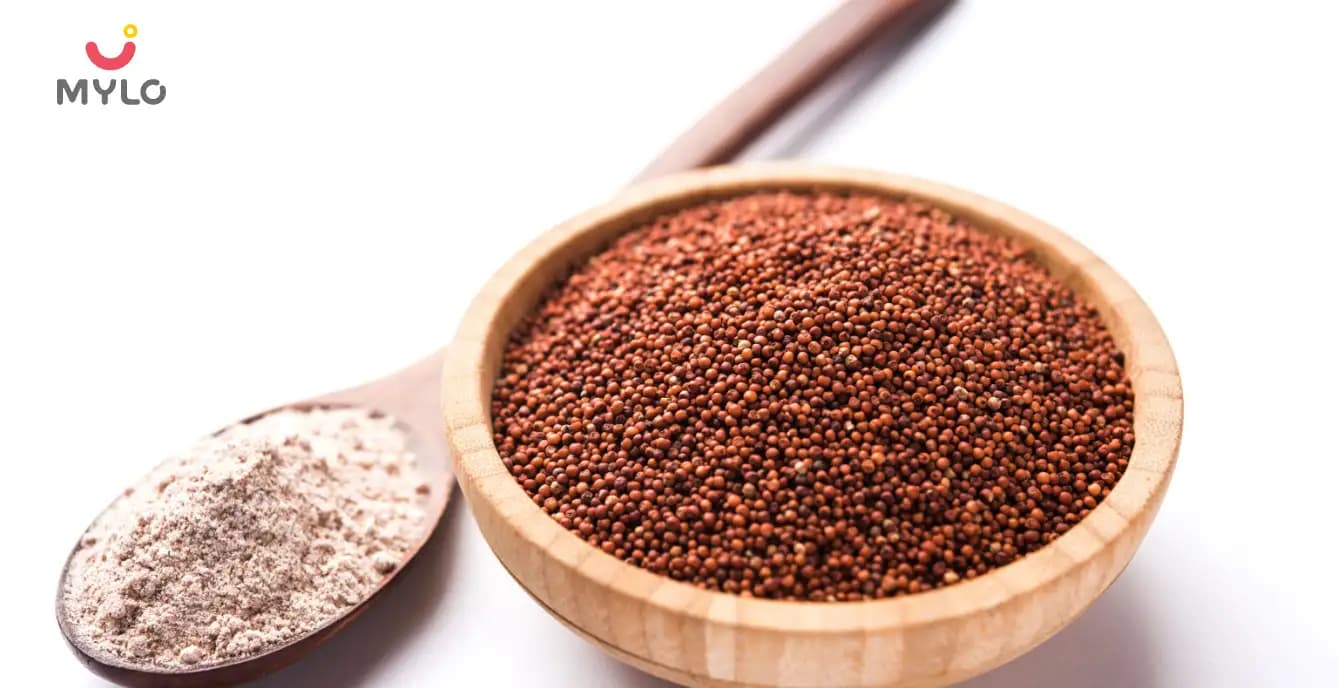
Ragi, also called nachni or finger millet, is an ancient Indian whole grain with a reddish-brown colour, widely grown in Karnataka, Tamil Nadu, and Maharashtra. It's one of the richest plant sources of calcium (344mg per 100g) and iron (3.9mg per 100g), making it a pregnancy superfood recommended by Indian dieticians and grandmothers alike.
Ragi is a popular millet in India and is used for making different types of dishes. This millet resembles mustard seeds and is called finger millet in English. Ragi flour is used to make dosas, idlis, Ragi adai, and porridge. It is an unpolished millet, as it is too tiny to be processed. The high iron and carbohydrate content of ragi makes it an ideal breakfast food for everyone.
You may also like: Benefits of Millets During Pregnancy
Is ragi safe and good to eat during pregnancy?
Yes, ragi is excellent during pregnancy. It delivers calcium for your baby's bone development, iron to prevent pregnancy anaemia (which affects over 50% of Indian mothers), and amino acids like tryptophan that aid sleep. Its high fibre content eases constipation, a common pregnancy complaint, and its low glycaemic index helps manage gestational diabetes.
Yes, it is safe to consume ragi in pregnancy. In fact, ragi is highly recommended for pregnant women due to its numerous health benefits. It is a nutritional superfood for pregnant women and is rich in protein, vitamins, minerals, calcium, iron, natural fats, and other essential nutrients.
Benefits of consuming ragi include cell and tissue repair, boosts energy, and helps in dealing with insomnia. Consuming ragi during one's pregnancy can also helps in milk production, controlling cholesterol levels, and reducing the risk of gestational diabetes.
Despite the many health benefits of ragi, some pregnant women avoid eating it. This is because they believe that eating ragi while they're pregnant may make their baby dark. This is an absurd myth, as there is no scientific proof that ragi affects the baby's complexion. A baby's complexion is purely dependent on the genetic traits they inherit.
What is the nutritional value of ragi per 100 grams?
Per 100g, ragi provides approximately 328 kcal, 7.3g protein, 72g carbohydrates, 3.6g fibre, 344mg calcium (higher than milk), 3.9mg iron, and 137mg magnesium. It's also rich in Vitamin D, B vitamins, phosphorus, and essential amino acids like methionine and tryptophan - nutrients that directly support foetal growth and maternal blood volume expansion during pregnancy.
Ragi is considered a powerhouse ingredient as it is packed with essential nutrients.
-
It has a variety of micro- and macronutrients along with essential vitamins, proteins, iron, and fats.
-
It is an excellent plant-based source of amino acids such as isoleucine and valine.
-
It also has high contents of vitamin C, vitamin E, folic acid, and calcium.
-
It has a high carbohydrate content of around 336 kcal per 100 g.
What are the benefits of eating ragi during pregnancy?
Ragi benefits during pregnancy include stronger bones for mom and baby thanks to 344mg calcium per 100g, reduced anaemia risk from iron content, better digestion and fewer constipation episodes due to fibre, stable blood sugar levels from its low glycaemic index, and improved sleep quality from tryptophan. It also boosts milk production post-delivery.
Ragi's benefits during pregnancy cannot be undermined, as this is an excellent superfood for mom and baby. The high nutritional value of ragi helps provide the necessary energy for the mother and aids in proper fetal development.
The health benefits of ragi in pregnancy include the following:
1. Source of essential nutrients
Ragi is jam-packed with essential vitamins, minerals, fiber, and natural fats. These nutrients are vital for maintaining the health of pregnant women and ensuring proper fetus development.
2. Manages insomnia
Sleeplessness and insomina during pregnancy are common. The amino acids in ragi help pregnant women fight insomnia triggered by pregnancy hormones.
3. Enhances breastmilk production
As ragi is high in amino acids, calcium, and iron, it helps boost breast milk supply. These nutrients make ragi an essential food for pregnant and postpartum moms keen on breastfeeding their babies.
4. Prevents gestational diabetes
Doctors recommend ragi to expectant mothers at a high risk of developing gestational diabetes. This is because ragi has a high content of polyphenols, which helps reduce blood sugar levels naturally.
5. Relieves stress
Pregnant women under much stress or are prone to depression should include ragi in their diet. The amino acids in ragi help to reduce stress levels and depression during pregnancy. Relieving stress is a significant but often overlooked health benefit that ragi provides.
6. Controls cholesterol levels
High cholesterol levels during pregnancy pose a significant risk to both the mother and the unborn child. High cholesterol levels can lead to hypertension and other medical complications. Ragi has good levels of lecithin and methionine, which help keep the mother's cholesterol levels in check.
7. Prevents anemia
Preventing iron deficiency and anemia in pregnancy is critical as it can hamper fetal development. Ragi contains high iron and vitamin C levels that help prevent anemia during pregnancy.
How much ragi should I eat daily during pregnancy?
Indian nutritionists typically recommend 30-50g of ragi flour per day during pregnancy, which translates to 1-2 ragi rotis, a bowl of ragi porridge, or 1 glass of ragi malt. Split intake across meals rather than eating it all at once, and always pair with vitamin C-rich foods like lemon or amla to boost iron absorption.
It is recommended to consume ragi in moderation during pregnancy. It can be eaten in various forms, such as rotis, porridge, adai, dosa, ragi chips, millet noodles, instant upma mix, and ragi balls. It is a nutrient-dense food, and it is generally recommended to eat to 3-4 teaspoonful of ragi flour in a day during pregnancy.
However, pregnant women need to be extra cautious with their diet as it can affect their health adversely. Following the doctor's recommended diet plan is important during pregnancy.
What are the side effects of eating too much ragi during pregnancy?
Excess ragi (over 50g daily) can cause bloating, gas, and constipation due to its high fibre content, and may lead to kidney stones in women prone to oxalate buildup. It can also worsen thyroid issues because of its goitrogen content. Pregnant women with hypothyroidism should limit ragi to 2-3 times weekly and consult their doctor.
Ragi is safe and highly recommended by doctors and elders alike due to its numerous health benefits. However, if you are allergic to ragi, you should avoid consuming it and other food that can cause irritation. Excessive consumption of ragi can lead to bloating, diarrhea, and other digestive issues during pregnancy.
Ragi should also be avoided by pregnant women who have pre-existing medical conditions such as kidney disease or thyroid imbalance. Ragi's high protein content and goitrogenic compounds can further escalate these medical conditions. Pregnant women should consult their doctor before eating ragi to avoid health issues.
What are healthy ragi recipes for pregnant women?
Easy pregnancy-friendly ragi recipes include ragi malt with milk and jaggery (a traditional South Indian drink), ragi dosa with vegetable chutney, ragi roti stuffed with methi or palak, ragi porridge with banana and dates, and ragi ladoo with ghee and dry fruits. Each serving delivers roughly 100-150 kcal plus calcium and iron.
Here are two recipes that are healthy and nutritious options to include ragi in your diet during pregnancy:
1. Ragi Porridge
- In a saucepan, mix 2 tablespoons of ragi flour with a small amount of water to make a smooth paste.
- Add 1 cup of water or milk (dairy or plant-based) to the saucepan and stir well.
- Place the saucepan on medium heat and cook the mixture, stirring continuously, until it thickens and reaches a porridge-like consistency.
- Optional: Add a natural sweetener like jaggery or dates for added taste.
- Serve the ragi porridge warm and enjoy as a nourishing and wholesome snack or breakfast option during pregnancy.
2. Ragi Dosa
- Soak urad dal in water for 4-5 hours. Grind it to a smooth batter.
- In a separate bowl, mix ragi flour, rice flour, and salt.
- Add the urad dal batter to the ragi mixture and mix well. Add water to achieve a dosa batter consistency.
- Heat a tawa or non-stick pan and grease it with oil.
- Pour a ladleful of the batter onto the tawa and spread it in a circular motion to form a thin dosa.
- Drizzle oil around the edges and cook until the dosa turns golden brown.
- Flip the dosa and cook the other side for a minute.
- Serve hot with chutney or sambar.
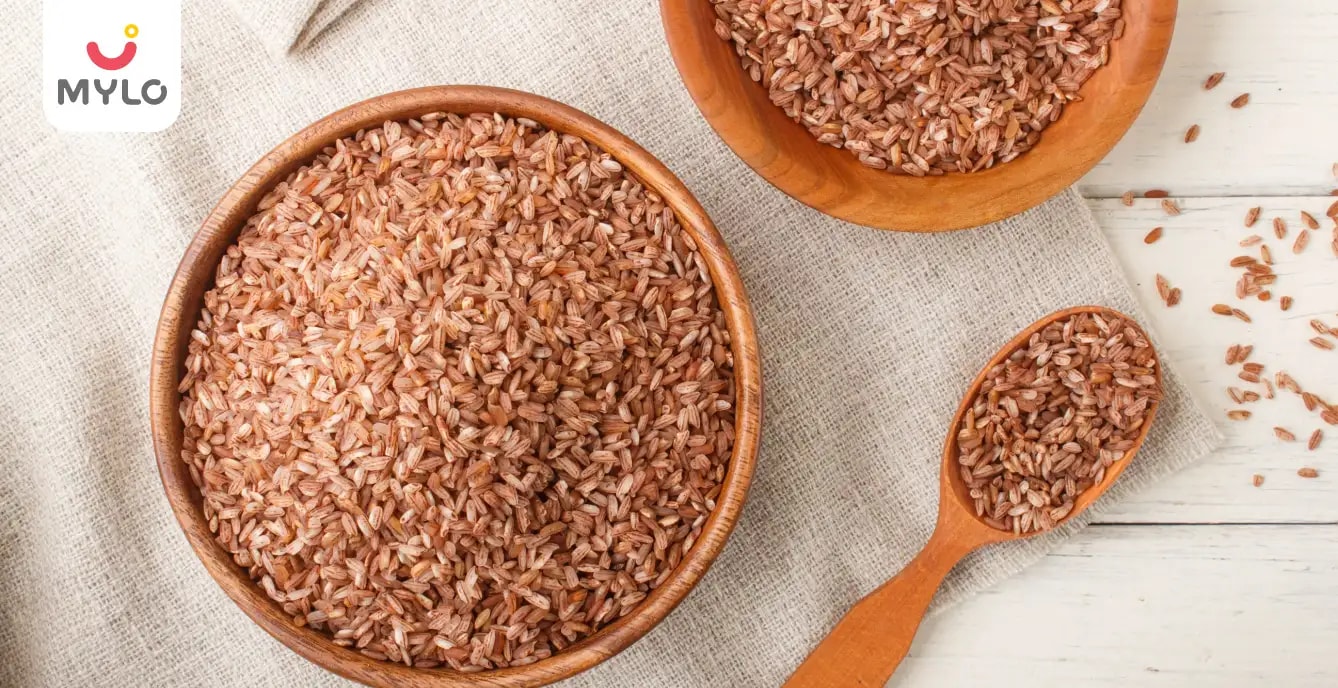
You may also like: Brown Rice During Pregnancy: Benefits & Precautions
Conclusion
In conclusion, ragi is a highly nutritious and beneficial grain that can provide numerous health benefits for pregnant women. It is rich in essential nutrients like calcium, iron, fiber, and protein, which are vital for the healthy development of both the mother and the fetus. The consumption of ragi during pregnancy can help prevent anemia, improve digestion, boost immunity, and regulate blood sugar levels. However, it is important to consult a doctor and ensure that ragi is consumed in moderation and as a part of a balanced diet.
References
1. Kumar A, Metwal M, Kaur S, Gupta AK; et al. (2016). Nutraceutical Value of Finger Millet [Eleusine coracana (L.) Gaertn.], and Their Improvement Using Omics Approaches. Front Plant Sci.
2. Shobana S, Krishnaswamy K, Sudha V; et al. (2013). Finger millet (Ragi, Eleusine coracana L.): a review of its nutritional properties, processing, and plausible health benefits. Adv Food Nutr Res.
Tags
Ragi During Pregnancy in Hindi, Ragi During Pregnancy in Bengali, Ragi During Pregnancy in Tamil, Ragi During Pregnancy in Telugu
Is ragi safe in first trimester?
Yes, ragi is excellent in all trimesters. Highest calcium content among all grains. Helps with bone development.
How much ragi per day during pregnancy?
2-3 servings (ragi roti, porridge, or dosa) per day is safe. Do not exceed as it may cause bloating.
Can ragi help with gestational diabetes?
Yes, ragi has low GI and high fibre. Excellent choice for managing blood sugar in GD. Ragi porridge is ideal.
Is ragi better than wheat during pregnancy?
Ragi has more calcium (344mg vs 34mg), more iron, and is gluten-free. Nutritionally superior to wheat for pregnancy.
Does ragi provide more calcium than milk?
100g ragi has 344mg calcium vs 120mg in 100ml milk. Ragi is the richest plant source of calcium. Essential for lactose-intolerant moms.
Trusted by mamas nourishing two lives
Wholesome nutrition essentials to support your calcium, iron, and energy needs through every trimester of pregnancy.
MamaGro™ Protein Diskettes - 250gm - Vanilla
Supports Healthy Placenta | Supports Fetal Development



Pregnancy Massage Oil + Coconut Oil - 200 ml each


Airprime Premium Diaper Pants S (5–9 kg, 26 Count) + 100% Plant-Based Baby Wipes (Pack of 2)
Rash-free | Paediatrician Tested | Dermatologically Tested | Breathable | Expert Approved | No Harsh Bleaching Chemicals | Super-Saver Combo


Article Posted Under
Related Articles

Related Topics
.webp&w=32&q=75)
Medical Disclaimer
This content is for informational purposes only and should not replace professional medical advice. Consult with a physician or other health care professional if you have any concerns or questions about your health. If you rely on the information provided here, you do so solely at your own risk.


AWARDS AND RECOGNITION

Mylo wins Forbes D2C Disruptor award

Mylo wins The Economic Times Promising Brands 2022
AS SEEN IN













- Mylo Care: Effective and science-backed personal care and wellness solutions for a joyful you.
- Mylo Baby: Science-backed, gentle and effective personal care & hygiene range for your little one.
- Mylo Community: Trusted and empathetic community of 10mn+ parents and experts.


Product Categories
Baby Carrier | Baby Soap | Baby Wipes | Stretch Marks Cream | Baby Cream | Baby Shampoo | Baby Massage Oil | Baby Hair Oil | Stretch Marks Oil | Baby Body Wash | Baby Powder | Baby Lotion | Diaper Rash Cream | Newborn Diapers | Teether | Baby Kajal | Baby Diapers Pants | Cloth Diapers | Laundry Detergent | Lactation Granules |