


Orders
.png&w=48&q=75 "login")
Profile


Wallet

Poha in Pregnancy: Is It Safe? Benefits, Recipes & Morning Sickness Relief
 10 Likes|
 9 min
9 minAI-Generated Summary
Quick overview in 30 seconds.webp&w=32&q=75)
Summary
- Poha is a safe, light, and easy-to-digest Indian breakfast made from flattened rice, suitable throughout all three trimesters of pregnancy.
- Rich in iron, fibre, and complex carbs, poha helps prevent anaemia, controls blood sugar, eases constipation, and gives sustained energy to expecting mothers.
- Thick or red poha is best during pregnancy, and recipes like vegetable poha, dahi poha, and lemon poha offer balanced nutrition with minimal effort.
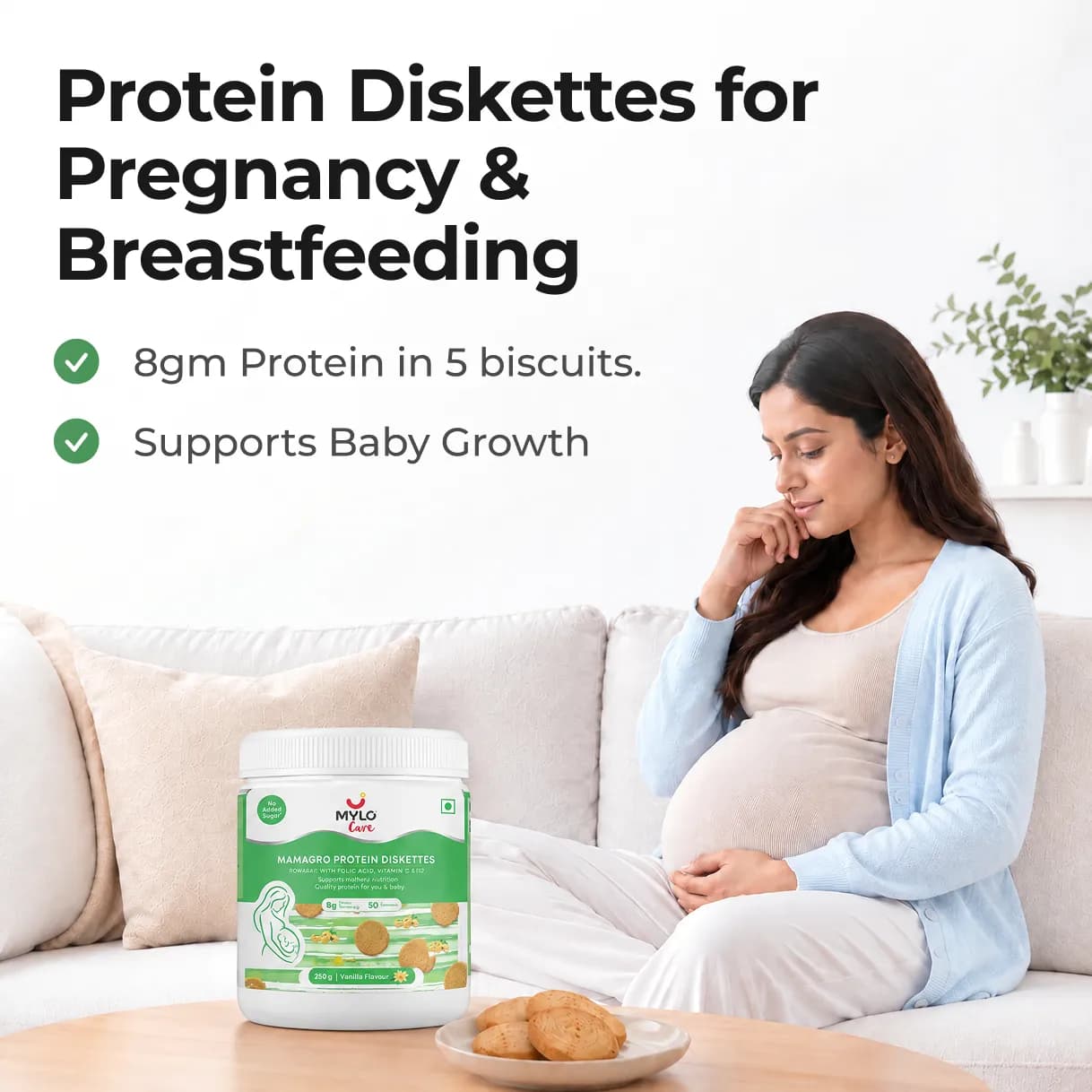
- Looking for nutritional support during your pregnancy journey? Explore our MamaGro™ Protein Diskettes - High Protein & No Added Sugar - 250gm (50 Diskettes).
 4.6
4.6 4.7
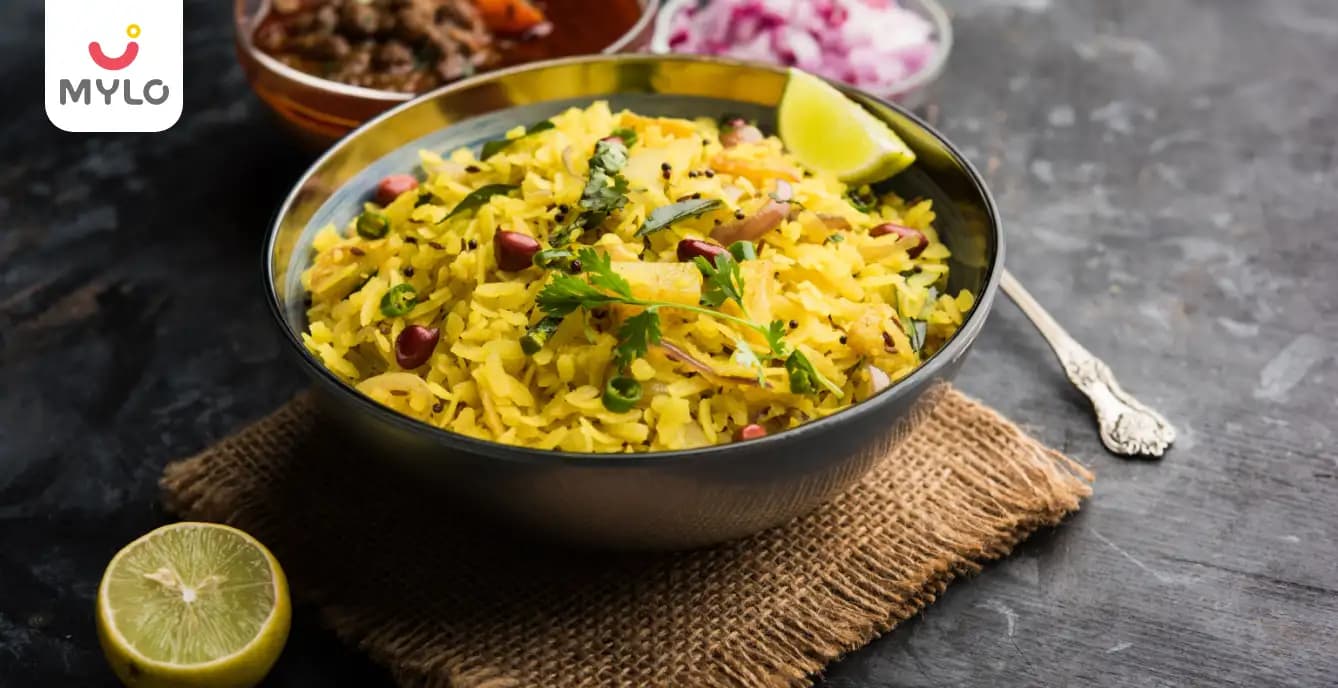
4.7Poha is a dish that is eaten all over India for breakfast and as a snack. Flattened rice flakes or rice that has been beaten are used to make it. Poha in pregnancy can be beneficial for pregnant women as well.
What is poha and what is it made of?
Poha is flattened, parboiled rice - a staple Indian breakfast made from paddy rice that is soaked, roasted, and rolled flat. It comes as thin (patli) or thick (jada) variants. Naturally gluten-free and easy to digest, 100g of dry poha offers around 76g carbs, 7g protein, and 20mg iron - well suited for Indian pregnancies.
Rice that has been crushed or flattened is used to make poha. Raw rice is soaked in water, roasted, and then the husks are taken off. The rice is then put through rollers to make it flat. The rice is then dried and pressed into flat rice flakes.
What are the different types of poha?
Three main varieties: thin poha (patli) used for chivda and laddoos, thick poha (jada) used for Indori and Nagpuri breakfast poha, and red or brown poha made from unpolished rice with higher fibre and iron content. Pregnant women benefit most from thick and red poha since they release sugar slowly and support haemoglobin levels.
1. White Poha
White poha is made from white rice. The high carbohydrate content and ease of digestion make it a popular food choice.
2. Red Poha
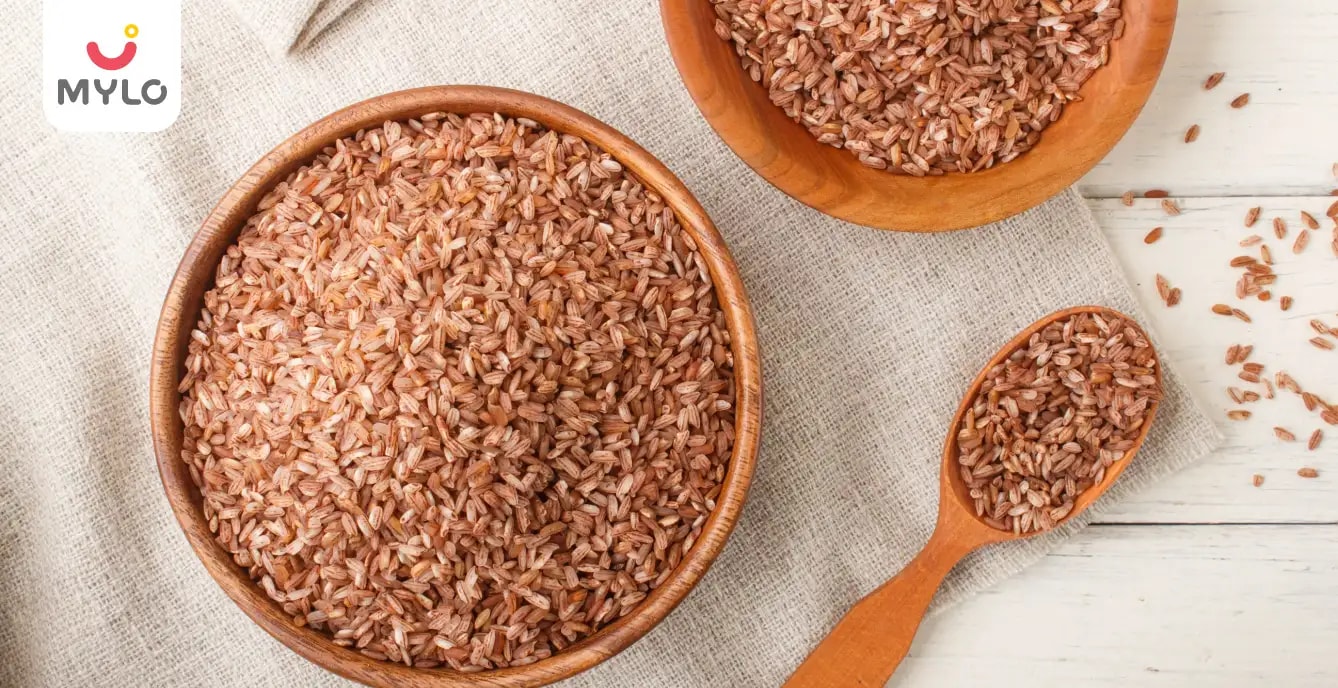
Red rice grains are used to make red poha, which is high in iron and antioxidants. It tastes like nuts and takes more time to cook than white poha.
3. Brown Poha
Brown poha contains iron, potassium, and fibre because it is produced from brown rice.
You may also like : Sabudana in Pregnancy: Nutritional Benefits and Other Advantages
Is poha safe to eat during pregnancy?
Yes, poha is safe and highly recommended throughout all three trimesters. It is light, low in calories (around 180 calories per 50g serving), rich in iron (20mg per 100g - addressing the 50% anaemia rate in Indian pregnancies), and easy on morning sickness. Always rinse well to remove surface dust and cook thoroughly with minimal oil.
Poha in pregnancy is very good and is safe for pregnant women. It is also quickly digested, which makes it great for pregnant women who feel sick and want to throw up.
What are the benefits of eating poha during pregnancy?
Poha supplies 5 key benefits: iron for haemoglobin building, complex carbs (around 76g per 100g) for sustained energy, probiotics from fermentation that aid digestion, fibre for constipation relief, and low glycaemic load helpful for gestational-diabetes moms. Pairing poha with peanuts and curd also adds 10g protein per bowl - ideal for Indian vegetarian diets.
Here are some benefits of eating poha in pregnancy:
1. Controls blood sugar levels
Poha is low in glycemic index and has a lot of fibre. Therefore, it can keep blood sugar levels steady by slowly letting glucose into the blood.
2. Suitable for the intestines
Poha is a good source of probiotics. As it is soaked during preparation, it ferments and keeps good bacteria for our intestines and digestion.
3. Excellent source of carbs
Poha is mainly made up of carbohydrates. Carbs give the pregnant woman’s body the energy it needs to get through the day.
4. Ease of digestion
Poha is easy to digest, so it does not cause acidity.
5. Rich in iron
Poha is rich in minerals including iron, manganese, and zinc, all of which are crucial to a baby's development.
6. Low in Calories
Even though poha is full of nutrients, it is low in calories and can keep a pregnant woman from gaining weight for no reason.
7. It protects against anaemia
The iron in the poha keeps pregnant women from getting anaemia.
8. Beneficial for those who are gluten intolerant
Due to its low gluten content, poha in pregnancy is an excellent option for pregnant women who need to avoid gluten.
You may also like : Healthy Pregnancy Food
Why is poha a healthy breakfast choice during pregnancy?
Poha is light on the stomach, cooks in under 15 minutes, balances 4 food groups (carbs, protein from peanuts, vegetables, and fats from ghee), and stabilises blood sugar. One plate delivers around 250 calories and 6g fibre - enough to curb 10 AM hunger pangs. It is a go-to option in most Indian pregnancy diet charts.
Poha during pregnancy is a healthy food to eat for breakfast and as a snack while pregnant because:
1. Accessibility
Poha is easy to find in any store that sells food.
2. Can be purchased at a reasonable cost
There is a reasonable price range in which one can purchase poha.
3. Easy to make
Poha dishes are easy to make, even for people who aren't great cooks.
4. Adaptability
To make the poha dish more nutritious, add some veggies, soya, hard-boiled eggs, or almonds.
5. Extensive Menu Options
Poha can be used to create a wide variety of tasty meals.
You may also like : Ragi During Pregnancy: Benefits & Nutrition Value
How to choose the best poha during pregnancy?
Pick thick or red poha over thin white poha - the former has 3x more fibre. Buy from a trusted, FSSAI-certified brand, check for a fresh aroma (rancid smell means old stock), and prefer organic or unpolished variants. Always rinse poha twice under running water and soak for 5 minutes to wash off excess starch and dust.
Women who are expecting should prioritise healthy food options. Therefore, a pregnant lady should opt for red or brown poha produced with high-quality organic rice. Pack the poha in a transparent container so that its quality can be judged.
What are healthy poha recipes for pregnancy?
Three pregnancy-friendly recipes: vegetable poha with carrots, peas, and peanuts (250 calories); curd poha with pomegranate and roasted jeera (200 calories, cooling); and ragi-poha upma with moringa leaves (iron-boosting). All take under 20 minutes and pair well with a glass of buttermilk for hydration and calcium, suiting Indian mother routines.
1. Dahi Poha
Ingredients:
1 cup of poha
1 cup of curd
1/2 teaspoon of grated ginger
1/4 teaspoon of green chilli paste
Season with salt to taste
Step-by-Step Procedure
Poha needs to be soaked for 15 minutes to soften. Don't rush this step; give the ingredients 5 minutes to settle after mixing.
2. Lemon Poha
Ingredients:
One Cup of Poha
A cup of boiling potato cubes
1 teaspoon of Mustard seeds
1 teaspoon of cumin seeds
1 teaspoon of urad dal
Juice of one lemon
1 finely chopped green chilli
1 teaspoon of turmeric
Season Water with Salt, as Needed
1 tablespoon of vegetable oil
Step-by-Step Procedure
Make sure to soak the poha for at least 15 minutes. Throw away the liquid. Put some cumin seeds, urad dal, and mustard seeds into some heated oil. Prepare the potatoes and green chillies until they are golden brown. Combine the poha, turmeric, and salt to your liking. Put in the juice of one lemon and stir it in.
3. Sweet Poha
Ingredients
1 cup of soaked poha
One mashed banana
1-2 tablespoons of roasted peanuts
1 to 2 teaspoons of honey
Cashews, pistachios, almonds, or any other nut of choice
Step-by-Step Procedure
After soaking the poha, combine all the ingredients and let it settle for 10 minutes.
You may also like : Brown Rice During Pregnancy: Benefits & Precautions
What are common FAQs about eating poha during pregnancy?
Indian pregnant women commonly ask if poha causes gas (rarely, when undercooked), can be eaten at night (yes, in small portions), is safe in gestational diabetes (yes - red poha), and whether daily poha is fine (3-4 times a week is balanced). Always pair with vegetables and protein, and avoid extra oil or sugar.
1. Is the baby benefitted if the mother eats poha during pregnancy
Poha during pregnancy is not only a nutritious and safe snack for pregnant women, but it also has a low glycemic index and is simple to digest. Pregnant women who suffer from sickness, particularly nausea and vomiting, often find great relief by eating Poha.
2. When is the ideal time to consume poha?
Poha during pregnancy is a versatile food that can be consumed at any moment. However, it's finest consumed first thing in the morning or late at night.
Tags
Poha in pregnancy in Hindi, Poha in pregnancy in Tamil, Poha in pregnancy in Telugu, Poha in Pregnancy in Bengali
Is poha safe in first trimester?
Yes, poha is excellent in first trimester. Light on stomach, helps with morning sickness, and provides iron.
How much poha per day during pregnancy?
1 serving (1 cup cooked) per day is a healthy breakfast or snack. Light and nutritious.
Can poha help with morning sickness?
Yes, poha is bland, light, and easy to digest — perfect for morning sickness. Eat plain poha with minimal spice in first trimester.
Is poha iron-rich for pregnancy?
Flattened rice (poha) contains iron, especially if iron-fortified. Squeeze lemon on poha for better iron absorption (Vitamin C).
Is poha safe with gestational diabetes?
Poha has moderate GI. Add vegetables and peanuts to reduce sugar spike. Avoid sweet poha. One serving with protein is fine for GD.
Trusted by Mamas Nourishing Two With Every Bite
Alongside wholesome meals like poha, the right pregnancy supplements help fill nutritional gaps for you and your growing baby.





Article Posted Under
Related Articles
Brown Rice During Pregnancy: Benefits & Precautions
 1·5 min
 Ragi (Nachni/Finger Millet) in Pregnancy: Benefits, Recipes & How Much
 3·11 min
 Is Tapioca (Sabudana) Safe to Eat During Pregnancy?
 2·8 min
 Muskmelon (Kharbuja, Garma) In Pregnancy: Is It Safe? Daily Limit, Benefits, Side Effects, And A Trimester-By-Trimester Guide For 2026
 3·16 min
Related Topics
.webp&w=32&q=75)
Medical Disclaimer
This content is for informational purposes only and should not replace professional medical advice. Consult with a physician or other health care professional if you have any concerns or questions about your health. If you rely on the information provided here, you do so solely at your own risk.


AWARDS AND RECOGNITION

Mylo wins Forbes D2C Disruptor award

Mylo wins The Economic Times Promising Brands 2022
AS SEEN IN












- Mylo Care: Effective and science-backed personal care and wellness solutions for a joyful you.
- Mylo Baby: Science-backed, gentle and effective personal care & hygiene range for your little one.
- Mylo Community: Trusted and empathetic community of 10mn+ parents and experts.


Product Categories
Baby Carrier | Baby Soap | Baby Wipes | Stretch Marks Cream | Baby Cream | Baby Shampoo | Baby Massage Oil | Baby Hair Oil | Stretch Marks Oil | Baby Body Wash | Baby Powder | Baby Lotion | Diaper Rash Cream | Newborn Diapers | Teether | Baby Kajal | Baby Diapers Pants | Cloth Diapers | Laundry Detergent | Lactation Granules |