


Orders
.png&w=48&q=75 "login")
Profile


Wallet

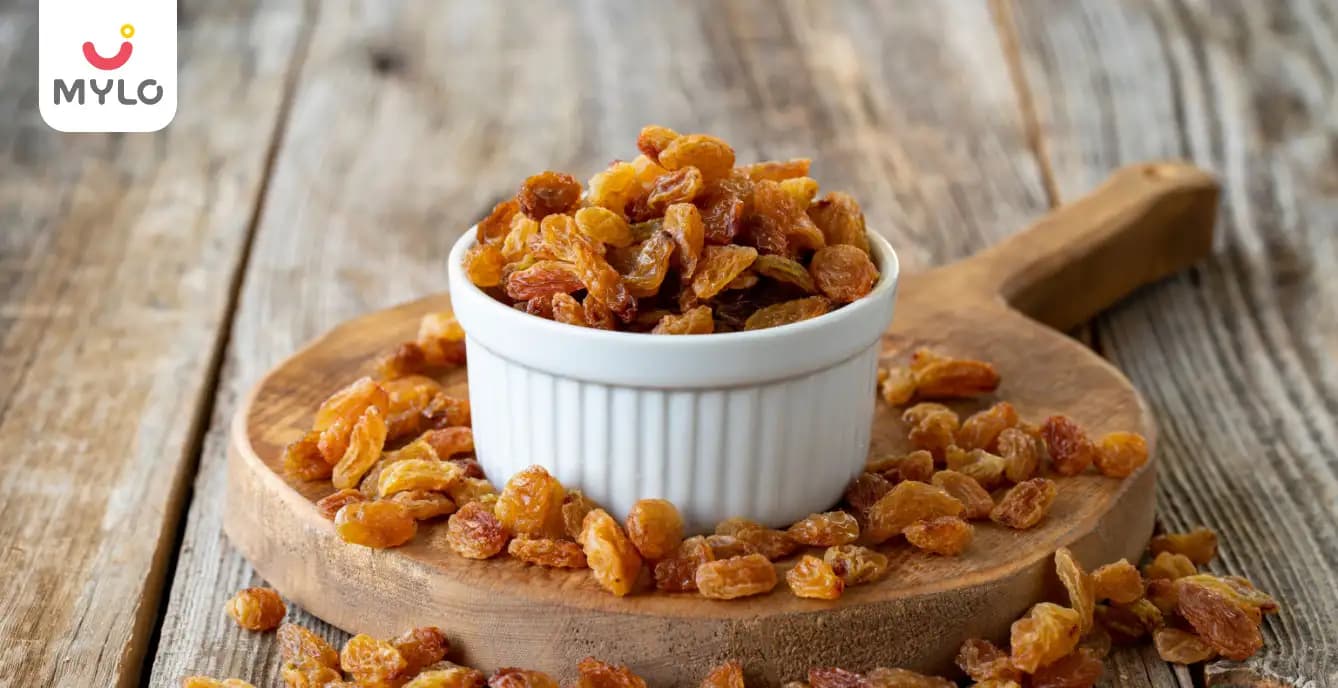
Raisins (Kishmish) in Pregnancy: Is It Safe? Benefits, Risks & How Much


M.Sc in Food & Nutrition, Post Graduation Diploma in Dietetics · 8 years experience
 6 Likes|
 9 min
9 minKey Takeaways
Quick overview in 30 seconds.webp&w=32&q=75)
Summary
- Raisins (kishmish) are safe and beneficial during pregnancy when eaten in moderation - about 8 to 10 pieces a day for energy, iron, and antioxidants.
- Raisins help treat constipation, boost haemoglobin, fight anaemia, provide instant energy against fatigue, and supply calcium for foetal bone growth during pregnancy.
- Overeating raisins can spike blood sugar, cause weight gain, or trigger loose motions; women with gestational diabetes should limit intake to 4-5 pieces daily.
- Looking for trusted prenatal nutrition support during pregnancy? Explore our MamaGro™ Protein Diskettes - High Protein & No Added Sugar - 250gm (50 Diskettes).

 4.6
4.6 4.7
4.7Pregnancy is a crucial period for both the mother and the developing fetus. As such, it is essential to maintain a healthy and balanced diet to ensure proper growth and development. One food item that often comes up for discussion during pregnancy is raisins. Raisins are nutrient-dense and are packed with vitamins and minerals that are beneficial for both the mother and the baby. However, like any other food, there are also risks and side effects associated with the consumption of raisins as they are rich in soluble fibre which may give laxative effect and can create digestive issues during pregnancy.
In this article, we will explore the potential benefits, risks, and side effects of consuming raisins during pregnancy, enabling you to make an informed decision about incorporating them into your diet.
Is it safe to eat raisins during pregnancy?
Yes, raisins (kishmish) are safe and beneficial during pregnancy when eaten in moderation - about 8 to 10 pieces a day. They provide quick energy, natural sugars, iron, and antioxidants. In Indian households, soaking 5-6 raisins overnight and eating them in the morning is a traditional practice used to reduce pregnancy anaemia and constipation.
So, are raisins safe to eat during pregnancy? Yes, they are! Raisins are a healthy, natural food that offers many benefits for pregnant women. Be sure to include them in your pregnancy diet for optimum nutrition and to enjoy all their benefits. It is generally safe to consume raisins during pregnancy, but it is important to eat them in moderation. Eating too many raisins can lead to constipation or other gastrointestinal issues.
What is the nutritional value of raisins during pregnancy?
30g of raisins (about 1 small handful) offer 90 calories, 1g protein, 22g carbs (natural sugars), 1.5g fibre, 0.8mg iron, 250mg potassium, and 20mg calcium - alongside boron and resveratrol antioxidants. They support the extra 350-450 daily calories and 27mg iron requirement during the second and third trimesters of Indian pregnancies.
Raisins are one of the most popular dried fruits around and they offer a range of health benefits, making them a great choice for pregnant women. A 100-gram serving of raisins contains 299-302 calories with 1% fat, 95% carbohydrates, and 4% protein. Raisins are high in sugar and dietary fiber, with 71.4-76.9 g of sugar and 5.8 g of dietary fiber per 100 g. They also contain vitamins and minerals such as calcium, iron, and potassium.
Raisins are a good source of iron, which is essential for the formation of hemoglobin in the blood. They are also rich in fiber, which can help prevent constipation. Additionally, raisins contain antioxidants and phenolic compounds, which may help protect against free radical cells and chronic diseases.
You may also like: What Is The Best Thing For Pregnant Women To Eat?
What are the benefits of eating raisins during pregnancy?
Raisins deliver 6 pregnancy benefits: iron boosts haemoglobin and fights anaemia; fibre eases constipation; potassium controls blood pressure; calcium supports foetal bone growth; natural sugars fight fatigue; and antioxidants protect cells. Soaked raisins also improve bowel movement within 48 hours - a useful remedy for the 40% of Indian pregnant women facing constipation.
Raisins are often thought of as a healthy snack, but did you know that they offer many benefits for pregnant women? Here are some of the top benefits of raisins during pregnancy:
1. Treats constipation
Raisins are high in fiber and contain essential vitamins and minerals, such as iron and potassium. Eating black raisins during pregnancy can help to regulate your digestion, preventing constipation and promoting regularity.
2. Provides antioxidants
Raisins are also a great source of antioxidants and phenolic compounds, which can help to protect your body against radical cells, chronic diseases and boost your immunity.
3. Improves blood cell count
Raisins are a good source of iron and vitamin C, which help to increase blood cell count and lower the risk of anemia during pregnancy.
4. Provides energy
It's common to experience fatigue during pregnancy. Raisins are a good source of energy, so they can help boost your energy levels and combat tiredness during pregnancy.
What are the risks of eating too many raisins during pregnancy?
Overeating raisins (beyond 40g daily) can spike blood sugar, cause weight gain, trigger loose motions, worsen nausea, or push caloric intake too high. Sulphur-dioxide-treated raisins may trigger allergies or asthma. Gestational diabetes patients should limit to 4-5 pieces a day. Always wash raisins thoroughly - Indian store-bought packs often carry surface dust and preservatives.
Women should be cautious when consuming dry grapes during pregnancy. Although raisins are generally safe to eat, there are some risks associated with eating them during pregnancy.
Pregnant women diagnosed with gestational diabetes should avoid raisins as excessive consumption can increase blood sugar levels and the risk of diabetes. Eating too many raisins can lead to weight gain and gestational diabetes. Raisins can also increase the risk of type 2 diabetes in the fetus.
Raisins also contain small amounts of pesticides and other chemicals. While the levels of these chemicals are considered safe for adults, they may be harmful to a developing fetus. Pregnant women should limit their intake of raisins to no more than 1/2 cup per day.
How long can pregnant women safely eat raisins?
Pregnant women can eat raisins throughout all 9 months, but quantity should vary. First trimester: 5-6 soaked raisins to fight fatigue. Second trimester: up to 10 pieces daily for iron and calcium. Third trimester: limit to 8 pieces, as labour approaches and weight control matters. Stop 2 days before delivery if gestational diabetes is present.
It is generally recommended that pregnant women should not consume more than half a cup or a fistful of raisins and dried black grapes during pregnancy per day as it can lead to digestive issues and increased risk of gestational diabetes. Generally, raisins can be consumed all along the pregnancy as snacks however it is better to consult a doctor if the expecting mother is at risk of developing gestational diabetes.
Can pregnant women with gestational diabetes eat raisins?
Women with gestational diabetes should limit raisins to 4-5 pieces (about 10g) per day, eaten with protein such as almonds or curd to slow sugar absorption. Raisins have a glycaemic index of 64 - moderate but can still spike sugar in GDM. Always monitor post-meal glucose and consult your Indian gynaecologist before adding raisins.
Raisins are high in sugar content and hence can contribute to high blood sugar during pregnancy which is not an ideal condition. Hence it is always advised that pregnant women with a risk of gestational diabetes should consult with their doctor before consuming raisins in pregnancy.
You may also like: How to Lower Blood Sugar Levels During Pregnancy?
Are raisins and dry grapes safe during pregnancy?
Both raisins and dry grapes are safe in pregnancy as long as they are washed and consumed in moderation. Avoid raisins with added sugar coating or heavy sulphites. Indian black raisins (kala kishmish) are especially rich in iron, offering about 1mg per 30g serving - a natural boost against the country's 50% pregnancy-anaemia burden.
Yes, consuming raisins and dry grapes during pregnancy is generally considered safe. They are a good source of calcium, antioxidants, and fiber. However, pregnant women at risk of developing gestational diabetes should limit eating raisins or kismis in pregnancy.
Who should avoid eating raisins during pregnancy?
Pregnant women with uncontrolled gestational diabetes, obesity (BMI above 30), chronic loose motions, sulphite allergy, or a history of frequent asthma flares should avoid or minimise raisins. Those with rapid weight gain beyond the recommended 11-15 kg during pregnancy should also limit intake to under 5 pieces daily and pick unsweetened, organic raisins.
Eating black raisins during pregnancy can pose a few risks to the mother and child. For instance, raisins may contain harmful bacteria that can cause food poisoning. Additionally, pregnant women should not consume large quantities of raisins as they are high in sugar and may lead to gestational diabetes. Furthermore, eating too many black raisins during pregnancy can lead to digestive issues such as diarrhea and bloating. It is advised women should consult with their doctor before consuming raisins during pregnancy.
FAQs
Q: Is raisins safe in first trimester?
A: Yes, raisins are safe in all trimesters. Rich in iron and help prevent pregnancy anaemia. Limit to 10-15 per day.
Q: How many raisins per day during pregnancy?
A: 10-15 raisins (about a small handful) per day is safe. They're calorie-dense, so excess may cause weight gain.
Q: Can raisins cause gestational diabetes?
A: Raisins have high natural sugar. In moderate amounts (10-15), they're fine. Limit strictly if you have GD.
Q: Are soaked raisins better during pregnancy?
A: Soaked raisins are easier to digest and release nutrients faster. Soak overnight in water and eat on empty stomach for best results.
Q: Are black raisins good for pregnancy?
A: Yes, black raisins (kali kishmish) are richer in iron than golden raisins. Excellent for preventing anaemia in pregnancy.
References
1. Olmo-Cunillera A, Escobar-Avello D, Pérez AJ, Marhuenda-Muñoz M, Lamuela-Raventós RM, Vallverdú-Queralt A. (2019). Is Eating Raisins Healthy? NCBI
2. Esfahani A, Lam J, Kendall CW. (2014). Acute effects of raisin consumption on glucose and insulin reponses in healthy individuals. J Nutr Sci
Loved by mamas nourishing two lives
Gentle prenatal nutrition support to complement your healthy pregnancy diet and help meet your daily iron and energy needs.






Article Posted Under
Related Articles
Radish During Pregnancy: Benefits, Risks & Safe Consumption Guide (2026)
 17·7 min
 Apricot (Jardalu) in Pregnancy: Benefits, Fresh vs Dried, and Safety
 20·14 min
 Guide: Following A Healthy Diet During Your First Trimester Of Pregnancy
 72·6 min
 Watermelon in Pregnancy: Benefits, Risks & Nutrients
 116·5 min
Medical Disclaimer
This content is for informational purposes only and should not replace professional medical advice. Consult with a physician or other health care professional if you have any concerns or questions about your health. If you rely on the information provided here, you do so solely at your own risk.


AWARDS AND RECOGNITION

Mylo wins Forbes D2C Disruptor award

Mylo wins The Economic Times Promising Brands 2022
AS SEEN IN













- Mylo Care: Effective and science-backed personal care and wellness solutions for a joyful you.
- Mylo Baby: Science-backed, gentle and effective personal care & hygiene range for your little one.
- Mylo Community: Trusted and empathetic community of 10mn+ parents and experts.


Product Categories
Baby Carrier | Baby Soap | Baby Wipes | Stretch Marks Cream | Baby Cream | Baby Shampoo | Baby Massage Oil | Baby Hair Oil | Stretch Marks Oil | Baby Body Wash | Baby Powder | Baby Lotion | Diaper Rash Cream | Newborn Diapers | Teether | Baby Kajal | Baby Diapers Pants | Cloth Diapers | Laundry Detergent | Lactation Granules |