


Orders
.png&w=48&q=75 "login")
Profile


Wallet

Potato (Aloo) in Pregnancy: Is It Safe? Benefits, Risks & How Much to Eat
 3 Likes|
 8 min
8 minAI-Generated Summary
Quick overview in 30 seconds.webp&w=32&q=75)
Summary
- Potatoes are safe and nutritious during pregnancy, offering Vitamin C, B6, potassium, folate, fibre, and complex carbs that support immunity, energy, and baby's neural development.
- Stick to 1-2 medium boiled or baked potatoes daily with skin on, eaten 3-4 times a week, to manage hunger pangs without excess calories or blood sugar spikes.
- Avoid green, sprouted, or raw potatoes containing solanine, and limit fried aloo, French fries, and chips that raise gestational diabetes, blood pressure, and excess weight gain risks.
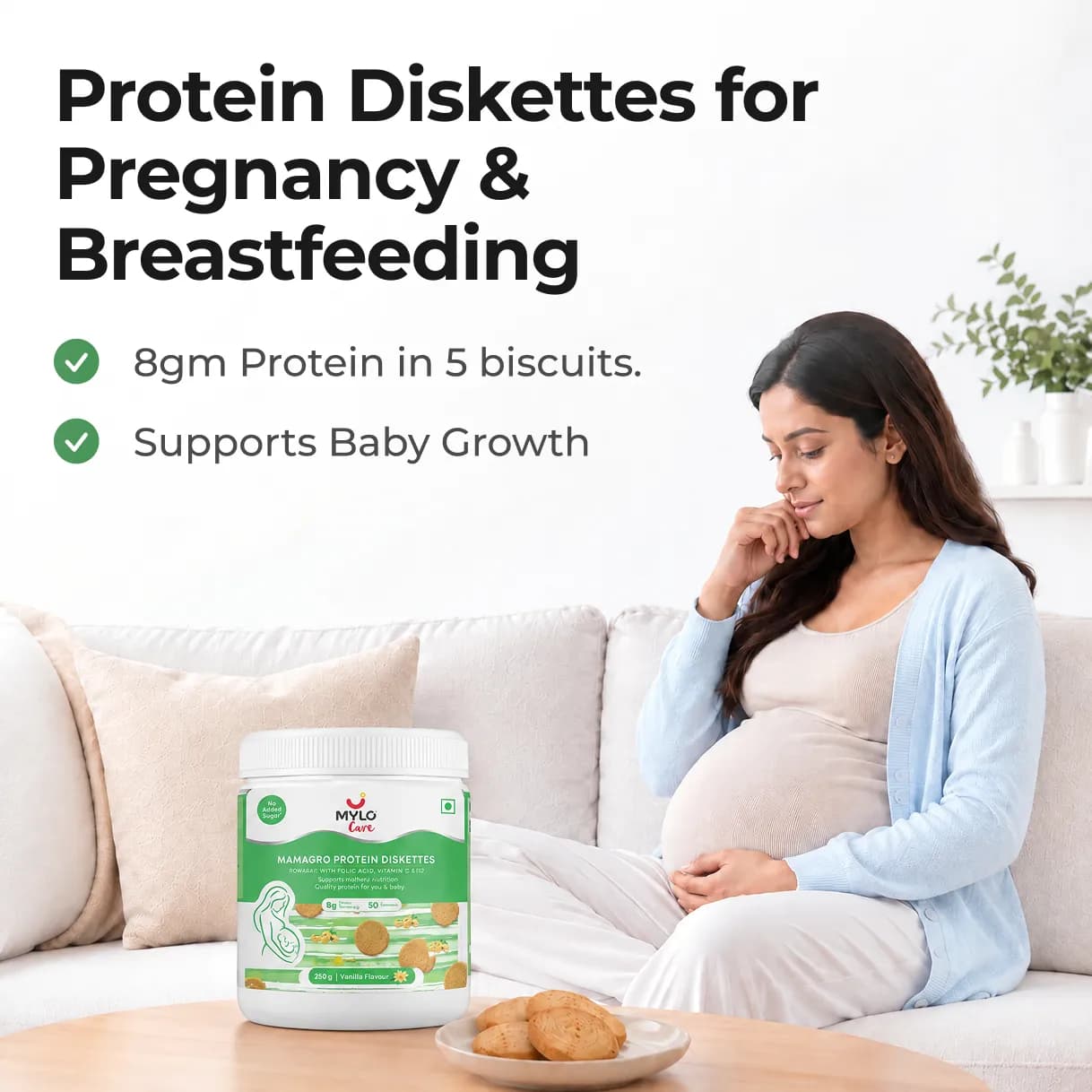
- Looking for healthy pregnancy nutrition support? Explore our MamaGro™ Protein Diskettes - High Protein & No Added Sugar - 250gm (50 Diskettes).
 4.6
4.6 4.7
4.7 4.5
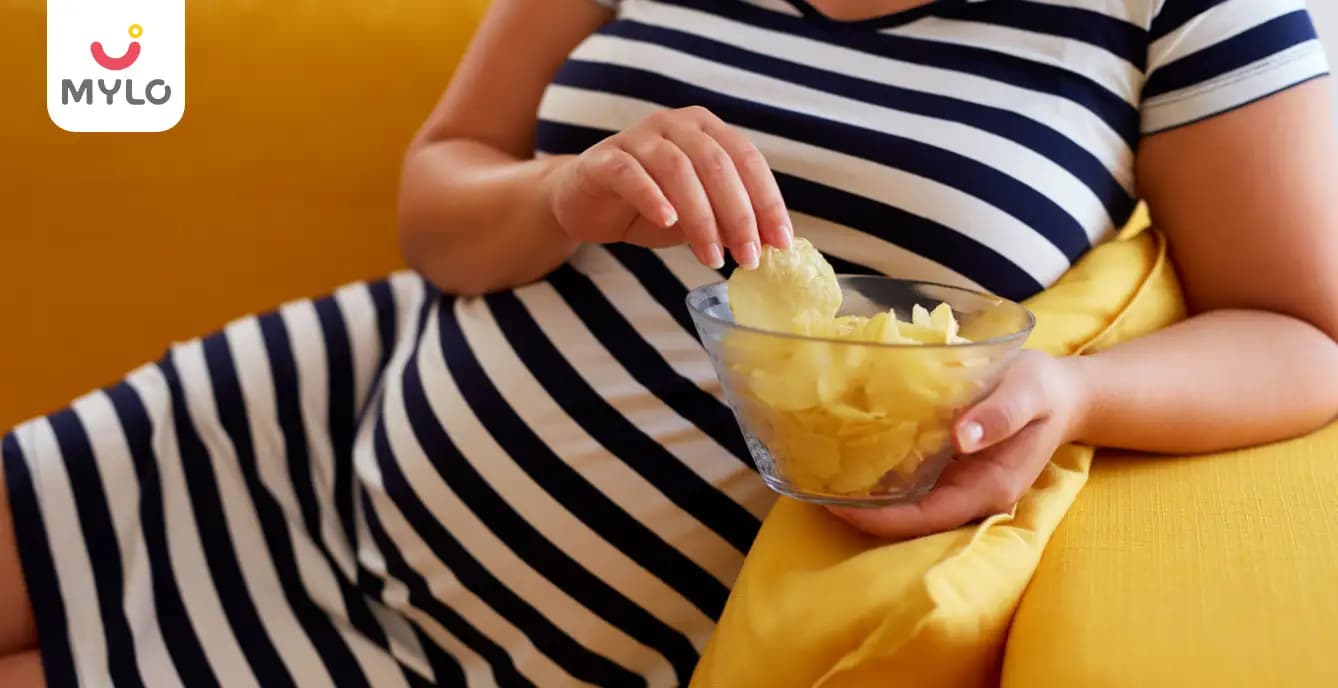
4.5Pregnancy is a joyride where you can have midnight cravings, and your partner is happy to pamper you. Sometimes it's the savory snacks; on other occasions, the ice cream steals your heart. But one thing that most women love to grab a bite of is those potatoes. Let's read till the end to find out the benefits and risks of having potatoes during pregnancy.
What is the nutritional value of potato (aloo) during pregnancy?
One medium potato (150g) provides pregnant women about 130 calories, 3g protein, 2g fibre, 30% daily Vitamin C, 25% Vitamin B6, plus potassium, folate, and iron. With the skin on, potatoes deliver resistant starch that supports gut health, keeps you full longer, and helps manage pregnancy hunger pangs between meals.
Potatoes are a great source of several essential vitamins and minerals. Here's a breakdown of their nutritional value:
-
Carbohydrates: Potatoes are a great source of carbohydrates, with about 37 grams of carbs per 100 grams.
-
Fiber: They're also a good source of dietary fiber, with about 2 grams of fiber per 100 grams.
-
Vitamin C: Potatoes are high in vitamin C, with about 19 milligrams per 100 grams. This is important for immune function, wound healing, and collagen production.
-
Potassium: Potatoes are an excellent source of potassium, with about 421 milligrams per 100 grams. This mineral is essential for regulating blood pressure and maintaining heart health.
-
Vitamin B6: Potatoes are a good source of vitamin B6, with about 0.3 milligrams per 100 grams. This vitamin is essential for brain function and the production of neurotransmitters.
-
Iron: Potatoes contain some iron, with about 0.4 milligrams per 100 grams. Iron is essential for the production of red blood cells.
-
Magnesium: Potatoes are a good source of magnesium, with about 23 milligrams per 100 grams. This mineral is essential for bone health, heart health, and nerve function.
Is it safe to eat potato (aloo) during pregnancy?
Yes, potatoes are safe to eat during pregnancy when cooked properly and consumed in moderation (1 medium potato, 3-4 times a week). Boiled, baked, or steamed aloo is ideal. Avoid green, sprouted, or raw potatoes - they contain solanine, a toxin that can cause nausea and may harm fetal development in large amounts.
Yes, it's generally safe to eat potatoes during pregnancy as long as they're consumed in moderation and prepared correctly. Potatoes can be a healthy and nutritious part of a balanced diet during pregnancy. They're a good source of several essential vitamins and minerals, including vitamin C, potassium, and fiber.
What are the benefits of eating potato during pregnancy?
Potatoes offer pregnant women six key benefits: Vitamin B6 eases morning sickness, Vitamin C boosts immunity and iron absorption, potassium regulates blood pressure, folate supports baby's neural development, fibre prevents constipation, and complex carbs provide steady energy. A boiled aloo with skin is more nutritious than peeled or fried versions.
Potatoes can provide several health benefits during pregnancy, including:
-
Good source of nutrients
-
Regulates blood pressure
-
Boosts immunity
-
Reduces inflammation: Potatoes contain antioxidants that can help reduce inflammation.
-
Helps prevent anemia: Potatoes contain iron, vital for producing red blood cells.
-
Provides energy: Potatoes are a good source of carbohydrates, which provide the body with energy.
What are the risks of eating potato while pregnant?
Risks of potato in pregnancy mainly come from overeating or wrong preparation. Fried potatoes and chips add excess trans fats, salt, and calories, raising gestational diabetes and blood pressure risks. Green or sprouted potatoes contain solanine - avoid them entirely. Eating too many potatoes can also spike blood sugar, especially in moms with gestational diabetes.
While potatoes can provide several health benefits during pregnancy, there are also some potential risks to be aware of:
-
Contamination with harmful bacteria: Potatoes can be contaminated with harmful bacteria like listeria or salmonella, which can be particularly dangerous during pregnancy.
-
High glycemic index: Potatoes have a high glycemic index, which can cause a rapid spike in blood sugar levels. This can be particularly problematic for women with gestational diabetes or those at risk of developing diabetes.
-
Pesticide residue: Conventionally grown potatoes can be treated with pesticides, which can leave behind residue on the skin. To reduce exposure to pesticides, it's recommended to choose organic potatoes whenever possible.
-
Weight gain: Potatoes are a relatively high-calorie food, and consuming too many calories can lead to excessive weight gain during pregnancy.
-
Allergic reactions: While rare, some individuals may be allergic to potatoes.
How do you include potatoes in your diet while pregnant?
There are many ways to include potatoes in your diet during pregnancy. Here are some ideas:
1. Baked potatoes
Baked potatoes are a simple and nutritious way to enjoy potatoes. Wash and scrub a potato, prick it with a fork a few times, and bake in the oven for 45-60 minutes until tender. Serve with toppings like butter, sour cream, chives, or cheese.
2. Mashed potatoes
Mashed potatoes are a comforting and versatile side dish that can be enjoyed in many ways. Boil potatoes until tender, mash with butter and milk, and season with salt and pepper. Try using Greek yogurt or low-fat milk instead of butter for a healthier version.
3. Roasted potatoes
Roasted potatoes are crispy and flavorful and can be seasoned with various herbs and spices.
4. Potato salad
Potato salad is a classic side dish perfect for summer barbecues or picnics. Boil potatoes until tender, then toss with mayonnaise, mustard, diced celery, and onion.
Frequently asked questions about eating potatoes in pregnancy
Indian moms often wonder whether aloo paratha, French fries, or mashed potato are safe in pregnancy, how many potatoes to eat daily, and which cooking method is healthiest. Below are clear, evidence-based answers to the most common questions about including potatoes safely in your pregnancy diet without compromising blood sugar or weight gain.
What happens when you eat too many potatoes during pregnancy?
Eating too many potatoes during pregnancy can have some potential adverse effects, including:
-
Excessive weight gain
-
High blood sugar levels
-
Nutrient imbalance
-
Digestive issues
Are mashed potatoes safe to eat during pregnancy?
Yes, homemade mashed potatoes are safe during pregnancy when prepared with minimal butter, low salt, and low-fat milk. One serving (about 150g) provides energy, potassium, and Vitamin C. Avoid ready-made mashed potato mixes, which contain excess sodium and preservatives. Pair with dal or sabzi for a balanced pregnancy meal that supports baby's growth.
Yes, mashed potatoes are safe to eat during pregnancy as long as they are adequately prepared. Mashed potatoes are made by boiling them until tender and then mashing them with butter, milk, or other seasonings. As long as the potatoes are cooked thoroughly, and the ingredients used in the recipe are safe for consumption during pregnancy, mashed potatoes are a nutritious and delicious addition to a balanced diet.
Are fried potatoes and French fries safe during pregnancy?
No, fried potatoes, French fries, and aloo chips are not recommended during pregnancy. They are high in unhealthy trans fats, sodium (over 400mg per serving), and acrylamide - a compound formed at high temperatures that may harm fetal development. Limit fried aloo to once a week and prefer boiled, baked, or air-fried alternatives instead.
While french fries (fried potatoes) can be a tasty treat, they are not considered the healthiest food choice for pregnant women. French fries are typically high in calories, sodium, and unhealthy fats, and consuming too many can contribute to excessive weight gain and other adverse health outcomes.
Additionally, the frying process used to make french fries can lead to acrylamide, a potentially harmful chemical that forms when certain foods are cooked at high temperatures. While the risk of acrylamide exposure from consuming french fries is relatively low, pregnant women may want to limit their intake to reduce their exposure.
Is potato safe in first trimester?
Yes, potatoes are safe in all trimesters. Good source of energy, Vitamin C, and potassium. Avoid green or sprouted potatoes.
How much potato per day during pregnancy?
1-2 medium potatoes per day is safe. Choose boiled/baked over fried to limit excess calories and GD risk.
Can potato cause gestational diabetes?
Potatoes have high GI, especially fried. Boiled/baked with skin is better. Limit portions if you have GD.
Are green potatoes dangerous during pregnancy?
Yes, green potatoes contain solanine which is toxic. Never eat green or sprouted potatoes. Cut away green parts completely.
Is French fries safe during pregnancy?
Occasional French fries are fine. Regular consumption adds excess oil, salt, and calories. Homemade baked fries are a healthier option.
Trusted Nutrition Companions for Every Expecting Mama
From balanced meals to mindful cravings, gentle prenatal nutrition support helps you nourish baby while feeling your best.
MamaGro™ Protein Diskettes - 250gm - Vanilla
Supports Healthy Placenta | Supports Fetal Development


Pregnancy Massage Oil + Coconut Oil - 200 ml each



Compression Stocking Socks - S
Compression Stockings for Varicose Veins | Reduces Swelling | Boosts Blood Circulation



Article Posted Under
Related Articles

Related Topics
.webp&w=32&q=75)
Medical Disclaimer
This content is for informational purposes only and should not replace professional medical advice. Consult with a physician or other health care professional if you have any concerns or questions about your health. If you rely on the information provided here, you do so solely at your own risk.


AWARDS AND RECOGNITION

Mylo wins Forbes D2C Disruptor award

Mylo wins The Economic Times Promising Brands 2022
AS SEEN IN












- Mylo Care: Effective and science-backed personal care and wellness solutions for a joyful you.
- Mylo Baby: Science-backed, gentle and effective personal care & hygiene range for your little one.
- Mylo Community: Trusted and empathetic community of 10mn+ parents and experts.


Product Categories
Baby Carrier | Baby Soap | Baby Wipes | Stretch Marks Cream | Baby Cream | Baby Shampoo | Baby Massage Oil | Baby Hair Oil | Stretch Marks Oil | Baby Body Wash | Baby Powder | Baby Lotion | Diaper Rash Cream | Newborn Diapers | Teether | Baby Kajal | Baby Diapers Pants | Cloth Diapers | Laundry Detergent | Lactation Granules |