


Orders
.png&w=48&q=75 "login")
Profile


Wallet

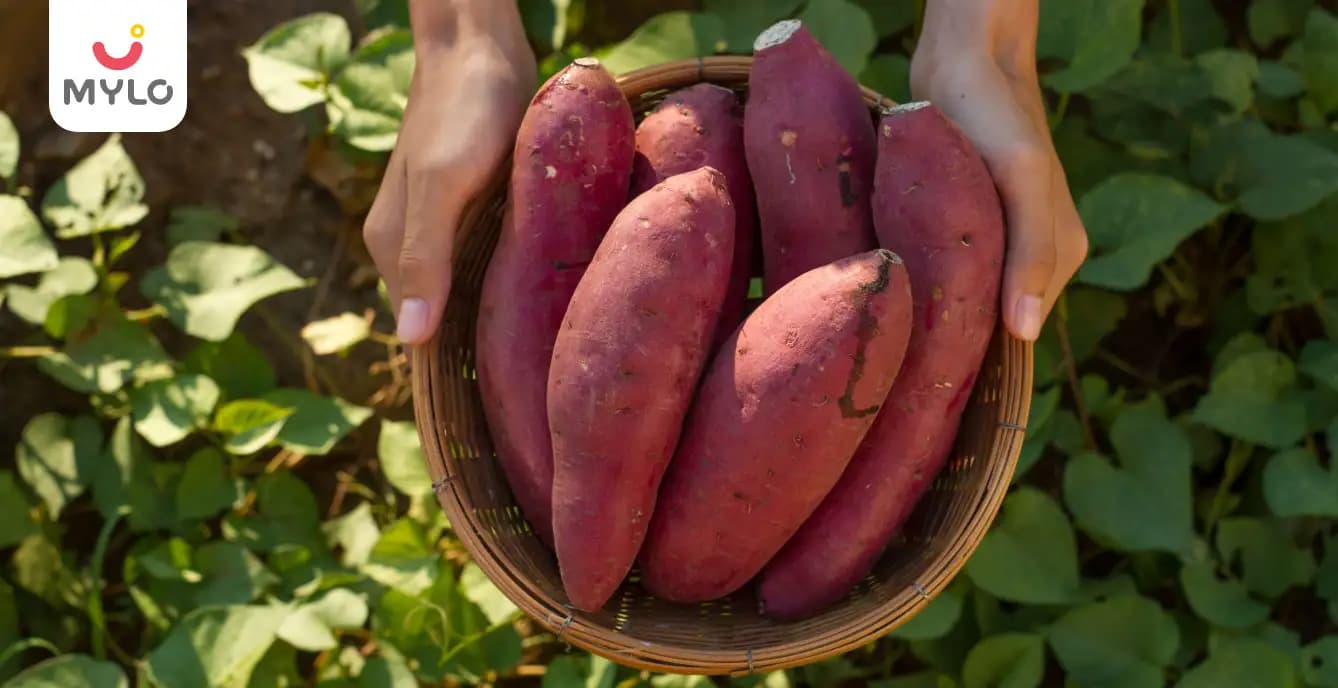
Sweet Potato (Shakarkandi) in Pregnancy: Is It Safe? Benefits & Recipes
 26 Likes|
 9 min
9 minAI-Generated Summary
Quick overview in 30 seconds.webp&w=32&q=75)
Summary
- Sweet potato (shakarkandi) is a safe, nutrient-dense choice during pregnancy, packed with beta-carotene, folate, fibre, Vitamin B6, iron, and potassium for healthy baby development.
- Eating 1 medium sweet potato daily helps prevent constipation, eases morning sickness, stabilises blood sugar, and supports your baby's eye, brain, and skin development across all trimesters.
- Avoid raw or deep-fried sweet potato and limit intake to 1-2 per day to prevent bloating, Vitamin A overload, or blood sugar spikes in gestational diabetes.
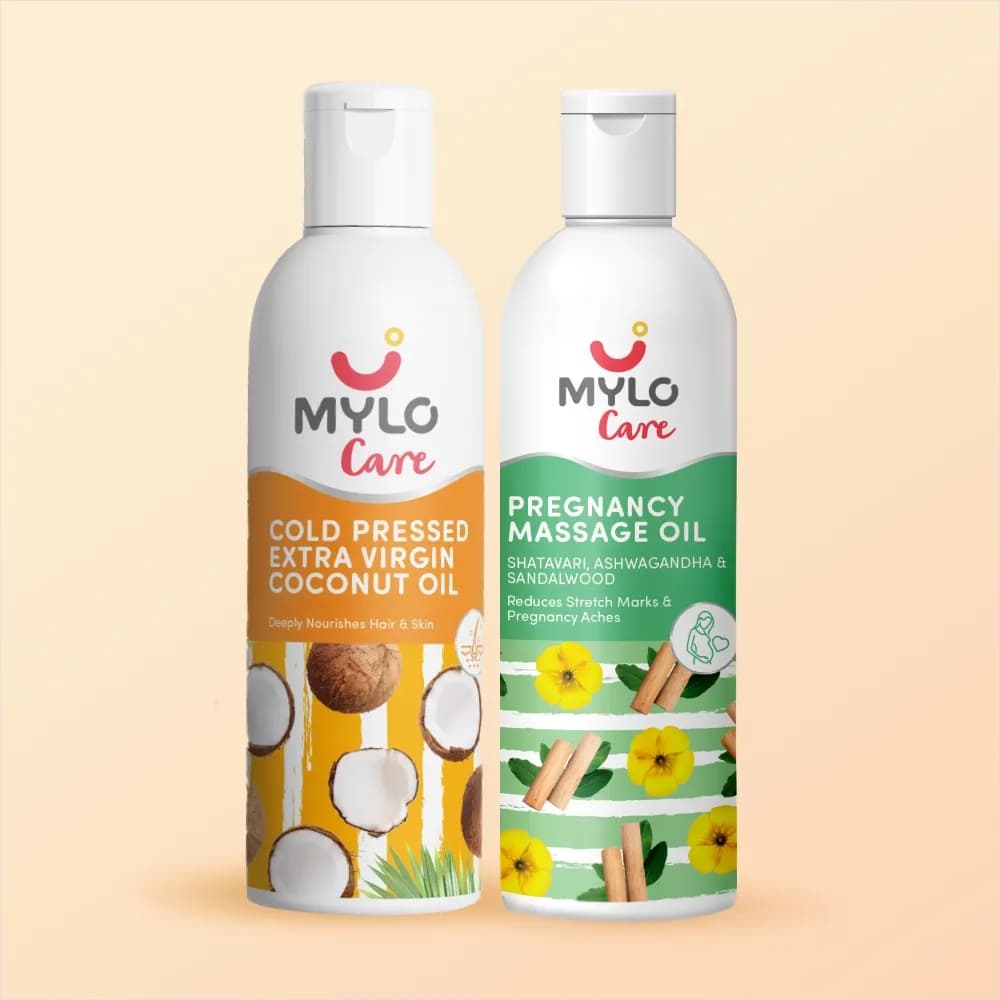
- What else should support your pregnancy nutrition? Explore our Pregnancy Massage Oil + Coconut Oil - 200 ml each.
 4.7
4.7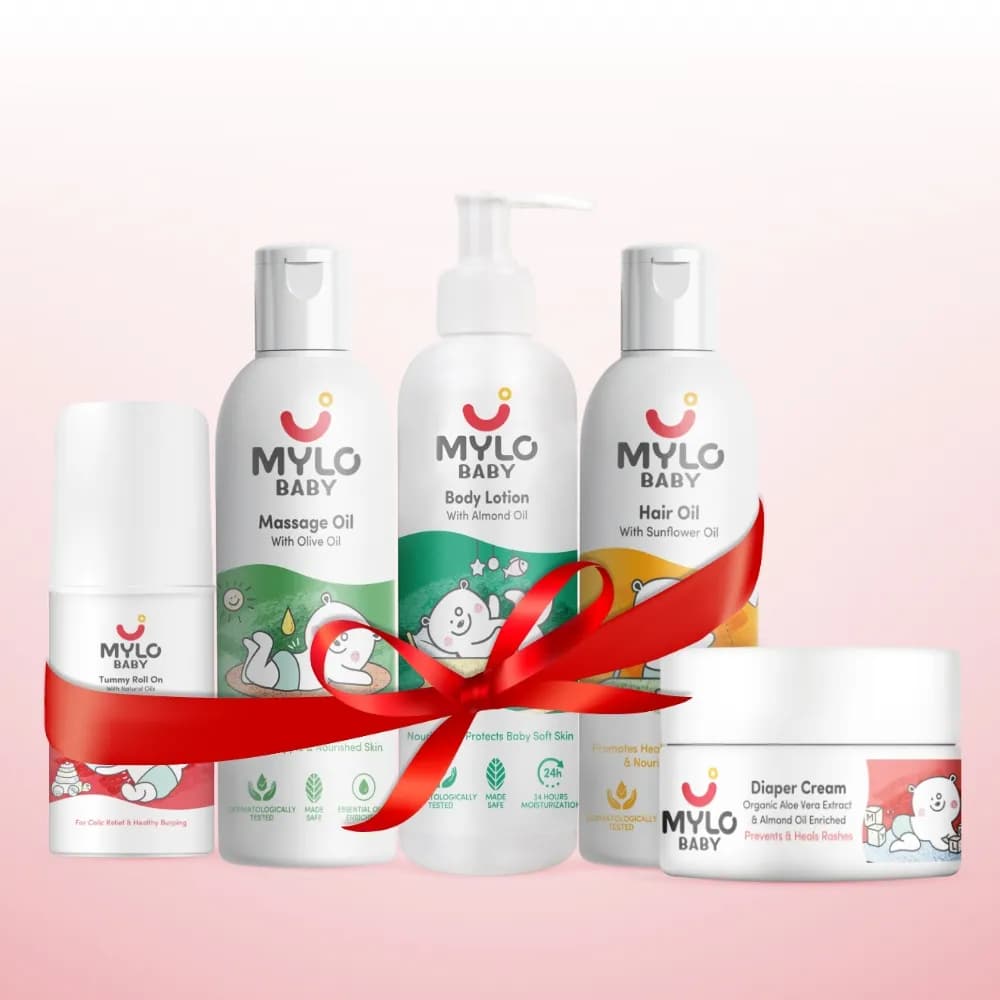 4.2
4.2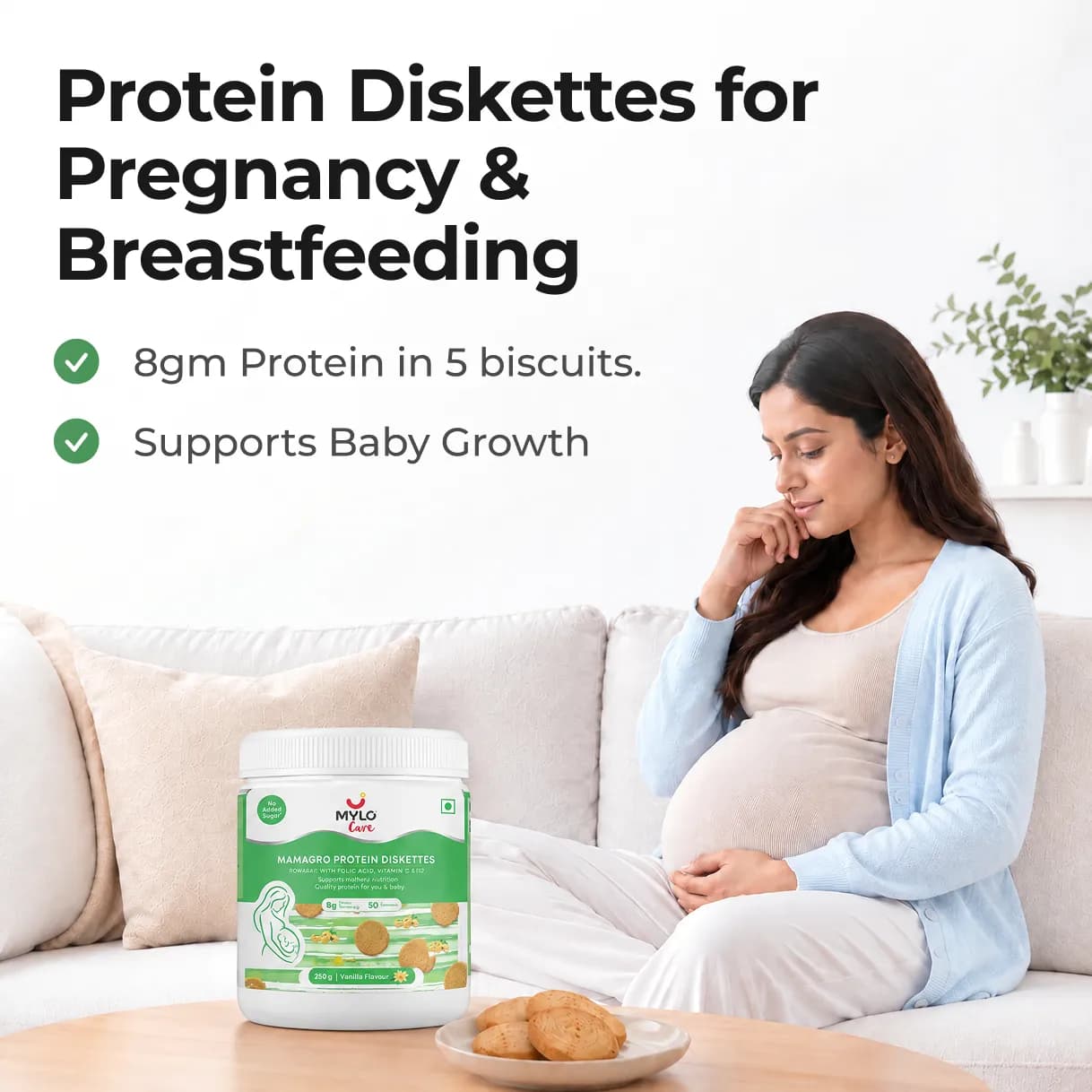 4.6
4.6However, as with any food during pregnancy, it's important to understand both the advantages and potential risks associated with consuming sweet potatoes. In this article, we will explore the incredible benefits of sweet potato during pregnancy, any potential risks or side effects, and provide guidance on how to incorporate them into a healthy diet. So if you’re wondering whether or not you should be eating sweet potato in pregnancy, read on for everything you need to know.
What is the nutritional value of sweet potato (shakarkandi) for pregnant women?
One medium sweet potato (about 130g) gives pregnant women roughly 112 calories, 4g fibre, 438% of the daily Vitamin A requirement, 37% Vitamin C, plus iron, potassium, and folate. This nutrient profile supports baby's eye and brain development, helps fight pregnancy constipation, and stabilises blood sugar through the second and third trimesters.
The importance of eating sweet potato in pregnancy cannot be understated. Sweet potatoes are an excellent source of vitamins and minerals, including beta-carotene, which is converted to vitamin A in the body. Vitamin A is important for the development of the baby’s eyes, skin, and immune system. Sweet potatoes are also a good source of fibre, which can help with constipation, a common problem during pregnancy.
What are the health benefits of eating sweet potato during pregnancy?
Sweet potato (shakarkandi) delivers seven key pregnancy benefits: high beta-carotene for your baby's eye and skin development, folate to prevent neural tube defects, fibre to ease constipation, Vitamin B6 to reduce morning sickness, iron for healthy haemoglobin, potassium to control blood pressure, and slow-release carbs for steady energy throughout the day.
There are countless benefits of sweet potato during pregnancy. Here's what you need to know.
1. Nutrient-dense
Sweet potatoes are an excellent source of nutrients for pregnant women. They are rich in vitamins A, C, and B6, as well as potassium and fibre.
2. Prevent pregnancy-related problems
They can help to prevent constipation, maintain blood sugar levels, and provide the body with important antioxidants.
3. Proper baby development
Sweet potatoes are also a good source of folate, which is essential for the development of the neural tube in the baby's brain and spine.
What are the side effects of eating too much sweet potato in pregnancy?
Eating more than 1-2 sweet potatoes daily during pregnancy can cause side effects like bloating, gas, and stomach discomfort due to high fibre and mannitol content. Excess Vitamin A (over 10,000 IU/day) may harm fetal development, while high oxalate levels can increase kidney stone risk in susceptible moms-to-be.
There are a few side effects that have been associated with eating sweet potatoes during pregnancy. These include an increased risk of gestational diabetes, constipation, and diarrhoea. While these side effects are relatively mild and unlikely to cause serious harm to the mother or child, it is important to be aware of them before consuming sweet potatoes during pregnancy.
Are there any risks of eating sweet potato while pregnant?
Sweet potato is generally safe in pregnancy, but risks appear with overconsumption. Eating over 200g daily can spike blood sugar in gestational diabetes, cause Vitamin A toxicity, or trigger oxalate-related kidney issues. Always wash and peel thoroughly, cook well, and avoid raw sweet potato - it contains trypsin inhibitors that block protein digestion.
Can we eat sweet potato during pregnancy? This is a commonly asked question. Sweet potatoes in pregnancy are generally considered safe to eat. However, there are a few potential risks to be aware off:
1. High oxalate level
One risk is that sweet potatoes may contain high levels of oxalates. These are compounds that can bind to calcium and other minerals in the body, making them unavailable for absorption. This can lead to deficiencies of these important nutrients.
2. High levels of natural pesticide
Another concern is that sweet potatoes may contain high levels of a natural pesticide called solanine. This substance can cause gastrointestinal upset and even nerve damage in high doses. Pregnant women should avoid eating any food that contains high levels of solanine.
You may also like: 7 Excellent Sources of Omega-3 Fatty Acids For Expecting Mothers
Can eating sweet potato cause miscarriage during pregnancy?
No, sweet potato does not cause miscarriage when eaten in normal amounts (1 medium potato, 4-5 times a week). There is no scientific evidence linking shakarkandi to pregnancy loss. However, eating excessive quantities daily may lead to Vitamin A toxicity, which in very high doses has been associated with birth defects - moderation is key.
There is no scientific evidence to suggest that sweet potatoes can lead to miscarriage. However, as with any food, it is important to eat them in moderation. Too much of anything can be harmful, and this includes sweet potatoes. Eating large amounts of sweet potatoes may cause gastrointestinal issues like gas and bloat. These symptoms can be uncomfortable and may even lead to vomiting. If you experience any of these symptoms, it’s best to stop eating sweet potatoes and speak with your doctor.
What is the best way to eat sweet potato during pregnancy?
The healthiest ways to eat sweet potato in pregnancy are boiled, steamed, baked, or roasted - never raw or deep-fried. Try shakarkandi chaat with lemon and chaat masala, mashed sweet potato, sweet potato tikki, or add it to dal and soups. Limit intake to 1 medium potato (about 130g) per serving.
When you're pregnant, you need to make sure you're getting enough nutrients to support both you and your baby. Sweet potatoes are a great option for adding nutrients to your diet. Here's how to eat sweet potato during pregnancy.
You can roast them, bake them, or mash them. You can also add them to soups or stews. Sweet potatoes go well with other foods like chicken, fish, rice, and beans.
Also read: Guide: Following A Healthy Diet During Your First Trimester Of Pregnancy
Frequently asked questions about sweet potato in pregnancy
Here are quick answers to the most common questions Indian moms ask about eating shakarkandi during pregnancy - covering safety, daily limits, trimester-wise consumption, gestational diabetes, and the best cooking methods. Each answer is based on nutritional guidelines and Indian obstetric recommendations to help you include sweet potato safely in your pregnancy diet.
1. Is sweet potato skin healthy during pregnancy?
Sweet potato skin is very healthy for pregnant women. It is a good source of fibre, which can help prevent constipation and other digestive issues common in pregnancy.
2. Is it safe for a pregnant woman to eat fried sweet potatoes?
Fried sweet potatoes are generally safe for pregnant women to eat in moderation. However, it is important to keep in mind that fried foods are generally less healthy than other cooking methods like baking or steaming. Baking or steaming are the best ways to eat sweet potato in pregnancy.
You may also like: Healthy Pregnancy Food
Conclusion
Overall, eating sweet potato during pregnancy is a nutritious and safe choice. It’s rich in vitamins, minerals, and fibre, which can help pregnant women (and their babies) stay healthy. We have covered in this blog important points like how to eat sweet potato during pregnancy and can pregnant women eat sweet potato. It is important to remember that there are some risks and side effects associated with eating sweet potatoes during pregnancy. So be sure to talk to your doctor before adding it to your diet. Visit Mylo family for educational blogs on expecting mothers and newborn babies.
References
1. Girard, A. W., Grant, F., Watkinson, M., Okuku, H. S., Wanjala, R., Cole, D., Levin, C., & Low, J. (2017). Promotion of Orange-Fleshed Sweet Potato Increased Vitamin A Intakes and Reduced the Odds of Low Retinol-Binding Protein among Postpartum Kenyan Women. The Journal of Nutrition, 147(5), 955–963.
2. Jouanne, M., Oddoux, S., Noël, A., & Voisin-Chiret, A. S. (2021). Nutrient Requirements during Pregnancy and Lactation. Nutrients, 13(2), 692.
Tags
Sweet Potato During Pregnancy in Hindi, Sweet Potato During Pregnancy in Tamil, Sweet Potato During Pregnancy in Telugu, Sweet Potato During Pregnancy in Bengali
Is sweet potato safe in first trimester?
Yes, sweet potato is safe and excellent in first trimester. Rich in folate and beta-carotene for fetal development.
How much sweet potato per day during pregnancy?
1 medium sweet potato per day is safe. Rich in Vitamin A — excess is not harmful as it is beta-carotene (plant form).
Can sweet potato cause gestational diabetes?
Sweet potato has medium GI but high fibre. Boiled/baked sweet potato is fine for GD in moderate amounts. Avoid fried.
Is shakarkandi chaat safe during pregnancy?
Yes, shakarkandi chaat is safe and delicious. Use lemon, chaat masala, and avoid street vendor hygiene risks. Make at home.
Sweet potato vs potato — which is better in pregnancy?
Sweet potato has more Vitamin A, fibre, and lower GI. Regular potato has more potassium. Both are safe. Sweet potato is slightly better.
Trusted by mamas nourishing baby through every trimester
Alongside wholesome foods like sweet potato, the right pregnancy supplements help fill nutrition gaps and support your baby's growth.
Pregnancy Massage Oil + Coconut Oil - 200 ml each



Baby Wellness Kit | Skincare Gift Set for Newborns



MamaGro™ Protein Diskettes - 250gm - Vanilla
Supports Healthy Placenta | Supports Fetal Development


Article Posted Under
Related Articles
Related Topics
.webp&w=32&q=75)
Medical Disclaimer
This content is for informational purposes only and should not replace professional medical advice. Consult with a physician or other health care professional if you have any concerns or questions about your health. If you rely on the information provided here, you do so solely at your own risk.


AWARDS AND RECOGNITION

Mylo wins Forbes D2C Disruptor award

Mylo wins The Economic Times Promising Brands 2022
AS SEEN IN












- Mylo Care: Effective and science-backed personal care and wellness solutions for a joyful you.
- Mylo Baby: Science-backed, gentle and effective personal care & hygiene range for your little one.
- Mylo Community: Trusted and empathetic community of 10mn+ parents and experts.


Product Categories
Baby Carrier | Baby Soap | Baby Wipes | Stretch Marks Cream | Baby Cream | Baby Shampoo | Baby Massage Oil | Baby Hair Oil | Stretch Marks Oil | Baby Body Wash | Baby Powder | Baby Lotion | Diaper Rash Cream | Newborn Diapers | Teether | Baby Kajal | Baby Diapers Pants | Cloth Diapers | Laundry Detergent | Lactation Granules |