


Orders
.png&w=48&q=75 "login")
Profile


Wallet

Pregnancy Vitamins and Supplements: What You Actually Need, and What to Avoid

 12 min
Quick Answer
Two supplements are essential in pregnancy: folic acid (400 mcg daily, from before conception to 12 weeks) and vitamin D (10 mcg daily). Most Indian women are also prescribed iron and calcium, and vegetarians usually need vitamin B12. A good diet covers the rest. Some supplements should be actively avoided, above all vitamin A (retinol) and cod liver oil, which can harm your baby. Always take what your doctor prescribes, and check labels before buying anything yourself.
Key Takeaways
Folic acid is non-negotiable. 400 mcg daily from ideally three months before conception through the first 12 weeks prevents neural tube defects like spina bifida (NHS).
Vitamin D is the second essential. 10 mcg (400 IU) daily. Deficiency is very common in India despite the sunshine.
Iron and calcium are usually prescribed too. India's antenatal programme provides iron-folic acid and often calcium free through public health services.
Vegetarians should ask about vitamin B12, which is not in the standard government iron-folic acid tablet and is commonly low in Indian vegetarians.
Avoid vitamin A (retinol) supplements and cod liver oil. Too much vitamin A can harm your baby. Never exceed doses, and be cautious with unregulated herbal or Ayurvedic supplements.
Which Vitamins and Supplements Should I Take in Pregnancy?
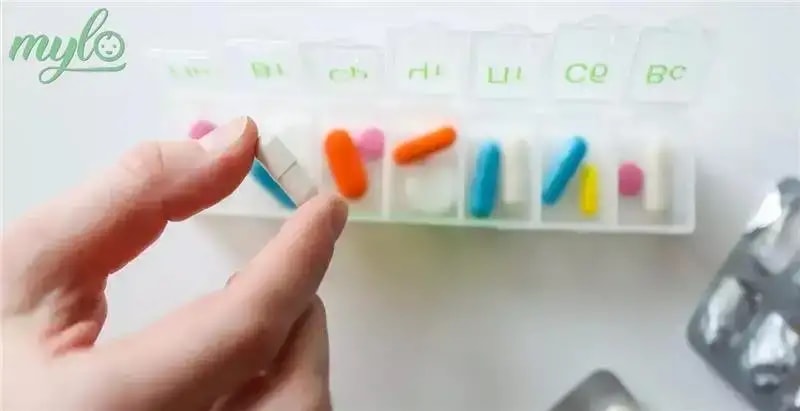
The honest starting point: a healthy, varied diet provides most of what you and your baby need. But two nutrients are genuinely hard to get in the right amount from food alone, and are recommended as supplements for every pregnancy, while others are prescribed based on your blood tests and diet (NHS).
Here is the complete picture in one table. Doses combine NHS guidance and the Indian requirements from ICMR-NIN 2020.
Supplement | Recommended amount | When | Why | Who needs extra attention |
|---|---|---|---|---|
Folic acid | 400 mcg/day (5 mg if high risk) | 3 months before conception to 12 weeks | Prevents neural tube defects (spina bifida) | Higher dose for diabetes, epilepsy or HIV medicines, sickle cell or thalassaemia, or a previous affected pregnancy |
Vitamin D | 10 mcg (400 IU)/day; ICMR-NIN 2020 sets 600 IU | Throughout, especially winter | Baby's bones and teeth, your bone health | Almost everyone in India, due to widespread deficiency |
Iron | Per prescription; ICMR-NIN 2020 pregnancy need ~27 mg/day | From early pregnancy, as advised | Prevents anaemia, supports oxygen supply | Anaemia is very common in Indian pregnancy |
Calcium | ICMR-NIN 2020 ~1,000 mg/day | Usually second trimester onward | Baby's skeleton, protects your bones | Women with low dairy intake |
Vitamin B12 | ICMR-NIN 2020 ~2.45 mcg/day | Throughout | Baby's brain and nervous system | Vegetarians and vegans, who are often deficient |
Iodine | Part of a balanced diet / prenatal | Throughout | Baby's brain development and your thyroid | Usually covered by iodised salt and diet |
(Sources: NHS, Pregnancy vitamins and supplements; ICMR-NIN, Recommended Dietary Allowances for Indians, 2020.)
The two you must not skip are folic acid and vitamin D. Everything else is guided by your doctor, your blood tests and your diet.
Folic Acid: The One That Prevents Neural Tube Defects
Folic acid is the single most important supplement in early pregnancy, and its timing matters as much as the dose.
Take 400 mcg every day, ideally starting three months before you try to conceive, and continuing through the first 12 weeks (NHS).
It reduces the chance of neural tube defects such as spina bifida, and may help prevent cleft lip and palate and some heart conditions.
The baby's neural tube forms in the first few weeks, often before a woman even knows she is pregnant, which is exactly why starting before conception matters.
You may need a higher dose of 5 mg (prescribed by a doctor) if you or your partner has, or has a family history of, a neural tube defect; you have had a previously affected pregnancy; you have diabetes; you have sickle cell disease or thalassaemia; or you take medicine for epilepsy or HIV (NHS). This is common in India given the prevalence of thalassaemia carriers, so mention any of these to your doctor. Read Mylo's guide on when to take folic acid.
Vitamin D: Essential and Commonly Deficient in India
Vitamin D helps your baby's bones and teeth develop, and works with calcium. The recommendation is 10 mcg (400 IU) every day (NHS); ICMR-NIN 2020 sets the Indian pregnancy requirement at 600 IU.
Despite abundant sunshine, vitamin D deficiency is strikingly common in India, because of indoor lifestyles, covering the skin, air pollution and skin tone all reducing how much the body makes. This is why most Indian pregnant women benefit from a supplement year-round, not just in winter. Do not exceed 100 mcg a day, as too much can be harmful. Read more on vitamin D in pregnancy.
Iron: Prescribed, Not Optional, for Most Indian Mothers
Your iron level is checked at your first (booking) appointment and again around 28 weeks (NHS). Iron makes the red blood cells that carry oxygen to you and your baby, and low iron causes anaemia and fatigue.
In India, anaemia in pregnancy is very common, which is why the government's Anaemia Mukt Bharat programme provides iron and folic acid (IFA) tablets routinely through antenatal care. Take your IFA tablet exactly as prescribed. Two practical tips make it work better:
Take it with a vitamin C source (lemon, orange, amla), not with milk or tea, because vitamin C boosts iron absorption and tannins in tea reduce it.
Constipation is a common side effect; more water, fibre and fruit help.
See Mylo's guide to iron and folic acid tablets.
Calcium and Vitamin B12: Often Overlooked
Calcium builds your baby's skeleton and protects your own bones. ICMR-NIN 2020 sets the need at about 1,000 mg/day, and calcium supplements are increasingly part of Indian antenatal care, often given separately from iron (because calcium and iron compete for absorption, they are usually taken at different times of day).
Vitamin B12 is the one most guides miss, and it matters enormously for Indian vegetarians. B12 comes almost entirely from animal foods, deficiency is common in Indian vegetarians and lacto-vegetarians, and crucially it is not included in the standard government iron-folic acid tablet. If you are vegetarian or vegan, specifically ask your doctor about a B12 supplement. See Mylo's guide to a vegetarian diet in pregnancy.
Which Supplements Should I AVOID in Pregnancy?
This section matters as much as what to take, because some supplements are actively harmful.
Avoid | Why |
|---|---|
Vitamin A (retinol) supplements | Too much vitamin A can harm your baby's development. Always check labels (NHS) |
Cod liver oil | High in vitamin A, so avoid it in pregnancy |
High-dose multivitamins not designed for pregnancy | May contain unsafe amounts of vitamin A or other nutrients. Use a pregnancy-specific prenatal instead |
Liver and liver products (food, not a supplement, but related) | Very high in vitamin A |
Excess vitamin D (over 100 mcg/day) | Can be harmful in large amounts |
Unregulated herbal and Ayurvedic supplements | Pregnancy safety is often unproven, and some Ayurvedic products have been found to contain lead, mercury or arsenic at toxic levels (NCCIH). Always tell your doctor what you take |
The safe rule: use a prenatal supplement designed for pregnancy, take what your doctor prescribes, and clear anything else, including herbal and "natural" products, with your doctor first.
Are Supplements Safe in Pregnancy? And Can Diet Replace Them?
Pregnancy-specific supplements taken at the right dose are safe and, for folic acid and vitamin D, actively recommended. The problem is never the pregnancy prenatal; it is high-dose single vitamins, the wrong formulation, or unregulated products.
Can a good diet replace supplements? Mostly, but not for the two essentials. A varied diet gives you most vitamins and minerals, which is why eating well matters. But it is difficult to get enough folic acid from food alone, and hard to make enough vitamin D from sunlight in Indian urban life, which is exactly why these two are supplemented regardless of how well you eat (NHS). See what to eat during pregnancy.
Mylo Parents Asked
"I just found out I am pregnant and have not been taking folic acid. Is it too late?"
Start today. Folic acid is most protective in the first few weeks, but taking it now still matters through the first 12 weeks, and it does no harm to continue beyond that. Do not panic about the days you missed; just begin the 400 mcg daily now and tell your doctor at your first appointment.
"Do I really need vitamin D if I get plenty of sun in India?"
Most likely yes. Vitamin D deficiency is very common in India despite the sunshine, because of indoor time, covered skin, pollution and skin tone. A 10 mcg daily supplement is recommended, and your doctor may test your level. Do not exceed 100 mcg a day.
"My prenatal has vitamin A in it. Is that dangerous?"
It depends on the form and amount. Beta-carotene (the plant form) is generally fine, but preformed vitamin A (retinol) in high doses is the concern. A prenatal designed for pregnancy is formulated to be safe, but avoid separate vitamin A supplements and cod liver oil, and check the label. If unsure, show it to your doctor.
"I am vegetarian. Which extra supplement do I need?"
Vitamin B12 above all. It is the nutrient a vegetarian diet most often lacks, and it is not in the standard government iron-folic acid tablet. Ask your doctor for a B12 supplement, and possibly a test. Your folic acid, vitamin D, iron and calcium plan stays the same.
"Can I just take a multivitamin instead of separate tablets?"
A pregnancy-specific prenatal multivitamin can cover several needs, but it may not have enough iron or calcium for Indian requirements, and doses of these are often prescribed separately. Do not use a general (non-pregnancy) multivitamin, which may contain unsafe vitamin A. Let your doctor decide the combination.
"Are Ayurvedic or herbal supplements safe to add during pregnancy?"
Be cautious. Many have not been tested for pregnancy safety, and some Ayurvedic products have been found to contain heavy metals like lead and mercury. Never add them on your own. Tell your doctor about anything you are taking or considering, including "natural" and traditional products.
"When should I stop taking these supplements?"
Folic acid is specifically for up to 12 weeks, though continuing does no harm. Iron, calcium and vitamin D are usually continued through pregnancy and sometimes into breastfeeding, as advised by your doctor. Follow your prescription rather than stopping on your own.
When To Speak To Your Doctor
Always involve your doctor for:
The right folic acid dose, especially if you have diabetes, thalassaemia, epilepsy or a family history of neural tube defects (you may need the 5 mg dose)
Iron, if you feel very tired, breathless or dizzy, or your blood test shows anaemia
A vitamin B12 plan if you are vegetarian or vegan
Any supplement, herbal remedy or Ayurvedic product you want to add
This article is for information only and does not replace personalised advice from your obstetrician or a registered dietitian who can see your reports.
Bottom Line
In pregnancy, keep it simple and evidence-led: take folic acid and vitamin D as the two essentials, take the iron and calcium your doctor prescribes, and if you are vegetarian, make sure vitamin B12 is on your list. A good, varied diet does most of the rest. Just as important, avoid vitamin A (retinol) supplements and cod liver oil, never exceed doses, and clear any herbal or Ayurvedic product with your doctor first. When in doubt, use a pregnancy-specific prenatal and let your doctor tailor the rest to your reports.
References
All links verified live on 16 September 2026.
Pregnancy vitamins and supplements — NHS, UK (reviewed June 2026). Source for folic acid (400 mcg, 5 mg high-risk groups), vitamin D (10 mcg, 100 mcg upper limit), iron testing, and the vitamin A / cod liver oil warnings.
Recommended Dietary Allowances for Indians, 2020 — ICMR National Institute of Nutrition. Source for the Indian pregnancy requirements for iron, calcium, folate, B12 and vitamin D.
Have a healthy diet in pregnancy — NHS, UK. Diet-first principle.
Ayurvedic Medicine: In Depth — National Center for Complementary and Integrative Health, NIH, USA. Source for heavy-metal contamination risk in some Ayurvedic supplements.
Article Posted Under
Related Articles


Related Topics
.webp&w=32&q=75)
Medical Disclaimer
This content is for informational purposes only and should not replace professional medical advice. Consult with a physician or other health care professional if you have any concerns or questions about your health. If you rely on the information provided here, you do so solely at your own risk.


AWARDS AND RECOGNITION

Mylo wins Forbes D2C Disruptor award

Mylo wins The Economic Times Promising Brands 2022
AS SEEN IN













- Mylo Care: Effective and science-backed personal care and wellness solutions for a joyful you.
- Mylo Baby: Science-backed, gentle and effective personal care & hygiene range for your little one.
- Mylo Community: Trusted and empathetic community of 10mn+ parents and experts.


Product Categories
Baby Carrier | Baby Soap | Baby Wipes | Stretch Marks Cream | Baby Cream | Baby Shampoo | Baby Massage Oil | Baby Hair Oil | Stretch Marks Oil | Baby Body Wash | Baby Powder | Baby Lotion | Diaper Rash Cream | Newborn Diapers | Teether | Baby Kajal | Baby Diapers Pants | Cloth Diapers | Laundry Detergent | Lactation Granules |