


Orders
.png&w=48&q=75 "login")
Profile


Wallet

Red Wine During Pregnancy: Is It Safe? Risks & What Doctors Say
 1 Likes|
 8 min
8 minAI-Generated Summary
Quick overview in 30 seconds.webp&w=32&q=75)
Summary
- Drinking red wine during pregnancy is unsafe because alcohol crosses the placenta into the baby's bloodstream and can harm fetal development at any stage.
- Alcohol consumption during pregnancy raises risks of miscarriage, stillbirth, birth abnormalities, and fetal alcohol spectrum disorder (FASD), which causes lifelong physical and mental issues.
- Fetal alcohol syndrome symptoms include unusual facial features, sleep and feeding issues, hearing or vision problems, learning difficulties, low IQ, and hyperactive behaviour.
- Looking for safer pregnancy nutrition options? Explore our Pregnancy Massage Oil + Coconut Oil - 200 ml each.
 4.4
4.4TL;DR
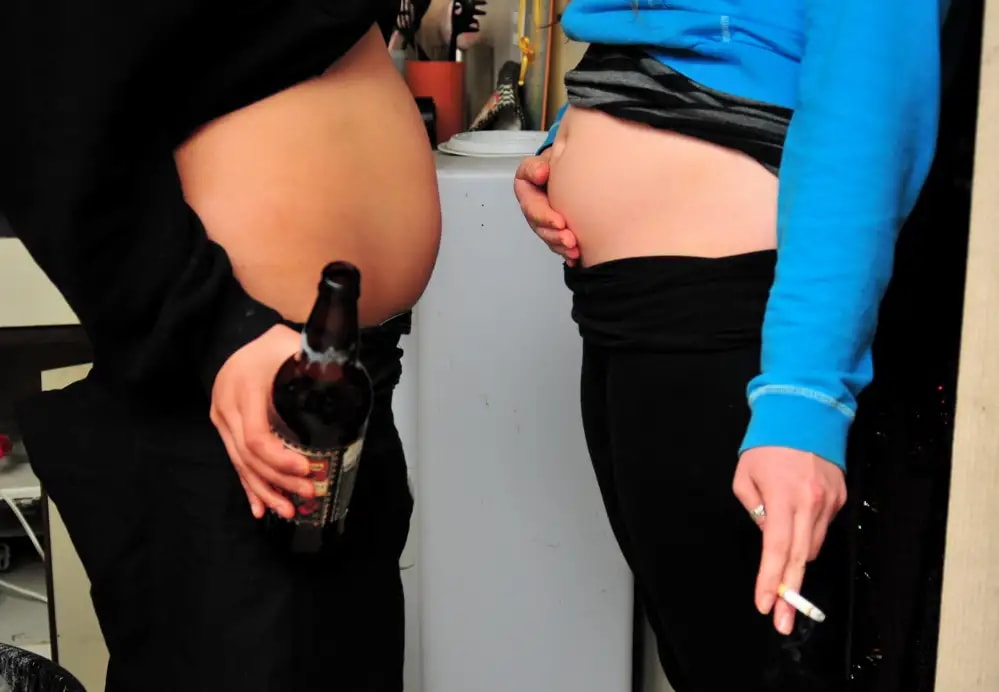
The clear answer from health experts is no, there is no known safe amount or safe type of alcohol in pregnancy, including red wine (CDC) (NHS). Alcohol crosses the placenta into your baby, whose developing body cannot process it, and drinking can raise the risk of miscarriage, stillbirth, birth defects and Fetal Alcohol Spectrum Disorder (FASD), a lifelong condition with no cure. Because no "safe limit" has ever been established, the safest choice is to avoid all alcohol while pregnant or trying to conceive. If you drank a little before you knew you were pregnant, try not to panic, stop now and speak to your doctor, who will guide and monitor you.
Quick Answer
No, pregnant women should not drink red wine or any alcohol. There is no amount and no type of alcohol proven safe in pregnancy. Alcohol passes through the placenta to your baby and can cause miscarriage, stillbirth, birth defects and lifelong problems grouped as Fetal Alcohol Spectrum Disorder (FASD). The safest approach, recommended by the CDC, NHS, ACOG and Indian guidelines, is to avoid alcohol completely from the time you are trying to conceive. If you drank before realising you were pregnant, stop now and tell your doctor rather than worrying alone.
Author: Mylo Editorial Team, Mylo Parenting Desk Medically reviewed by: Mylo Editorial Board, aligned with CDC, NHS, ACOG and FOGSI guidance Last updated: 8 July 2026
Medical Disclaimer: This article is for informational purposes only and is not a substitute for professional medical advice. If you are pregnant and have been drinking alcohol, or are struggling to stop, please talk to your doctor without judgement, support is available and early help protects you and your baby.
Key Takeaways
- There is NO known safe amount or type of alcohol in pregnancy, including red wine (NHS)
- Alcohol crosses the placenta; your baby's body cannot process it the way you can
- Drinking raises the risk of miscarriage, stillbirth, birth defects and FASD (CDC)
- FASD is lifelong and has no cure, but it is completely preventable by not drinking
- The "health benefits of red wine" do not apply in pregnancy, the alcohol outweighs any antioxidant
- Avoid alcohol from the time you start trying to conceive
- If you drank before you knew, do not panic, stop now and tell your doctor
Is It Safe to Drink Red Wine During Pregnancy?
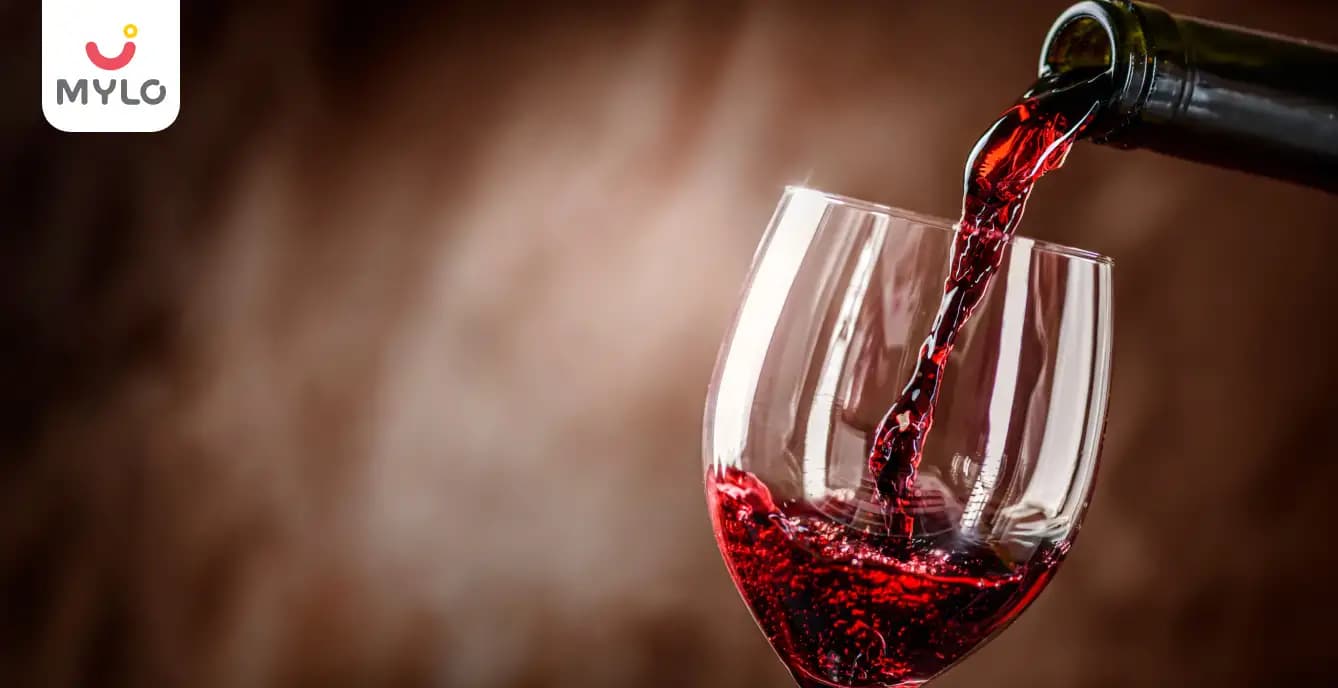
No. Every major health agency, including the CDC, NHS and ACOG, advises that no amount of alcohol is safe at any stage of pregnancy (CDC). Red wine is sometimes called "heart healthy" for its antioxidants, but in pregnancy that does not apply, because the risk from the alcohol far outweighs any benefit from the antioxidants, which you can get safely from grapes, berries and other foods instead.
When you drink, alcohol passes through the placenta into your baby's bloodstream. A developing baby cannot break down or remove alcohol the way an adult can, so it stays in their system longer and can interfere with growth and brain development.
How Alcohol Affects Your Baby
Alcohol reaches your baby through the placenta and umbilical cord. Because the baby's body cannot metabolise it, alcohol can:
- Build up to a higher concentration in the baby than in the mother
- Block the oxygen and nutrients the baby needs to grow
- Harm the development of the brain and other organs
- Increase the risk of miscarriage, stillbirth and birth defects
These risks are why doctors advise avoiding alcohol entirely, rather than trying to judge a "small" amount.
What Is Fetal Alcohol Spectrum Disorder (FASD)?
Fetal Alcohol Spectrum Disorder (FASD) is the umbrella term for a range of physical, behavioural and learning problems caused by alcohol exposure in the womb. These effects can be mild or severe, last a lifetime, and cannot be cured, but they are entirely preventable by not drinking (CDC).
The most severe form is Fetal Alcohol Syndrome (FAS). Babies with FAS may have:
- Distinctive facial features, such as a smooth ridge between the nose and upper lip and a smaller head
- Lower birth weight and shorter height than other babies their age
- Feeding and sleep difficulties as infants
- Vision or hearing problems
- Heart and kidney problems
- Learning difficulties, memory and concentration problems, and a lower IQ
- Delayed speech, hyperactivity and difficulty with decision-making
FAS is most often linked to heavy or binge drinking, but because no safe threshold is known, even smaller amounts carry risk.
Will One Glass of Wine Hurt My Baby?
There is no proven "safe" single glass. Because every pregnancy and baby is different, the effect of any one drink cannot be predicted, so it is a risk best not taken. One 2017 review found that about 1 in 13 women who drank during pregnancy had a baby with some feature of FASD.
The honest, reassuring truth is this: the more alcohol and the more often, the higher the risk, so the single most protective thing you can do is simply not drink. This is fully within your control.
I Drank Before I Knew I Was Pregnant, What Should I Do?
This is one of the most common worries, and the most important message is: do not panic or blame yourself. Many women drink a little before they realise they are pregnant. What matters now is:
- Stop drinking any alcohol from now on
- Tell your doctor honestly, so they can reassure you and keep an eye on your pregnancy
- Focus on healthy habits going forward: good nutrition, your prescribed supplements and regular antenatal check-ups
Your doctor is there to support, not judge you, and stopping now is the best thing you can do for your baby.
Indian Context
In India, alcohol in pregnancy is sometimes downplayed, or a "small glass at a celebration" is considered harmless. It is not. The safe amount is zero. Social pressure at weddings and festivals can make this hard, so it helps to have a plan: hold a glass of juice, nimbu paani or a mocktail, and let close family know you are not drinking. If you feel you cannot stop drinking, this is a medical issue, not a moral failing, and your doctor can help you get support confidentially.
Myths vs Facts
| Myth | Fact |
|---|---|
| A little red wine is fine, even good, in pregnancy | No amount is proven safe; the alcohol outweighs any antioxidant benefit |
| Only heavy drinking causes FASD | FASD risk exists at lower amounts too; there is no known safe threshold |
| Red wine is safer than other alcohol | All alcohol carries the same risk in pregnancy |
| One drink before you knew ruins everything | Many women drink before they know; stop now and tell your doctor, do not panic |
Frequently Asked Questions
Kya pregnancy mein thodi si red wine peena safe hai? (Hinglish)
Nahin. Pregnancy mein kisi bhi maatra ya type ki alcohol safe nahin hai, red wine bhi nahin. Alcohol placenta ke through baby tak pahunchti hai aur uske development ko nuksan pahuncha sakti hai. Sabse safe cheez hai bilkul na peena.
Pregnancy pata chalne se pehle wine pi li thi, ab kya karun? (Hinglish)
Ghabrayein nahin, khud ko dosh na dein. Bahut si mahilaayein pregnancy pata chalne se pehle thodi alcohol le leti hain. Ab se alcohol bilkul band kar dein, apne doctor ko sach batayein taaki wo aapko guide aur monitor kar sakein, aur healthy diet aur check-ups par dhyan dein.
Are the antioxidants in red wine good during pregnancy?
The antioxidants themselves are healthy, but in wine they come with alcohol, which is harmful in pregnancy. You can get the same antioxidants safely from grapes, berries and other fruits and vegetables.
Is there any trimester when alcohol is safe?
No. Alcohol can harm the baby in every trimester, including very early, so it should be avoided throughout pregnancy and while trying to conceive.
Can FASD be cured or treated?
FASD cannot be cured, and its effects are lifelong. Early support and therapies can help a child, but the only way to prevent FASD completely is to avoid alcohol in pregnancy.
References
- Centers for Disease Control and Prevention (CDC). About Fetal Alcohol Spectrum Disorders (FASDs). www.cdc.gov
- NHS. Drinking alcohol while pregnant. www.nhs.uk
- Armstrong EM. (2017). Making Sense of Advice About Drinking During Pregnancy: Does Evidence Even Matter? Journal of Perinatal Education / NCBI. pmc.ncbi.nlm.nih.gov
Trusted by mamas choosing safer pregnancy nourishment
Skip the alcohol and embrace gentle, doctor-approved prenatal essentials that nourish you and protect your growing baby every day.



Article Posted Under
Related Articles

Related Topics
.webp&w=32&q=75)
Medical Disclaimer
This content is for informational purposes only and should not replace professional medical advice. Consult with a physician or other health care professional if you have any concerns or questions about your health. If you rely on the information provided here, you do so solely at your own risk.


AWARDS AND RECOGNITION

Mylo wins Forbes D2C Disruptor award

Mylo wins The Economic Times Promising Brands 2022
AS SEEN IN












- Mylo Care: Effective and science-backed personal care and wellness solutions for a joyful you.
- Mylo Baby: Science-backed, gentle and effective personal care & hygiene range for your little one.
- Mylo Community: Trusted and empathetic community of 10mn+ parents and experts.


Product Categories
Baby Carrier | Baby Soap | Baby Wipes | Stretch Marks Cream | Baby Cream | Baby Shampoo | Baby Massage Oil | Baby Hair Oil | Stretch Marks Oil | Baby Body Wash | Baby Powder | Baby Lotion | Diaper Rash Cream | Newborn Diapers | Teether | Baby Kajal | Baby Diapers Pants | Cloth Diapers | Laundry Detergent | Lactation Granules |