


Orders
.png&w=48&q=75 "login")
Profile


Wallet

PCOS Ultrasound: What to Expect During the Procedure
.webp&w=96&q=75)

MBBS, MS (OBS & Gynae) · 4 years experience
 7 min
7 minKey Takeaways
Quick overview in 30 seconds.webp&w=32&q=75)
Summary
- A PCOS ultrasound is a non-invasive diagnostic tool that helps doctors visualize the ovaries to identify cysts, follicles, and other abnormalities linked to Polycystic Ovary Syndrome.
- The best time to schedule a PCOS ultrasound is between days 5 and 10 of your menstrual cycle, when hormonal fluctuations are less likely to affect results.
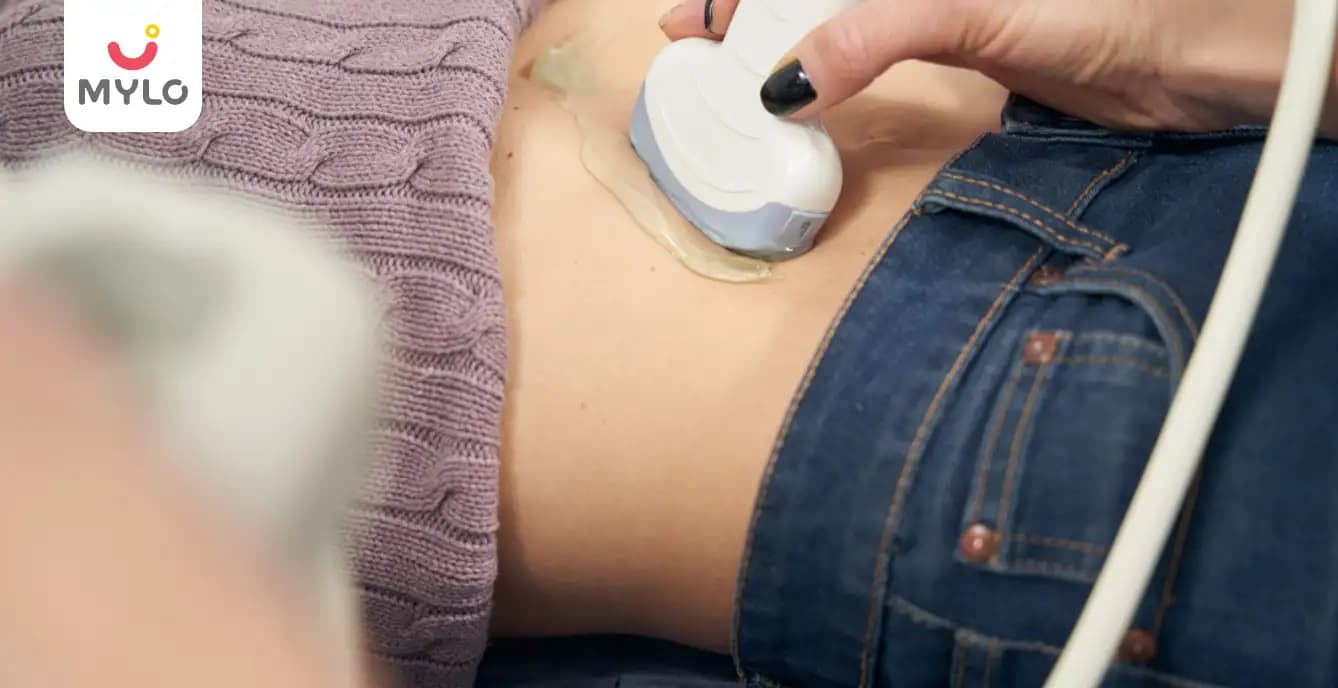
- During the procedure, a technician applies gel and uses a transducer over your abdomen, or sometimes a transvaginal probe, to capture detailed images of your ovaries.
- Looking for gentle support to manage PCOS symptoms? Explore our MamaGro™ Protein Diskettes - High Protein & No Added Sugar - 250gm (50 Diskettes).

 4.6
4.6 4.4
4.4 4.2
4.2Polycystic Ovary Syndrome (PCOS) is a common hormonal disorder that affects many women worldwide. One of the diagnostic tools used to identify PCOS is a PCOS ultrasound. This non-invasive procedure allows doctors to visualize the ovaries and assess any abnormalities. If you're scheduled for an ultrasound, it's natural to have questions and concerns about what to expect during the procedure.
Who needs a PCOS ultrasound scan?
A PCOS ultrasound scan is typically recommended for women who exhibit symptoms of PCOS or have irregular menstrual cycles. Symptoms of PCOS may include irregular periods, excessive hair growth, acne, and difficulty getting pregnant.
If you're experiencing any of these symptoms or suspect you may have PCOS, your doctor may suggest an ultrasound to evaluate the condition of your ovaries and confirm the diagnosis.
You may also like : PCOS Acne: The Ultimate Guide to Causes, Treatment and Management
PCOS ultrasound vs normal ultrasound
While a normal ultrasound and a PCOS ultrasound may seem similar, there are some key differences between the two procedures.
A normal ultrasound is typically performed to examine various organs in the body, such as the liver, kidneys, or bladder. On the other hand, a PCOS ultrasound scan specifically focuses on the ovaries to identify any abnormalities or cysts.
During a PCOS ultrasound, the technician will carefully examine the size, shape, and appearance of the ovaries, as well as the presence of any cysts or follicles. This specialized ultrasound allows doctors to evaluate the condition of the ovaries and determine if PCOS is present.
The doctor may conduct a transvaginal ultrasound to diagnose PCOS. During a transvaginal ultrasound, a probe is inserted into the vagina to obtain detailed images of the ovaries and uterus. This procedure helps in visualizing the size and appearance of the ovaries, the presence of cysts, and the thickness of the endometrium.
You may also like: PCOS and Sex: Exploring Impact on Health and Debunking Common Myths
Is it necessary to do PCOS ultrasound during period?
It is not necessary to schedule a PCOS ultrasound during your period. In fact, it is often recommended to have the scan done a few days after your period has ended. This is because the menstrual cycle can affect the appearance of the ovaries, and performing the ultrasound during your period may make it more difficult to obtain accurate results.
Additionally, scheduling the ultrasound a few days after your period allows the technician to assess the ovaries when they are less likely to be affected by hormonal fluctuations. It's important to follow your doctor's instructions regarding when to schedule the ultrasound to ensure the most accurate results.
What is the best time to do ultrasound for PCOS?
The best time to schedule an ultrasound for PCOS is typically between days 5 and 10 of your menstrual cycle. This is when the ovaries are less likely to be affected by hormonal fluctuations and provide a clearer image for evaluation. However, it's important to consult with your doctor to determine the most appropriate timing for your specific situation.
They will take into account factors such as the regularity of your menstrual cycle and any additional symptoms you may be experiencing. By scheduling the ultrasound at the optimal time, you increase the chances of obtaining accurate results and a more comprehensive evaluation of your ovaries.
What to expect during a PCOS ultrasound?
Here’s what you can expect during the procedure:
-
During the ultrasound, you will be asked to change into a hospital gown and lie down on an examination table.
-
The technician will apply a gel to your abdomen and use a handheld device called a transducer to capture images of your ovaries.
-
The transducer emits sound waves that bounce off the structures in your body and create images on a screen.
-
The technician will move the transducer gently over your abdomen to obtain different views of the ovaries.
-
You may experience slight pressure or discomfort during the procedure, but it is generally well-tolerated.
-
The entire process usually takes around 30 minutes, after which you can resume your normal activities.
How to interpret a PCOS ultrasound report?
Interpreting a PCOS ultrasound report requires knowledge of the normal appearance of the ovaries and understanding the specific criteria used to diagnose PCOS. The report will typically include measurements of the ovaries, the number and size of any cysts or follicles, and the appearance of the ovarian tissue.
The presence of multiple small cysts and an increased ovarian volume are often indicative of PCOS. Your doctor will review the report, compare the findings to the diagnostic criteria, and provide you with an explanation of the results. It's important to consult with your doctor to fully understand the implications of the ultrasound report and discuss any necessary follow-up steps.
You may also like : Hysteroscopy: Everything You Need to Know About This Minimally Invasive Procedure
Tips to prepare for a PCOS ultrasound scan
Preparing for a PCOS ultrasound scan can help ensure a smooth and successful procedure. Here are five tips to help you prepare:
1. Follow your doctor's instructions
Your doctor will provide specific instructions on how to prepare for the ultrasound. It may include fasting for a certain period or drinking water before the scan. It's important to follow these instructions carefully to obtain accurate results.
2. Wear comfortable clothing
Choose loose-fitting and comfortable clothing to wear on the day of the scan. This will make it easier for the technician to access your abdomen during the procedure.
3. Stay hydrated
Drinking an adequate amount of water before the scan can help improve the clarity of the images obtained during the ultrasound.
4. Bring a support person
If you feel anxious or nervous about the procedure, consider bringing a support person with you. They can provide emotional support and help alleviate any concerns.
5. Ask questions
If you have any doubts or concerns about the procedure, don't hesitate to ask your doctor or the technician. They are there to ensure your comfort and address any questions you may have.
You may also like : Myomectomy: A Comprehensive Guide to Uterine Fibroid Removal Surgery
FAQs
1. Is PCOS obvious on ultrasound?
PCOS may not always be obvious on ultrasound. While the presence of multiple small cysts and an increased ovarian volume are common indicators of PCOS, other diagnostic criteria must also be considered. These include irregular menstrual cycles, elevated levels of androgens (male hormones), and clinical symptoms such as acne or excessive hair growth.
2. How is PCOS confirmed?
PCOS is typically confirmed through a combination of medical history, physical examination, blood tests, and imaging studies such as a PCOS ultrasound scan. Your doctor will evaluate your symptoms, perform necessary tests, and consider all the findings to arrive at a definitive diagnosis.
The Bottomline
A PCOS ultrasound is a valuable diagnostic tool in assessing the condition of the ovaries and confirming the presence of PCOS. Remember to consult with your doctor for personalized guidance and to address any concerns you may have.
References
1. Bachanek M, Abdalla N, Cendrowski K, Sawicki W. (2015). Value of ultrasonography in the diagnosis of polycystic ovary syndrome - literature review. J Ultrason.
2. Giménez-Peralta I, Lilue M, Mendoza N, Tesarik J, Mazheika M. (2022). Application of a new ultrasound criterion for the diagnosis of polycystic ovary syndrome. Front Endocrinol (Lausanne).
Trusted by Women Navigating Their PCOS Journey
Whether you're managing irregular cycles or hormonal imbalances, these gentle essentials can support your wellness routine alongside medical care.
MamaGro™ Protein Diskettes - 250gm - Vanilla
Supports Healthy Placenta | Supports Fetal Development



Organic Aloe Vera (300 ml)
Nurtures Skin & Hair | Reduces Suntan | Soothes Burns | Enhances Hair Resilience



Baby Wellness Kit | Skincare Gift Set for Newborns


Article Posted Under
Related Articles
Mylo: The Made-in-India Pregnancy and Parenting App Built for Indian Parents
 7 min
7 min Diwali During Pregnancy: Safety Tips for Pregnant Women on Crackers, Sweets and Diet
 17 min
 Best Pregnancy and Parenting App in India: 5 Must-Have Features to Look For (2026)
 20 min
 Best Hairstyles for Postpartum Hair Loss and Regrowth
 10 min
Related Topics
.webp&w=32&q=75)
Medical Disclaimer
This content is for informational purposes only and should not replace professional medical advice. Consult with a physician or other health care professional if you have any concerns or questions about your health. If you rely on the information provided here, you do so solely at your own risk.


AWARDS AND RECOGNITION

Mylo wins Forbes D2C Disruptor award

Mylo wins The Economic Times Promising Brands 2022
AS SEEN IN













- Mylo Care: Effective and science-backed personal care and wellness solutions for a joyful you.
- Mylo Baby: Science-backed, gentle and effective personal care & hygiene range for your little one.
- Mylo Community: Trusted and empathetic community of 10mn+ parents and experts.


Product Categories
Baby Carrier | Baby Soap | Baby Wipes | Stretch Marks Cream | Baby Cream | Baby Shampoo | Baby Massage Oil | Baby Hair Oil | Stretch Marks Oil | Baby Body Wash | Baby Powder | Baby Lotion | Diaper Rash Cream | Newborn Diapers | Teether | Baby Kajal | Baby Diapers Pants | Cloth Diapers | Laundry Detergent | Lactation Granules |