


Orders
.png&w=48&q=75 "login")
Profile


Wallet

No Breast Milk After Delivery: What to Do & What are the Factors Responsible

 10 Likes|
 9 min
9 minKey Takeaways
Quick overview in 30 seconds.webp&w=32&q=75)
Summary
- Breast milk production is triggered by key hormones like prolactin, oxytocin, estrogen, and progesterone, which work together after delivery to initiate and sustain lactation for your baby.
- Delayed or absent breast milk after delivery or C-section can result from hormonal imbalances, insufficient glandular tissue, stress, improper latching, previous breast surgery, or infrequent breastfeeding sessions.
- To address low milk supply, seek lactation support, breastfeed frequently, practice skin-to-skin contact, stay hydrated, minimize stress, and consider safe galactagogues or herbal remedies.
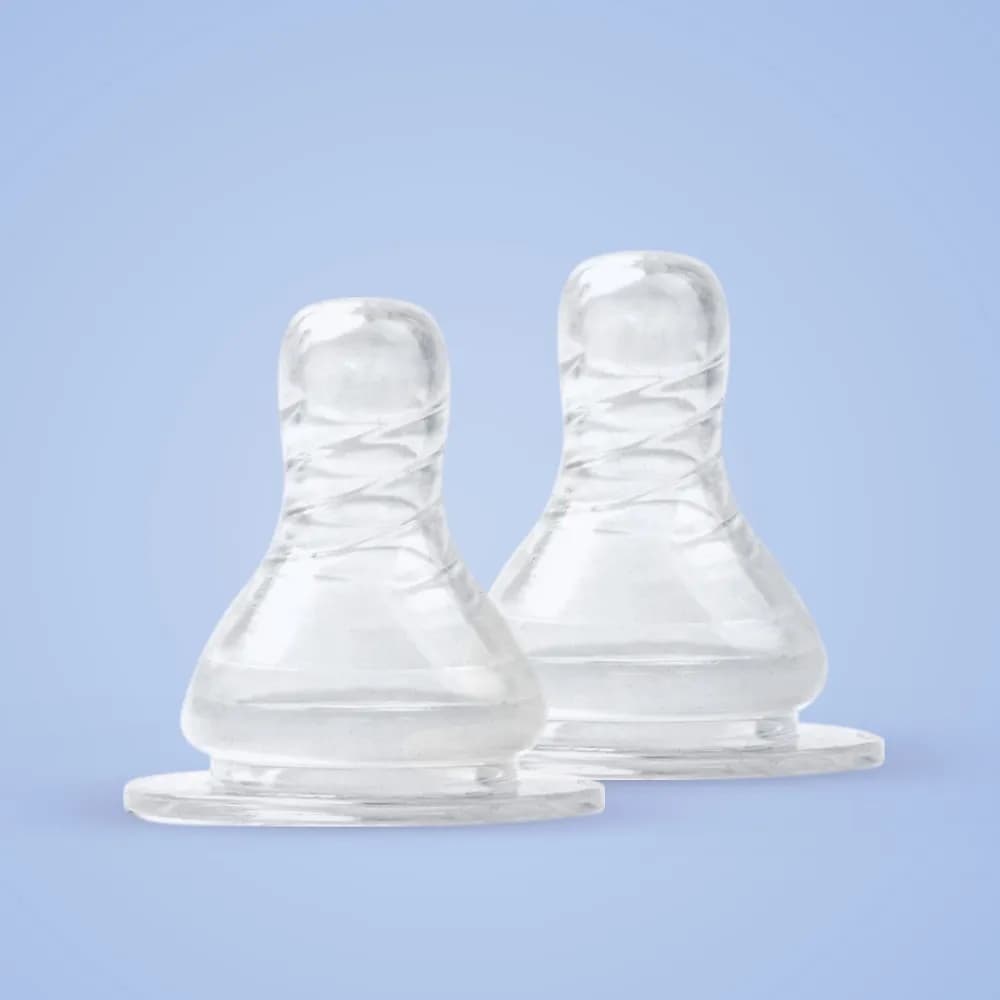
- Looking for safe ways to boost your milk supply? Explore our Anti Colic Slow (S) Flow Grooved Baby Nipple - Pack of 2.
 4.8
4.8 4.6
4.6 4.7
4.7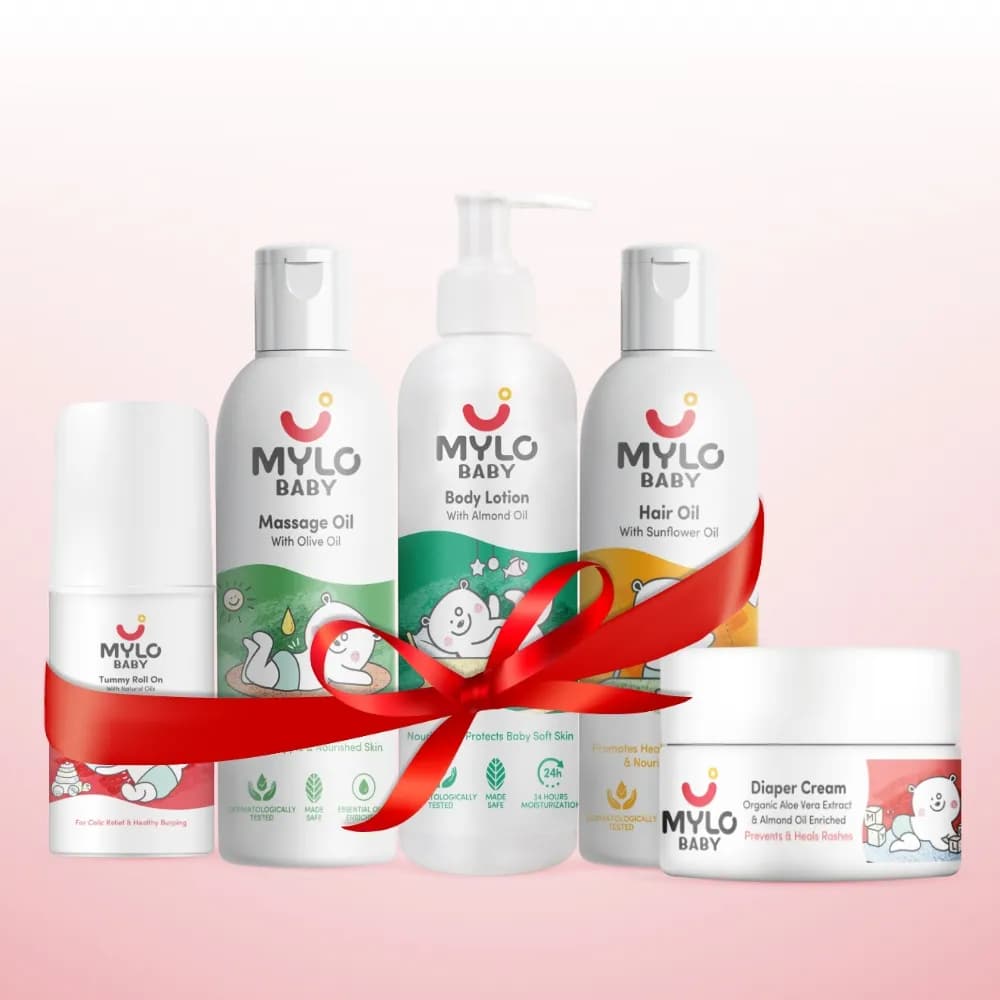 4.2
4.2As a new mother, you are swinging between moments of ecstasy to feeling overwhelmed. Breastfeeding is a beautiful experience and the special bond that it brings. However, if you are stuck with no breast milk after delivery what to do question, then this article is here for you.
In this article, we will discover what to feed baby if no breast milk and provide you with valuable insights and solutions to help you navigate this challenging situation. Worry no more even if there is no breast milk after 1 month of delivery. So, let's embark on a journey of understanding and empowerment as we explore the factors responsible for the absence of breast milk and discover what you can do to increase breastmilk after delivery its arrival.
What Triggers Breast Milk to Come in After Birth?
Here are some key hormones involved in the production and release of breast milk:
1. Prolactin
This hormone is responsible for stimulating the production of milk in the mammary glands. After childbirth, prolactin levels rise, triggering the initiation of milk production. The more frequently your baby breastfeeds, the more prolactin is released, supporting a steady milk supply.
2. Oxytocin
Often called the "love hormone," oxytocin plays a crucial role in the let-down reflex. When your baby latches onto the breast and begins sucking, oxytocin is released, causing the milk ducts to contract and release milk.
3. Estrogen
Estrogen levels rise during pregnancy and prepare the breasts for milk production. It promotes the growth of milk ducts and increases blood flow to the mammary glands.
4. Progesterone
This hormone helps maintain pregnancy and inhibits milk production until after childbirth. Once the placenta is delivered, progesterone levels drop, allowing the prolactin hormone to take over and initiate milk production.
5. Human placental lactogen (HPL)
Produced by the placenta during pregnancy, HPL prepares the breasts for lactation by promoting breast tissue growth and development.
6. Cortisol
Stress can affect milk production, and cortisol, a stress hormone, may interfere with lactation. It's important to create a calm and relaxing environment during breastfeeding to promote optimal milk flow.
Is it Normal to Have No Breast Milk After C Section?
It is not uncommon for some women to experience delayed or reduced milk production following a cesarean section (C-section) delivery. While every woman's body and breastfeeding journey are unique, it's important to note that the absence of breast milk immediately after a C-section is not necessarily a cause for alarm.
Here are a few factors that can contribute to delayed milk production:
1. Hormonal factors
The stress of surgery and the use of anesthesia during a C-section can temporarily affect hormone levels involved in milk production, such as prolactin and oxytocin. This can result in a delay in the onset of milk production.
2. Separation from the baby
If the baby is separated from the mother immediately after birth due to medical reasons, it can delay the initiation of breastfeeding and the establishment of a robust milk supply.
3. Reduced skin-to-skin contact
After a C-section, there may be limitations on immediate skin-to-skin contact, which can affect the baby's ability to latch and stimulate milk production.
4. Medications and interventions
Certain medications or interventions used during a C-section, such as pain medications or intravenous fluids, can potentially impact milk production.
What are the Causes of No Breast Milk after 1 Month of Delivery?
You must be wondering about the causes of no breast milk after delivery what to do? While each situation is unique, there can be several factors contributing to the absence of breast milk at this stage.
1. Insufficient glandular tissue
Some women may have a condition called insufficient glandular tissue (IGT), which means their breasts didn't develop enough milk-producing tissue during puberty. This can result in low milk supply or no milk production.
2. Hormonal imbalances
Hormonal factors, such as certain medical conditions (e.g., polycystic ovary syndrome or hypothyroidism) or medications, can affect milk production.
3. Previous breast surgery
Prior breast surgery, such as breast reduction or augmentation, can interfere with the milk ducts or nerves, leading to reduced milk supply or no milk production.
4. Insufficient breastfeeding or pumping
Establishing and maintaining a robust milk supply requires frequent and effective breastfeeding or pumping sessions. If breastfeeding or pumping is infrequent, inconsistent, or not properly initiated, it can impact milk production negatively.
5. Supplementation or bottle feeding
Introducing formula or excessive bottle feeding early on can reduce the demand for breast milk, signaling the body to produce less milk
6. High stress levels
Stress, anxiety, and fatigue can hinder milk production. The production of oxytocin, a hormone crucial for milk let-down, can be affected by high stress levels.
7. Health issues
Certain health conditions, such as severe postpartum hemorrhage, retained placenta, or certain medications, can affect milk production.
8. Incorrect latch or positioning
Improper latching or positioning during breastfeeding can hinder effective milk transfer and stimulation of milk production.
Now your doubts regarding no breast milk after 1 month of delivery are put to rest and now you can relax and take action to combat the situation.
No Breast Milk After Delivery: What to Do
Experiencing a lack of breast milk after delivery can be concerning, but there are steps you can take to address the situation. Here are some things you can do:
1. Seek professional help
Consult with a lactation consultant or a healthcare professional experienced in lactation support
2. Ensure proper latch and positioning
Make sure your baby is latching correctly and positioned well during breastfeeding. A good latch allows for effective milk transfer and stimulation of milk production.
3. Breastfeed frequently
Offer your baby the breast as often as possible. Frequent breastfeeding stimulates milk production and helps establish a strong milk supply. Aim for at least 8 to 12 nursing sessions in a 24-hour period, or as per your baby's cues.
4. Practice skin-to-skin contact
Skin-to-skin contact between you and your baby stimulates hormone release and promotes breastfeeding.
5. Pumping and hand expression
If your baby is unable to latch or if supplementation is necessary, consider using a breast pump to express milk. Regular pumping sessions can help stimulate milk production and maintain supply.
6. Stay hydrated and nourished
Drink plenty of water and maintain a balanced diet to support milk production. Adequate hydration and nutrition are important for optimal milk supply.
7. Minimize stress and relax
Stress and anxiety can hinder milk production. Create a calm and relaxing environment while breastfeeding.
8. Consider herbal remedies
Certain herbs, like fenugreek or blessed thistle, have traditionally been used to support milk production. However, consult with a healthcare professional before trying any herbal remedies to ensure they are safe for you and your baby.
9. Stay positive and patient
Remember that establishing and maintaining a milk supply can take time. Stay positive, be patient with yourself, and trust in your body's ability to produce milk.
It's important to note that in some cases, exclusive breastfeeding may not be possible due to medical reasons. If this is the case for you, consult with your healthcare provider to develop an appropriate feeding plan for your baby's needs.
What to Feed Baby if No Breast Milk?
If breastfeeding is not possible or if there is a lack of breast milk, there are alternative feeding options to ensure your baby receives proper nutrition. Here are some options to consider:
1. Formula feeding
Commercially prepared infant formula is a suitable alternative to breast milk. It is designed to provide essential nutrients and support your baby's growth and development. Consult with your pediatrician or a healthcare professional to choose the appropriate formula for your baby's needs.
2. Donor milk
If you prefer a breast milk substitute, you can explore the option of donor milk. Donor milk is breast milk provided by screened and approved donors.
3. Combination feeding
Some parents choose to combine breastfeeding and formula feeding. This can involve breastfeeding whenever possible and supplementing with formula when necessary to ensure your baby is adequately nourished. This approach allows you to provide some of the benefits of breast milk while ensuring your baby's nutritional needs are met.
Closing Thoughts
The article provided explicit solutions for no breast milk after delivery what to do question. However, it's essential to remember that you're not alone, and there are steps you can take to address the challenge of no breast milk after c section. Seeking professional help from lactation consultants or healthcare professionals who specialize in lactation support is crucial.
Ultimately, the journey of motherhood is filled with ups and downs. Embrace the journey, embrace the love, and remember that you're doing an incredible job as a mother, regardless of how you nourish your little one.
References
1. Gatti, L. (2008). Maternal Perceptions of Insufficient Milk Supply in Breastfeeding. Journal of Nursing Scholarship, 40(4), 355–363.
2. Stuebe, A. (2009). The risks of not breastfeeding for mothers and infants. Reviews in Obstetrics & Gynecology, 2(4), 222–231.
Trusted by New Mamas Building Their Milk Supply
Gentle, mama-approved lactation support to help nurture your supply and ease your breastfeeding journey with confidence.
Anti Colic Slow (S) Flow Grooved Baby Nipple - Pack of 2
BPA Free | Breast-Like Nipple | Food Grade Material | Wide Base for Better Latch | Can be Sterilized | Microwave Safe | Fits Most Standard Bottles



MamaGro™ Protein Diskettes - 250gm - Vanilla
Supports Healthy Placenta | Supports Fetal Development


Pregnancy Massage Oil + Coconut Oil - 200 ml each

Baby Wellness Kit | Skincare Gift Set for Newborns



Article Posted Under
Related Articles




Related Topics
.webp&w=32&q=75)
Medical Disclaimer
This content is for informational purposes only and should not replace professional medical advice. Consult with a physician or other health care professional if you have any concerns or questions about your health. If you rely on the information provided here, you do so solely at your own risk.


AWARDS AND RECOGNITION

Mylo wins Forbes D2C Disruptor award

Mylo wins The Economic Times Promising Brands 2022
AS SEEN IN












- Mylo Care: Effective and science-backed personal care and wellness solutions for a joyful you.
- Mylo Baby: Science-backed, gentle and effective personal care & hygiene range for your little one.
- Mylo Community: Trusted and empathetic community of 10mn+ parents and experts.


Product Categories
Baby Carrier | Baby Soap | Baby Wipes | Stretch Marks Cream | Baby Cream | Baby Shampoo | Baby Massage Oil | Baby Hair Oil | Stretch Marks Oil | Baby Body Wash | Baby Powder | Baby Lotion | Diaper Rash Cream | Newborn Diapers | Teether | Baby Kajal | Baby Diapers Pants | Cloth Diapers | Laundry Detergent | Lactation Granules |