


Orders

Profile

Big Areolas: A Comprehensive Guide to Causes, Risks and Treatments
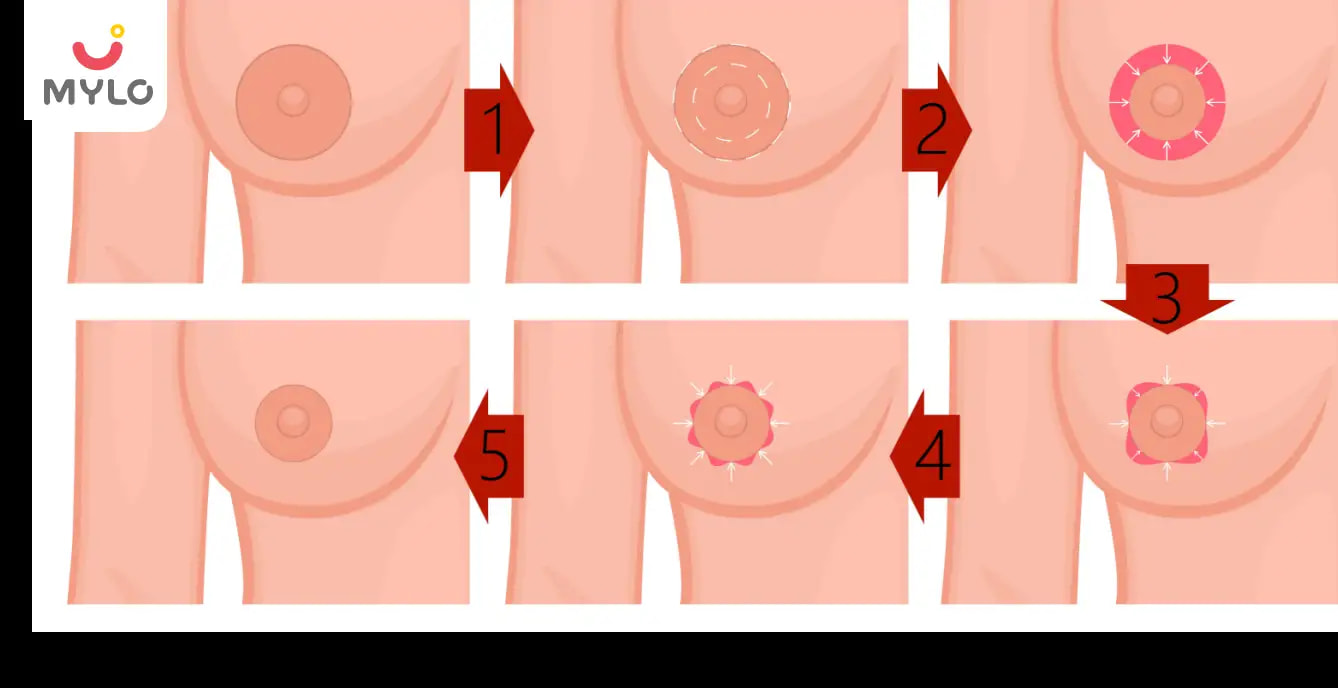
 8 min
8 minAreolas, the pigmented areas surrounding the nipples, come in various shapes, sizes, and colors, making them unique to each individual. While there is no standardized definition of what is considered "normal," some individuals may feel self-conscious or uncomfortable with the size of their areolas. This comprehensive guide aims to shed light on the topic of big areolas, exploring the causes, potential risks, and available treatments.
So, let's embark on this informative journey to embrace the diversity and uniqueness of our bodies.
Areola Meaning
The areola is the pigmented area surrounding the nipple on the breast. It varies in size and color among individuals. The areola contains tiny glands called Montgomery's tubercles, which secrete fluid to keep the nipple and areola moisturized. It also plays a role in sexual arousal and breastfeeding.
What are the Factors Affecting Areola Size?
The size of the areola can be influenced by various factors, including:
1. Genetics
Some individuals are genetically predisposed to have larger or smaller areolas. The size, color, and shape of the areola are determined by genetic factors.
2. Hormonal changes
Hormonal fluctuations during puberty, periods, pregnancy, and menopause can cause changes in the size of the areola. Hormones such as estrogen and progesterone play a role in the growth of the areola in females.
3. Aging
As you age, the areola can change in size. It may become larger or smaller due to natural aging processes.
4. Weight changes
Gaining or losing weight can impact the size of the areola. Weight gain can cause the areola to stretch and become larger, while weight loss may result in the areola appearing smaller.
5. Life-cycle transitions
Life-cycle transitions, such as pregnancy and breastfeeding, can affect the size of the areola. During pregnancy, the areola may increase in size to prepare for breastfeeding. After lactation, the areola may decrease in size but may not fully return to its pre-pregnancy state.
It's important to note that while most changes in the size of the areola are normal, some changes may require medical attention, particularly if accompanied by other symptoms such as a rash or discomfort.
What is the Average Size of an Areola?
A woman's areola can grow or shrink significantly throughout her life. Generally, the larger a woman's breasts, the larger the size of areola. The average female areola has a circumference of 67.1 mm, which is a little more than 2.5 inches. The circumference of the average male areola is 26.6 mm (1 inch).
No matter what size they are, areolas serve the same purpose. Colors seen in the areola include pink, red, brown, dark brown, and nearly black, albeit they tend to be paler in those with lighter skin tones and darker in those with darker skin tones.
What are Some Common Causes of Large Areolas?
Let us understand the possible reasons behind an increase in the size of areolas:
1. Pregnancy and breastfeeding
During pregnancy, the body undergoes hormonal changes that can cause the areolas to enlarge. This enlargement is often temporary but may become permanent after breastfeeding.
2. Genetics
The size and shape of the areolas can be inherited from family members. Some individuals may naturally have larger areolas due to their genetic makeup.
3. Hormonal imbalances
Certain hormonal imbalances, such as those caused by conditions like polycystic ovary syndrome (PCOS) or hormonal medications, can cause the areolas to increase in size.
4. Age and hormone fluctuations
As individuals age, hormonal fluctuations occur, which can affect the size of the areolas. This is particularly common during menopause when estrogen levels decline.
5. Weight fluctuations
Significant weight gain or loss can impact the size of the areolas. Fat deposits in the breasts can change with weight fluctuations, potentially affecting the size of the areolas.
Are Big Areolas Normal or a Sign of a Medical Condition?
Having bigger areolas is generally considered normal and is often a result of genetic factors or hormonal changes. However, in some cases, it may be a symptom of an underlying medical condition. If you notice sudden and significant changes in the size of your areolas, it is advisable to consult a healthcare professional for evaluation. They can help determine if any further investigation or treatment is necessary.
You may also like: White Spots on Nipple: Causes, Symptoms, and Treatments
What are the Risks Associated with Huge Areolas?
While having big areolas is usually harmless, there are a few risks and complications associated with their size:
1. Self-esteem and body image issues
Some individuals may feel self-conscious or unhappy with the appearance of their areolas, which can impact their self-esteem and body image.
2. Difficulty finding well-fitting bras
Large areolas may require a specific bra size or style to ensure proper support and comfort. Finding the right fit may be challenging, leading to discomfort or inadequate support.
3. Chafing and irritation
Larger areolas may be more prone to chafing and irritation, especially during physical activities or when wearing certain fabrics. This can cause discomfort and potential skin issues.
You may also like: A Guide to Breast Infection: Symptoms, Causes, and Treatment Options
Treatment Options for Reducing Areola Size
If an individual desires to reduce the size of their areolas, there are both non-surgical and surgical treatment options available.
Non-surgical methods
If you wish to reduce the size of your areola, you may try the following non-surgical methods:
1. Areola reduction creams
Some topical creams claim to reduce the size of the areolas. These creams often contain ingredients that promote skin tightening and collagen production. However, their effectiveness may vary, and it is essential to consult a dermatologist before using any product.
2. Areola reduction exercises
Certain exercises, such as pectoral exercises, may help tone the muscles underneath the breasts and potentially reduce the size of the areolas. However, the results may vary, and consistency is key.
3. Laser therapy
Laser therapy can be used to tighten the skin around the areolas, resulting in a reduction in size. This non-invasive procedure stimulates collagen production, leading to firmer and tighter skin.
Surgical procedures
Women with huge areolas wishing to reduce the size may consider the following surgical options:
1. Areola reduction surgery
Also known as areola reduction mammoplasty, this surgical procedure involves removing excess tissue and reshaping the areolas to achieve a smaller size. It is typically performed under local anesthesia and can provide long-lasting results.
2. Breast augmentation or reduction surgery
In some cases, individuals may choose to combine areola reduction with breast augmentation or reduction surgery. These procedures can help achieve a desired breast shape and size, including the size of the areolas.
3. Nipple reconstruction
If an individual has undergone a mastectomy or experienced nipple loss, nipple reconstruction surgery can be performed. This procedure includes recreating the nipple and areola complex to match the desired size and appearance.
You may also like: Your Guide to Breast Self Examination
The Bottomline
While big areolas may be a source of concern for some individuals, it is important to remember that they are a natural and normal variation in breast anatomy. It is crucial to embrace and accept our bodies as they are. However, if an individual feels uncomfortable or unhappy with the size of their areolas, there are various treatment options available. Consulting a healthcare professional can provide guidance and help determine the most suitable approach for individual needs. Ultimately, the decision to pursue any treatment should be based on personal preference and well-informed choices.
References
1. Zucca-Matthes G, Urban C, Vallejo A. (2016). Anatomy of the nipple and breast ducts. Gland Surg.
2. Hauben DJ, Adler N, Silfen R, Regev D. (2003). Breast-areola-nipple proportion. Ann Plast Surg.
3. Trøstrup H, Saltvig I, Matzen SH. (2019). Current surgical techniques for nipple reduction: A literature review. JPRAS Open.
 Yes
Yes
 No
No
Your parenting partner
in your pocket.
supportive community.

Your parenting partner
in your pocket.
supportive community.


Article Posted Under
Helpful Tools & Calculators

.webp&w=32&q=75)














Priyanka is an experienced editor & content writer with great attention to detail. Mother to an 11-year-old, she's a ski
Related Articles
The Floor Toddlers Live on and Why Keeping It Clean and Safe Matters
5· 4 min
4 min Home Hygiene and the Importance of Clean Floors During Pregnancy
6·4 min Are Lactation Supplements Safe and How to Choose the Right One?
7 min How Should You Take lactomama Lactation Granules And What is The Best Time of Day to Take Them for Better Results?
7 min
Questions about this article
- Asked when 38 weeks pregnant
Hello frnds..still no pain...doctor said head fix nhi hua hai..bt vagina me pain hai aur back pain bhi... anyone having same issues??
- Asked when 23 weeks pregnant
Kon kon c chije aisi hai jo pregnancy mei gas acidity jalan karti hain... Koi btayega plz bcz mujhe aksar khane ke baad hi samagh aata hai ki is chij se gas acidity jalan ho gyi hai. Please share your knowledge
- 14 weeks pregnant
I am 13 week pregnancy. Anyone having Storione-xt tablet. It better to have morning or night ???
- Asked when 10 weeks pregnant
Hlo to be moms....i hv a query...in my 9.5 wk i feel body joint pain like in ankle, knee, wrist, shoulder, toes....pain intensity is high...i cnt sleep....what should i do pls help....cn i cosult my doc.
- Asked when 33 weeks pregnant
Influenza and boostrix injection kisiko laga hai kya 8 month pregnancy me and q lagta hai ye plz reply me
Recently Published Articles
Your body needs extra nutrition this trimester - these can help.

The Benefits and Risks of Using Hydrocortisone Cream for Babies

The Ultimate Guide to Planning for Second Baby

The Ultimate Parent's Guide to Dealing with Boils in Babies
2 Months Pregnant Belly: Understanding Your Belly and Baby's Transformation
The Significance of Trilaminar Endometrium in Fertility: What You Need to Know
Medical Disclaimer
This content is for informational purposes only and should not replace professional medical advice. Consult with a physician or other health care professional if you have any concerns or questions about your health. If you rely on the information provided here, you do so solely at your own risk.


AWARDS AND RECOGNITION

Mylo wins Forbes D2C Disruptor award

Mylo wins The Economic Times Promising Brands 2022
AS SEEN IN












- Mylo Care: Effective and science-backed personal care and wellness solutions for a joyful you.
- Mylo Baby: Science-backed, gentle and effective personal care & hygiene range for your little one.
- Mylo Community: Trusted and empathetic community of 10mn+ parents and experts.


Product Categories
Baby Carrier | Baby Soap | Baby Wipes | Stretch Marks Cream | Baby Cream | Baby Shampoo | Baby Massage Oil | Baby Hair Oil | Stretch Marks Oil | Baby Body Wash | Baby Powder | Baby Lotion | Diaper Rash Cream | Newborn Diapers | Teether | Baby Kajal | Baby Diapers Pants | Cloth Diapers | Laundry Detergent | Lactation Granules |