


Orders
.png&w=48&q=75 "login")
Profile


Wallet

When Do Babies Make Eye Contact: Keeping an Eye on Important Milestones
 852 Likes|
 7 min
7 minKey Takeaways
Quick overview in 30 seconds.webp&w=32&q=75)
Summary
- Eye contact is a key milestone showing healthy neurological development, helping babies recognise parents and strengthening the emotional bond between you and your little one.
- Babies typically begin making brief eye contact between 1-2 months, with longer, meaningful gazes developing by 4-6 months as their vision matures week by week.
- Encourage eye contact by holding your baby 10-20 inches away, playing peekaboo, using high-contrast toys, and communicating regularly through talking, singing, and making faces.
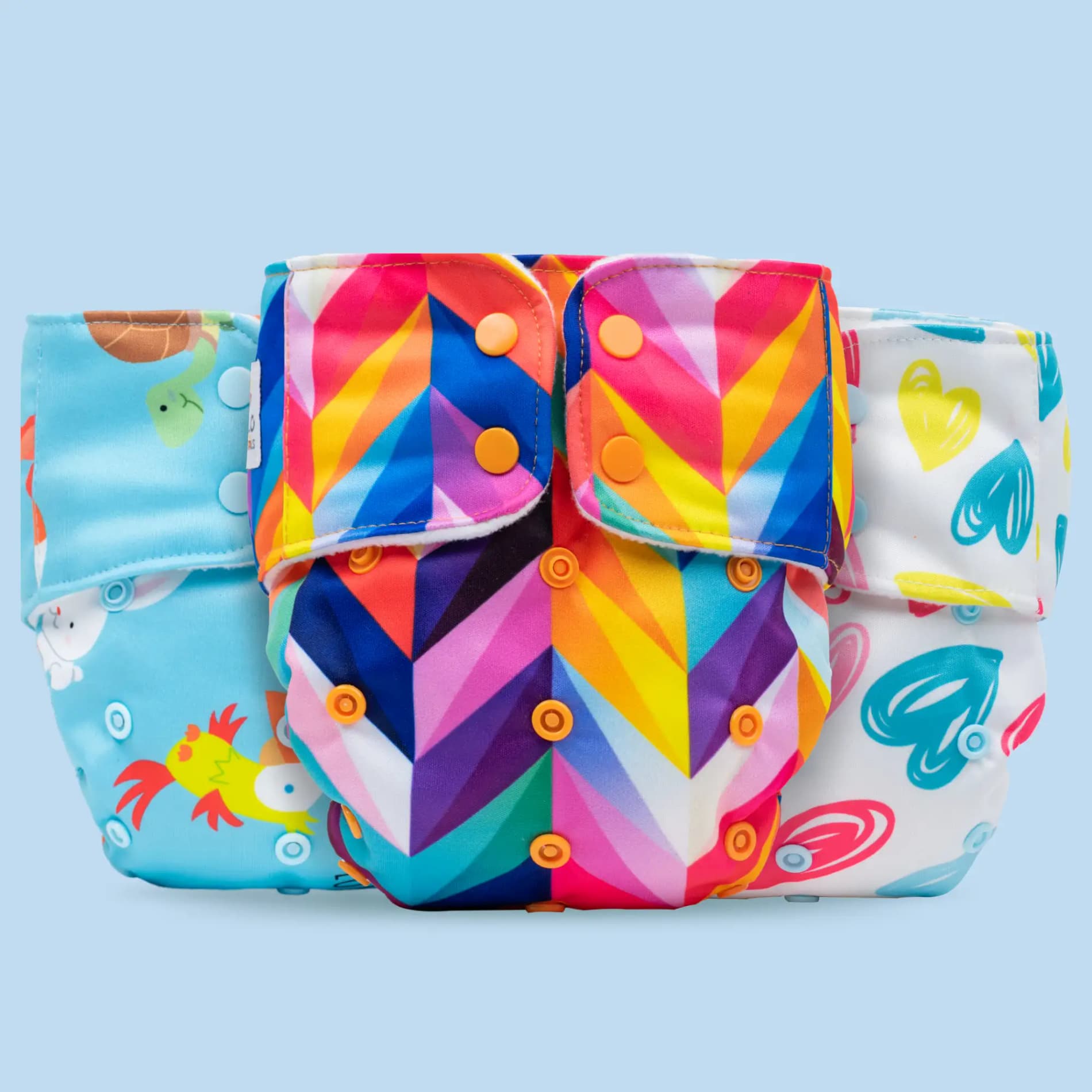
- Which toys help boost your baby's vision development? Explore our Adjustable & Reusable Cloth Diaper - Rainbow, Pet Love & Heart Doodles - Pack of 3.
 4.0
4.0 4.8
4.8 4.2
4.2One of the most rewarding experiences in life is staring into a baby’s eyes and feeling a connection. However, if your little one does not make eye contact, it may cause concern and worry. A baby’s vision development is an essential milestone that strengthens the bond between parents and babies. As parents, you may wonder when do babies make eye contact and what you can do to encourage it.
In this article, we will explore how much eye contact is normal for babies, when to expect this exciting milestone, baby vision development week by week and activities to encourage your baby’s vision development.
Why is Eye Contact Important?
Eye contact indicates the normal progression of the baby's neurological development. When an infant makes eye contact, parents are assured that their child recognizes them. It also reinforces the relationship between the parents and the child. Eye contact also allows intelligence to be collected and analysed. When an infant sees their parents, they begin to relate to the voices and people, to understand what a smile means and what it means to be loved.
Baby Eye Contact Development Week by Week
Babies’ eye development happens rapidly within the first months. Here is a week-by-week guide to help you understand when you can expect eye contact from your little one:
Birth to 1 Month
At birth, babies can only see objects and faces about 8-12 inches away. During this period, expect brief eye contact from your little one. However, they may not be able to focus on your face for more than a few seconds.
1-3 Months
Between 1-3 months, your baby will begin making longer eye contact as they start to follow objects with their eyes. During this period, they will also start to recognize your face and develop a preference for familiar faces.
4-6 Months
At this stage, your baby will start recognizing familiar faces and making real eye contact. Get ready for heartwarming moments as they start to connect with you through their gaze.
6+ Months
As your baby’s vision development progresses, they will become more interested in exploring the world around them. Expect them to look away from you more often as they start to investigate their surroundings.
When Do Babies Make Eye Contact?
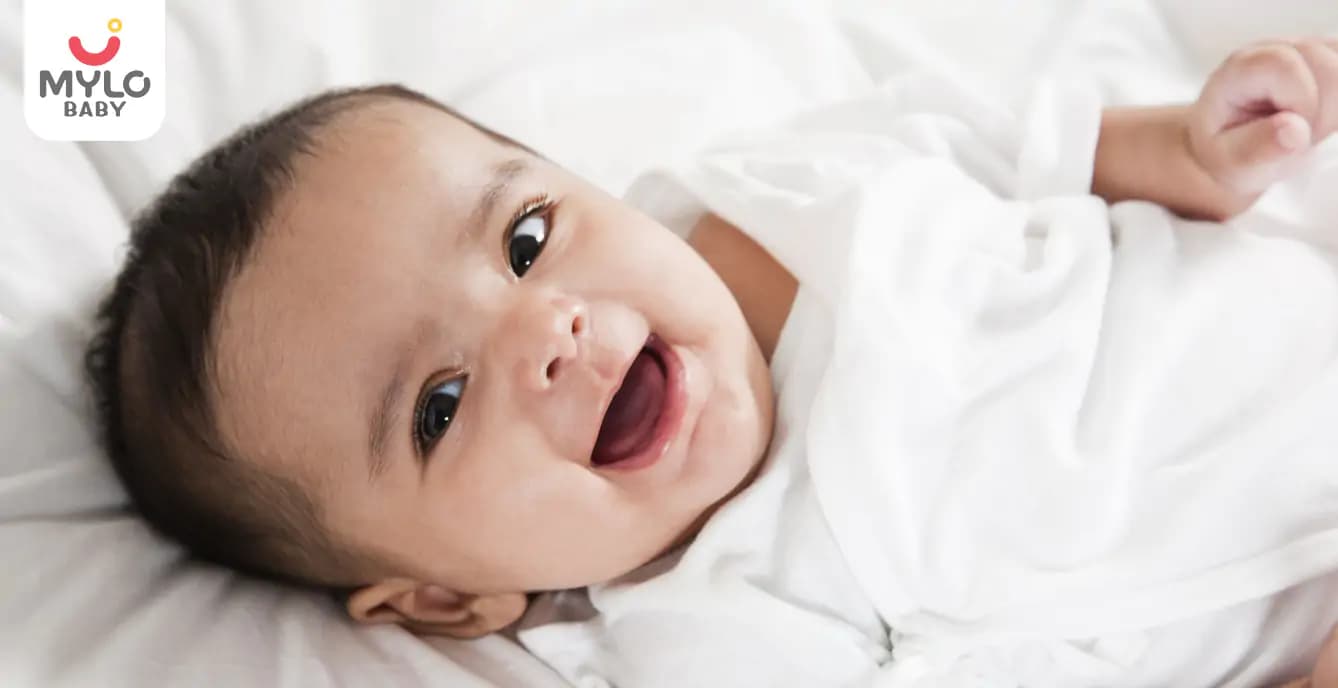
Babies may start making eye contact between one and two months of age and can control the direction of their gaze by three to four months old. Newborns can see only within a foot in front of their faces because their eye muscles have not developed enough to move their eyes at the same time. If a parent has concerns that their baby vision development week by week isn’t progressing as it should, they should speak to their doctor or pediatrician.
How Much Eye Contact is Normal for Babies?
Every baby develops differently, and there isn’t a straightforward answer to this question. However, the following guidelines may help calm any worries:
1. Quality Over Quantity
A few seconds of good eye contact several times a day might be enough. Remember that each baby has their own pace of development, and it is essential not to compare your child too closely with others.
2. Context Matters
Some situations naturally lead to more interaction, like playtime, while others don't require constant attention, like diaper changes. Be mindful of the environment when trying to encourage eye contact.
3. Trust Your Instincts
If something feels worrying about your child's ability to make eye contact, you should talk to a pediatrician. Early intervention can help address any potential developmental concerns.
4. Tips for Encouraging Eye Contact in Babies
Helping your baby develop eye contact skills takes patience and practice. Here are some tips to help encourage eye contact in your little one:
5. Get Up Close
Be within your baby's line of sight during feedings, playtime, or diaper changes. Holding your baby at about 10-20 inches away from your face can help encourage eye contact.
6. Follow Their Lead
Observe what catches your baby's interest and try to explore those things together. If your baby is gazing at you out of their own volition, take advantage of those opportunities to sing, make faces, or talk to them.
7. Play Peekaboo
Peekaboo is a classic game that helps babies practice making eye contact and tracking things visually. This game can also be a fun way to bond with your little one.
8. Use High-Contrast Toys
Using bright colors and high-contrast toys can catch your baby's attention more easily than dull colors. These toys can help encourage them to focus on objects and people around them, leading to better eye contact.
9. Communicate Regularly
Regular communication with your baby, even when they are too young to understand, can help encourage eye contact. Talk to them, sing to them, and make eye contact whenever possible.
10. Be Patient
Remember that some days will be better than others, and it's okay if your baby doesn't make eye contact every time. Give them space when they need it, and be patient as they develop their skills.
When to Seek Help
It is important to keep in mind that all babies develop at their own pace. However, there are a few warning signs to look out for:
1. No Eye Contact by 3 Months
If your baby has not made eye contact by three months, it may be a cause for concern. Talk to your pediatrician, who can help evaluate any potential developmental concerns.
2. Unable to Follow Moving Objects by 4 Months
If your baby is unable to follow moving objects by four months, it may be an indication of a vision problem. It is recommended to consult a pediatrician for further evaluation.
Conclusion
Understanding when do babies make eye contact is an essential part of their development. It plays a vital role in building emotional and intellectual connections between parents and babies. Every baby develops differently, and there is no straightforward answer to how much eye contact is normal for babies. However, the guidelines discussed in this article can help calm any worries and encourage healthy eye contact development in your little one.
References
- Farroni T, Csibra G, Simion F, Johnson MH. (2002). Eye contact detection in humans from birth. Proc Natl Acad Sci U S A.
- Levinsen M, Børresen ML, Roos L, Grønskov K, Kessel L. (2021). Causes of poor eye contact in infants: a population-based study. BMC Ophthalmol.
- Brémond-Gignac D, Copin H, Lapillonne A, Milazzo S; European Network of Study and Research in Eye Development. (2011). Visual development in infants: physiological and pathological mechanisms. Curr Opin Ophthalmol.
Loved by Parents Nurturing Tiny Milestones
Gentle, high-contrast toys and visual play essentials that support your baby's vision development and your bonding moments together.
Adjustable & Reusable Cloth Diaper - Rainbow, Pet Love & Heart Doodles - Pack of 3
Oeko-Tex Certified | Prevents Rashes


Anti Colic Slow (S) Flow Grooved Baby Nipple - Pack of 2
BPA Free | Breast-Like Nipple | Food Grade Material | Wide Base for Better Latch | Can be Sterilized | Microwave Safe | Fits Most Standard Bottles



Baby Wellness Kit | Skincare Gift Set for Newborns

Article Posted Under
Related Articles
Related Topics
.webp&w=32&q=75)
Medical Disclaimer
This content is for informational purposes only and should not replace professional medical advice. Consult with a physician or other health care professional if you have any concerns or questions about your health. If you rely on the information provided here, you do so solely at your own risk.


AWARDS AND RECOGNITION

Mylo wins Forbes D2C Disruptor award

Mylo wins The Economic Times Promising Brands 2022
AS SEEN IN













- Mylo Care: Effective and science-backed personal care and wellness solutions for a joyful you.
- Mylo Baby: Science-backed, gentle and effective personal care & hygiene range for your little one.
- Mylo Community: Trusted and empathetic community of 10mn+ parents and experts.


Product Categories
Baby Carrier | Baby Soap | Baby Wipes | Stretch Marks Cream | Baby Cream | Baby Shampoo | Baby Massage Oil | Baby Hair Oil | Stretch Marks Oil | Baby Body Wash | Baby Powder | Baby Lotion | Diaper Rash Cream | Newborn Diapers | Teether | Baby Kajal | Baby Diapers Pants | Cloth Diapers | Laundry Detergent | Lactation Granules |