


Orders
.png&w=48&q=75 "login")
Profile


Wallet

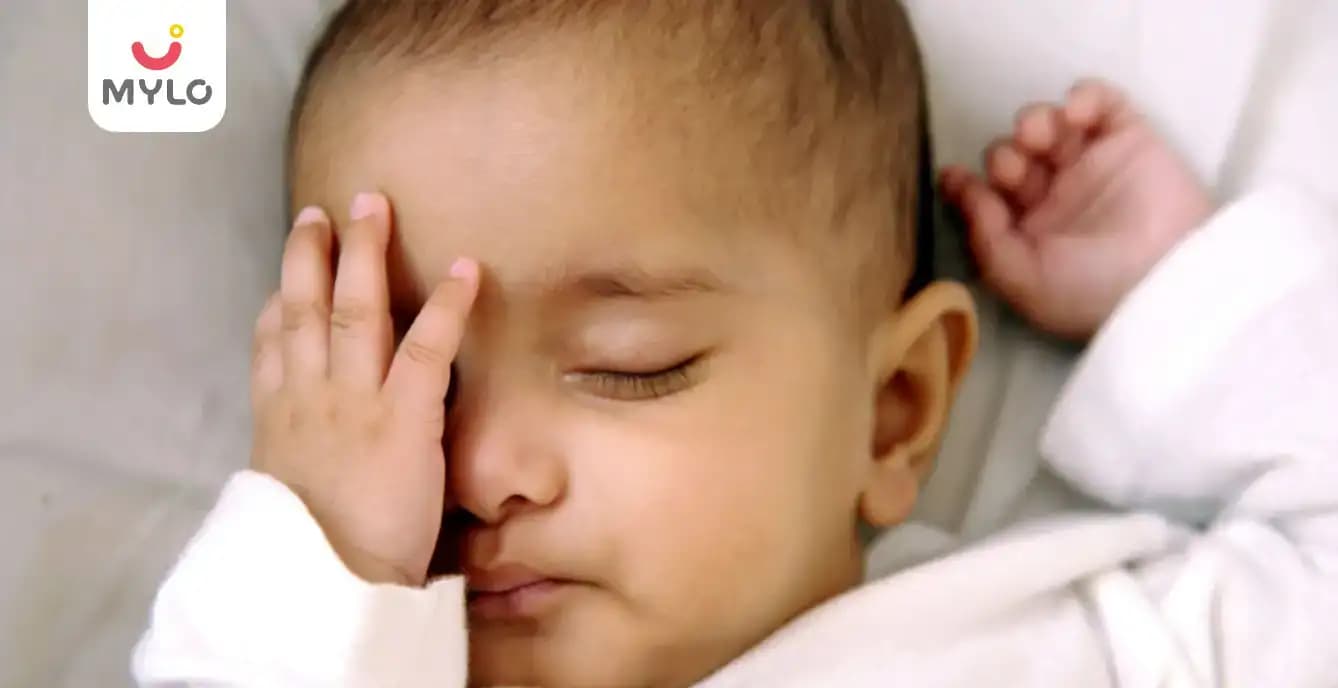
Baby Sleep (Infant Sleep): What to Expect & Tips
 55 Likes|
 9 min
9 minKey Takeaways
Quick overview in 30 seconds.webp&w=32&q=75)
Summary
- Newborns sleep 16-20 hours daily in short cycles, waking often for feeds, while babies aged 3-6 months gradually settle into 12-15 hours with longer night stretches.
- From 6-12 months, most babies sleep through the night, though teething, growth spurts, or illnesses may temporarily disrupt their sleep patterns.
- Establish a calming bedtime routine, dim lights, minimise noise, put baby down drowsy but awake, and ensure a comfortable crib with a firm mattress.
- What helps your baby sleep more soundly through the night? Explore our Baby Wellness Kit | Skincare Gift Set for Newborns.

 4.2
4.2 4.0
4.0The one thing that unites new parents all over the world is sleepless nights. It's just difficult to get newborns to sleep. And even if they do fall asleep, it’s a whole new milestone for them to stay asleep. As new parents, it can take you some time to adjust to your baby’s sleep routine and have doubts about it.
In this article, we will discuss the normal baby sleeping habits, the changes that occur over the first 12 months of your baby’s life and how to help ensure that your baby gets a healthy amount of sleep.
How Much Sleep Do Babies Need?
Baby sleep habits vary from infant to infant. Some fall asleep as soon as they hit the bed, but others need much more work. Yet others are light sleepers. Experts say newborns should sleep for 16-20 hours a day, but infants wake up several times, mainly because they are hungry. But with patience and practice, one could help their baby sleep through the night.
How Baby Sleep Changes From 2 to 12 months?
During the first year of life, baby sleep patterns will keep changing. These changes include the number of hours of sleep needed and the duration of sleep periods in the day and night. Let us understand about infant sleeping changes in more detail.
Baby Sleep Needs: 2 to 3 months
During this age, babies sleep for nearly 14-17 hours a day, on and off. Newborns like to sleep in cycles lasting 50-60 minutes. Your baby may wake up grizzly or crying after each cycle and may need your help to settle for the next sleep cycle. You may notice that around 2-3 months, your baby may start developing night and day sleep patterns, meaning they start sleeping more during the night.
Baby Sleep Needs: 3 to 6 months
Starting around 3 months, baby sleep needs begin to drop to 12-15 hours a day. Also, you may notice that your baby is able to sleep for longer durations at a stretch. Babies start developing a pattern of 2-3 daytime sleeps lasting for nearly 2 hours. Additionally, the night sleeps get longer as babies are able to stay longer without feeding. You can expect your baby to sleep around 6 hours a night, waking only once or twice, by the time they are 6 months old.
Baby Sleep Needs: 6 to 12 months
From 6 months onward, babies begin to sleep the longest during the night. They may still sleep 2-3 times a day in cycles that last 30 minutes to 2 hours. You can expect your baby to sleep throughout the night. However, the onset of issues like teething, growth spurts or illnesses may cause them to wake during the night. Sleep training tips might come handy at this stage for parents.
Tips to Helping Your Baby Fall Asleep
Here are ten useful tips for new parents to help their baby sleep through the night:
1. Establish a bedtime routine
A consistent bedtime routine will signal the baby that it's time to wind down and sleep. It may include taking a bath, reading a story, or singing a lullaby. A routine can help get the baby to sleep through the night. Like with any habit, it takes time to establish a bedtime routine, so be patient and consistent.
2. Put the baby to bed drowsy but awake
It may be tempting to rock your baby to sleep and then put them in bed, but this can make it harder for them to learn how to fall asleep on their own. Instead, put them on baby sleeping bed when they are drowsy but still awake. This will help them learn how to self-soothe and fall asleep independently.
3. Keep the lights low in the evening
As the day ends, start dimming the lights at home as a signal to the baby that it's time for bed. A dark bedroom is also more conducive to sleep. Also, consider using night lights in the room to avoid complete darkness.
4. Keep noise to a minimum in the evening
Just like adults, babies sleep better in a quiet environment. So just like lights, try to minimise the noise in the house as the day draws to a close.
5. Avoid stimulating activities before bedtime
This means no TV, electronic screens, or roughhousing before bedtime. Instead, opt for activities that help the baby calm down, like reading or baby yoga, before putting the baby on the baby's sleeping bed.
6. Ensure comfortable sleeping environment
A comfortable crib or bassinet with a firm mattress and clean sheets is ideal. The room's temperature should also be kept cool, around 20 degrees Celsius. One can also use baby sleeping bags, an increasingly popular sleepwear choice for babies and toddlers. They offer a safe and comfortable alternative to blankets and can help the child stay warm and cozy all night.
7. Use white noise if needed
If the baby is a light sleeper, white noise can help them sleep better. There are many white noise machines available. Or you can simply turn on a fan in the room. Hearing repetitive sounds helps babies fall asleep. It can be a fan, soft music, the ticking of a clock or baby sleep music. The Internet is full of baby sleep music.
8. Keep feedings regular during the night
If the baby is sleeping through the night, there is no need to wake them up for feeding. However, if they are wakeful or crying, a nighttime feeding may help them back to sleep.
9. Don't rush in when the baby cries
It can be tempting to rush to the baby every time they cry, but this can disrupt their sleep and make it harder for them to settle down again. Unless they are hungry or need a change of diapers, hold on for a minute. They often go back to sleep on their own.
10. Be patient
It takes time for babies to learn how to sleep through the night. There will be nights when the baby wakes up and cries, but with consistency and patience, they will eventually get the hang of it.
What are the Signs of Infant Sleep Problems?
At around 6 months, you may notice that finally after learning to sleep through the night, your baby has started waking up again. Don’t worry, this may just be because of separation anxiety or because they’re overstimulated or overtired.
Common signs of baby sleeping problems may include:
- Waking or crying at least once after sleeping through the night
- Crying upon your leaving the room
- Refusing to sleep without you or your partner nearby
- Clinging to you at separation
Infant sleep problems may also happen because of illnesses. If your baby is facing trouble falling asleep or staying asleep, speak with your baby’s doctor.
How Baby Sleep Patterns Affect Grown-Ups?
Babies and grown-ups all need sleep for their well-being but their sleep patterns differ. Most parents with babies under 6 months of age wake in night to feed or settle their child. For some, it may continue even after 6 months.
While some parents with adequate family or partner support are able to sustain this routine and catch up on sleep during the day, others may not. Not getting adequate sleep for long durations may seriously affect them and their lives.
The quality and quantity of your sleep can affect both your mood and health. Sleep deprivation and exhaustion can make it harder for you to focus, care for your baby and work. Additionally, it may even affect your relationships with your partner and baby.
So, it’s important for you to get enough sleep and ask friends and family for help. If you feel, your lack of sleep is affecting your mental and emotional health, you should speak with a doctor.
Concerns about Baby Sleep
If your baby’s facing trouble falling asleep, try some of the above-mentioned tips to help your baby to fall asleep. Additionally, you can try tracking your baby’s sleep patterns for a week. If you notice any irregularities or deviations from average baby sleep needs, raise your concerns with your baby’s doctor. You can also take this baby sleep chart with you on your next doctor's visit.
Closing Thoughts
The pediatrics society indicates that newborns spend a large part of the day and night sleeping and that in the first month, it is normal for babies to sleep 16 hours, waking up only to eat. The number of sleeping hours will gradually decrease. From their first days, they must learn that the night is for sleeping and get used to falling asleep in the crib.
References
Stanford Medicine. Infant Sleep. www.stanfordchildrens.org
Trusted by Mamas Building Gentle Sleep Routines
Soft, safe sleep essentials that help your little one drift off cosy and wake up refreshed.





Article Posted Under
Related Articles



Related Topics
.webp&w=32&q=75)
Medical Disclaimer
This content is for informational purposes only and should not replace professional medical advice. Consult with a physician or other health care professional if you have any concerns or questions about your health. If you rely on the information provided here, you do so solely at your own risk.


AWARDS AND RECOGNITION

Mylo wins Forbes D2C Disruptor award

Mylo wins The Economic Times Promising Brands 2022
AS SEEN IN













- Mylo Care: Effective and science-backed personal care and wellness solutions for a joyful you.
- Mylo Baby: Science-backed, gentle and effective personal care & hygiene range for your little one.
- Mylo Community: Trusted and empathetic community of 10mn+ parents and experts.


Product Categories
Baby Carrier | Baby Soap | Baby Wipes | Stretch Marks Cream | Baby Cream | Baby Shampoo | Baby Massage Oil | Baby Hair Oil | Stretch Marks Oil | Baby Body Wash | Baby Powder | Baby Lotion | Diaper Rash Cream | Newborn Diapers | Teether | Baby Kajal | Baby Diapers Pants | Cloth Diapers | Laundry Detergent | Lactation Granules |