


Orders
.png&w=48&q=75 "login")
Profile


Wallet

7 Common Bottle Feeding Problems
 412 Likes|
 6 min
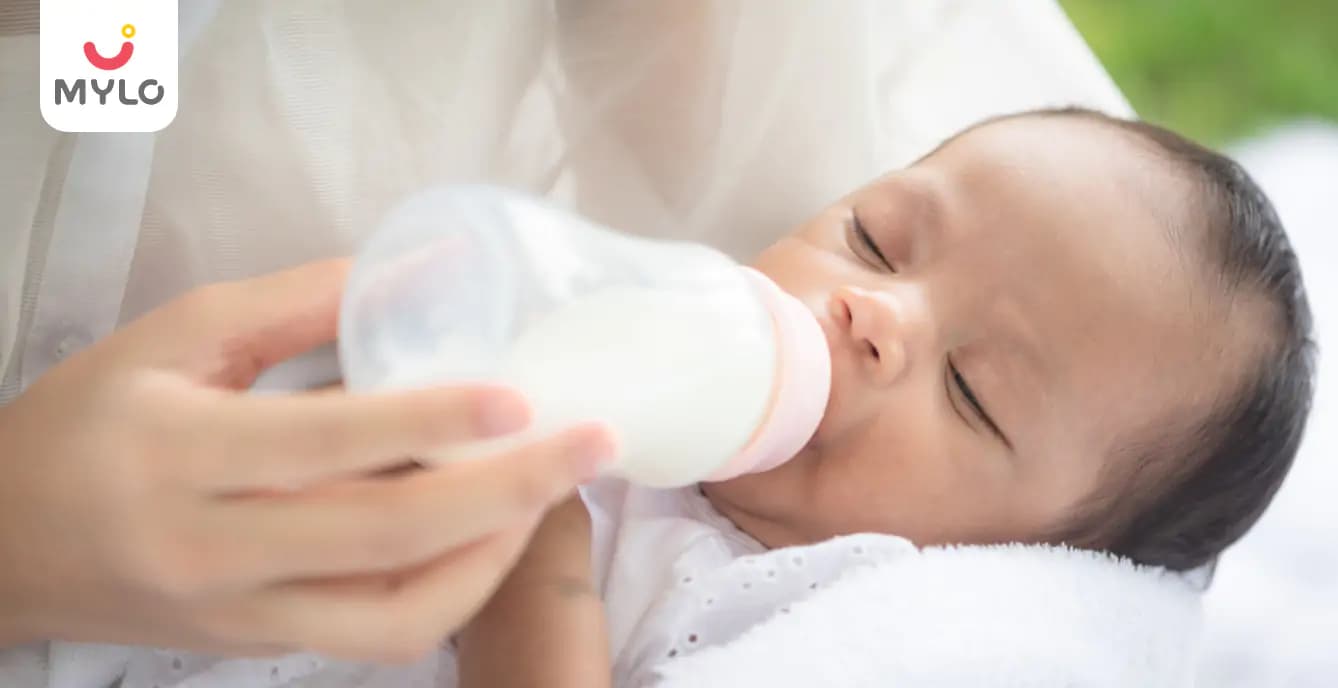
6 minThere are various reasons for a baby to refuse bottle feeding; the good news is that most of these reasons are behavioral in nature and can be addressed, sometimes, by simply observing the baby for vital clues. Given below are some common problems associated with bottle feeding and their solutions.
1. Misinterpreting Hunger
The most common and the most easily correctable problem related to bottle feeding is the misinterpretation of hunger by new moms. Babies tend to suck on their thumbs and other objects for various reasons other than being hungry. A baby may suck on things out of anxiety, boredom or simply being tired; many mothers misinterpret this reflex of hunger. Attempting to feed the baby based on this behaviour can result in the baby refusing to feed simply because it is not hungry.
What to Do
If the baby is refusing to feed, do not force it, accept that you may have misinterpreted and wait till the baby gives more clear clues of being hungry.
You may also like: Feeding bottle or sipper: Which is better for your baby?
2. Misinterpreting/Miscalculating Feeding Amount
The second most common and easily correctable problem with regards to bottle feeding is miscalculating the amount of milk or baby formula a baby really needs. Sometimes parents make calculations based on expert opinion or simply guesstimate their baby’s daily requirement of milk or formula. And sometimes professionals make the mistake of not properly calculating requirements based on changing requirements as the baby is growing. Whatever the case may be, if a baby has had enough and is not hungry, it will refuse to feed.
What to Do
Commonly estimated feeding suggestions are only approximate figures and can vary from baby to baby. Some babies feed more than others and some less. As noted above, wait till the baby gives more clear clues of being hungry.
You may also like: New Moms may want to know the impact of Breastfeeding vs. Formula-Feeding on their newborn's sleep... know all!
3. Distracted Baby
Humans are naturally curious beings; this curiosity is apparent as early as four months from being born. Once a baby is four months or older, his curiosity makes him take more interest in everything around him. Other children playing, pets acting up, and even music and television can distract a baby and make it lose focus on feeding.
What to Do
If you feel your baby is distracted, turn of all sound sources such as television, music, etc., better still is to find a quiet room without people, children or pets.
You may also like: Do you want easy transition from breastfeeding to bottle-feeding? Here are some tips to help you do it.
4. Tired Baby
A baby may refuse to bottle feed simply because it is tired. A baby that has not slept enough will tire quickly; while it is true that a hungry baby may sleep less, it is equally true for a baby deprived of sleep to avoid feeding. It will throw up a fuss, cry or fall asleep while feeding.
What to Do
Seek expert opinion on sleeping and feeding schedules, or create a balanced schedule to avoid overlapping sleeping time with feeding time. Also, ensure that your baby is getting enough sleep and try to feed the baby before it gets tired.
5. Individual Feeding Pattern
Like all mammals, humans tend to display individual personality types, behavioral patterns, and feeding habits from very early in their lives. Some babies like to consume large amounts of food at one go; others like to feed a little at a time but more often during the day. If your baby is frequently refusing to bottle feed, then it is prudent to consider that you may not have fully understood his/her individual feeding pattern. Constantly feeding a baby can put added stress on the mother. Ideally, a baby’s individual pattern should be respected, but if needed, an attempt can be made to gently and gradually encourage a change.
What to Do
A baby should be encouraged to feed much of what food it needs in about forty minutes, but given individual patterns, this should not be forced. Stop if the baby does not wish to continue. Another approach to a frequent feeding pattern is to try and create longer intervals between feeds. Encourage play or take the baby for an outing, or let it nap to gradually increase the time intervals between feeds.
6. Bottle Feeding Aversion
Some babies may develop an allergy to milk protein or may develop intolerance to milk or formula. There are many factors that may induce feeding aversions, such as certain physical or oral problems and reflux. Fortunately, most feeding aversions are a result of behavioral issues than actual physical problems or medical conditions.
What to Do
A feeding aversion can be a very complicated problem with no easy or straightforward solutions. If all else fails, then the only solution is to consult experts to try and identify the root cause of this aversion.
7. Night Feeding
New-born babies need to be fed frequently and even at night. Avoid feeding a baby, that has reached six months, at night. If night feeding continues beyond six months it could result in a formula fed baby refusing bottle. This is no cause for alarm; it may simply be that the baby relies on feeding to fall asleep. Night time feeding will not harm the baby, but given that a baby needs only a certain amount of food every twenty-four hours, she may simply refuse to be bottle fed during the day.
What to Do
Once the baby has reached six months of age, parents should consider slowly and gradually discouraging night-time feeding. This can be done by simply encouraging the baby to feed more during the day
You may also like: Is your baby 3 months old now? Here's how to set-up a perfect sleep and feeding schedule for your little one? .
Reference
1. Kotowski J, Fowler C, Hourigan C, Orr F.(2020) Bottle-feeding an infant feeding modality: An integrative literature review. Matern Child Nutr.
2. Li R, Scanlon KS, May A, Rose C, Birch L.(2014) Bottle-feeding practices during early infancy and eating behaviors at 6 years of age. Pediatrics.
Article Posted Under
Related Articles




Related Topics
.webp&w=32&q=75)
Medical Disclaimer
This content is for informational purposes only and should not replace professional medical advice. Consult with a physician or other health care professional if you have any concerns or questions about your health. If you rely on the information provided here, you do so solely at your own risk.


AWARDS AND RECOGNITION

Mylo wins Forbes D2C Disruptor award

Mylo wins The Economic Times Promising Brands 2022
AS SEEN IN













- Mylo Care: Effective and science-backed personal care and wellness solutions for a joyful you.
- Mylo Baby: Science-backed, gentle and effective personal care & hygiene range for your little one.
- Mylo Community: Trusted and empathetic community of 10mn+ parents and experts.


Product Categories
Baby Carrier | Baby Soap | Baby Wipes | Stretch Marks Cream | Baby Cream | Baby Shampoo | Baby Massage Oil | Baby Hair Oil | Stretch Marks Oil | Baby Body Wash | Baby Powder | Baby Lotion | Diaper Rash Cream | Newborn Diapers | Teether | Baby Kajal | Baby Diapers Pants | Cloth Diapers | Laundry Detergent | Lactation Granules |