


Orders
.png&w=48&q=75 "login")
Profile


Wallet

What Are the Common Tests You Will Have During Your Pregnancy?

 96 Likes|
 4 min
4 minAI-Generated Summary
Quick overview in 30 seconds.webp&w=32&q=75)
Summary
- Pregnancy involves several routine tests to monitor the health of both mother and baby, including ultrasound scans, blood tests, and specialised screenings across all three trimesters.
- Key tests like Nuchal Translucency (NT), Chorionic Villus Sampling (CVS), and Alpha-fetoprotein (AFP) screening help detect congenital conditions, chromosomal issues, and neural tube defects early in pregnancy.
- Fetal Heart Rate monitoring, Non Stress Test (NST), Contraction Stress Test (CST), and Group B Streptococcus screening ensure the baby's wellbeing, especially during late pregnancy and labor.
- Feeling unsure about which tests you actually need? Always discuss your reports and doubts openly with your doctor to ensure a smooth, safe pregnancy journey for you and your baby.
Finally, you are on the stage to welcome your baby. Well, right now, you are a little nervous and excited too since you have been waiting for this moment for a long time. Thus, to ensure everything is well, especially the health of the baby and the mother, doctors perform these basic tests during your pregnancy.
Common Tests Done During Pregnancy
Here we have listed below the most common tests women have to undergo:
1. Fetal Nuchal Translucency (NT)
The nuchal translucency screening test is part of an ultrasound test, which is done to check the back area of the fetal neck for any extra fluid or thickness. This test is usually done during the first trimester. It aims to determine your baby's risk of congenital conditions such as Down Syndrome.
2. Chorionic Villus Sampling (CVS)
CVS involves taking some of the placental tissue to check it for chromosome or genetic problems. It is usually done during weeks 10 and 13 of your pregnancy. The procedure involves inserting a small tube or catheter into your cervix through the vagina. For a transabdominal CVS, the provider puts the needle through your abdomen and into the uterus to collect sample cells from the placenta.
3. Group B Streptococcus Screening
It is a type of bacteria that can occur without generating any negative effects in women's reproductive tract. Studies prove that 30% of healthy women can have this bacterium that does not create any issues. But in some cases, it can lead to serious infection. The testing is simple and involves taking a sample from the vagina.
4. Fetal Heart Rate Test
This test is performed to check your baby's heart rate and rhythm. Your doctor may monitor your baby's heart rate several times throughout the pregnancy but especially during late pregnancy and labor. The average fetal heart rate is between 110-160 beats per minute. An abnormal fetal heart rate may mean that your baby is either not getting enough oxygen or facing some other problems.
5. Non Stress Test (NST)
The non-stress test includes a fetal monitor attached to the mother's abdomen to measure the baby's health and movements. It is called a stress test because it is a way to check the stress in the fetus.
6. Contraction Stress Test (CST)
The contraction stress test is just like NST. This is another way to ensure the baby's heart rate and health. In this baby's heart rate is measured in response to Oxytocin or by stimulation of nipples.
7. Alpha-fetoprotein Screening (AFP)
Alpha-fetoprotein (AFP) screening test is a blood test that measures the level of alpha-fetoprotein during pregnancy. AFP is a type of protein made by the fetal liver and its levels vary throughout the pregnancy. The AFP is present in the amniotic fluid and crosses the placenta and into your blood. Abnormal levels of AFP may indicate open neural defects such as spina bifida, chromosomal problems, twins or wrong due date.
8. Ultrasound Examinations
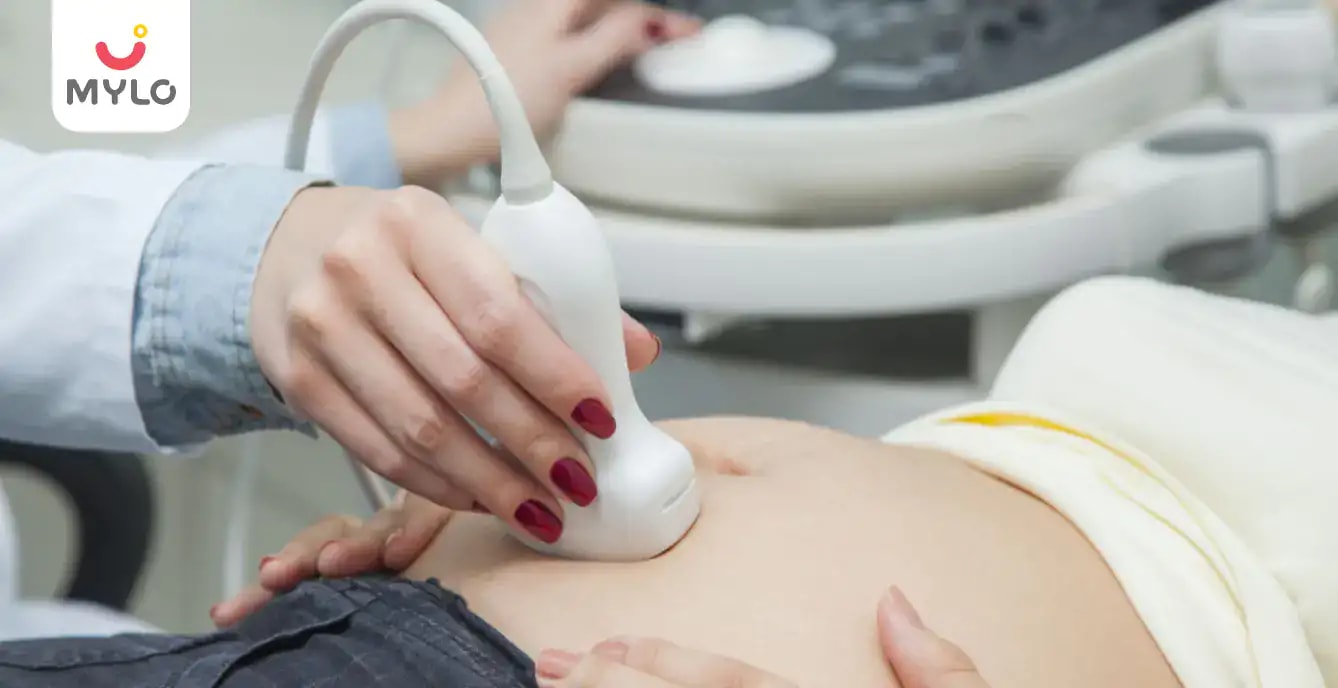
Apart from Biophysical, ultrasound examinations are also performed in nine months of pregnancy. These ultrasound scans examine fetal growth, check the conditions in-utero and look for anomalies or problems if there are any. Your doctor will also conduct blood tests during the pregnancy for various purposes.
The Bottom Line
We have mentioned the most common tests of pregnancy. The doctor will help you know better what more tests you and your baby require before the delivery. Be sure to ask any questions or doubts you may feel about these tests from your doctor. These tests are safe for you and your baby and are done to ensure that your pregnancy is progressing smoothly.
Article Posted Under
Related Articles


Medical Disclaimer
This content is for informational purposes only and should not replace professional medical advice. Consult with a physician or other health care professional if you have any concerns or questions about your health. If you rely on the information provided here, you do so solely at your own risk.


AWARDS AND RECOGNITION

Mylo wins Forbes D2C Disruptor award

Mylo wins The Economic Times Promising Brands 2022
AS SEEN IN













- Mylo Care: Effective and science-backed personal care and wellness solutions for a joyful you.
- Mylo Baby: Science-backed, gentle and effective personal care & hygiene range for your little one.
- Mylo Community: Trusted and empathetic community of 10mn+ parents and experts.


Product Categories
Baby Carrier | Baby Soap | Baby Wipes | Stretch Marks Cream | Baby Cream | Baby Shampoo | Baby Massage Oil | Baby Hair Oil | Stretch Marks Oil | Baby Body Wash | Baby Powder | Baby Lotion | Diaper Rash Cream | Newborn Diapers | Teether | Baby Kajal | Baby Diapers Pants | Cloth Diapers | Laundry Detergent | Lactation Granules |