


Orders

Profile

Understanding Follicular Study: A Comprehensive Guide to Female Fertility
 9 min
9 min

C-section & gynae problems · 4 years experience
As soon as a woman plans to conceive, she begins to pay attention to the tiniest of changes happening in her body. From tracking her menstrual cycle to determining her most fertile window, she begins to take a sudden interest in female fertility. One such medical tool that can help women on their journey to conception is follicular study.
Often recommended by healthcare professionals to track menstrual cycle, monitor follicle growth and evaluate the thickness of endometrium, a follicular study scan can help demystify the complexities of female fertility. So, let us understand in detail its procedure, findings and potential next steps.
What is a Follicular Study Scan?
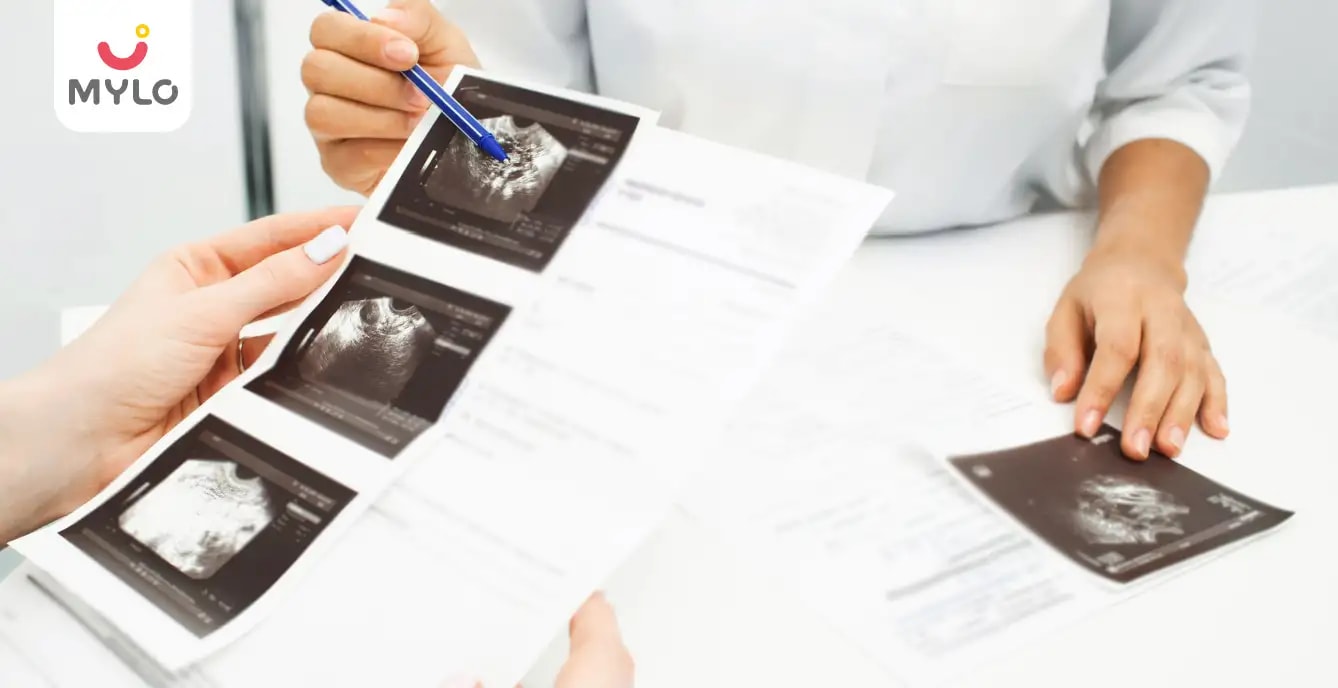
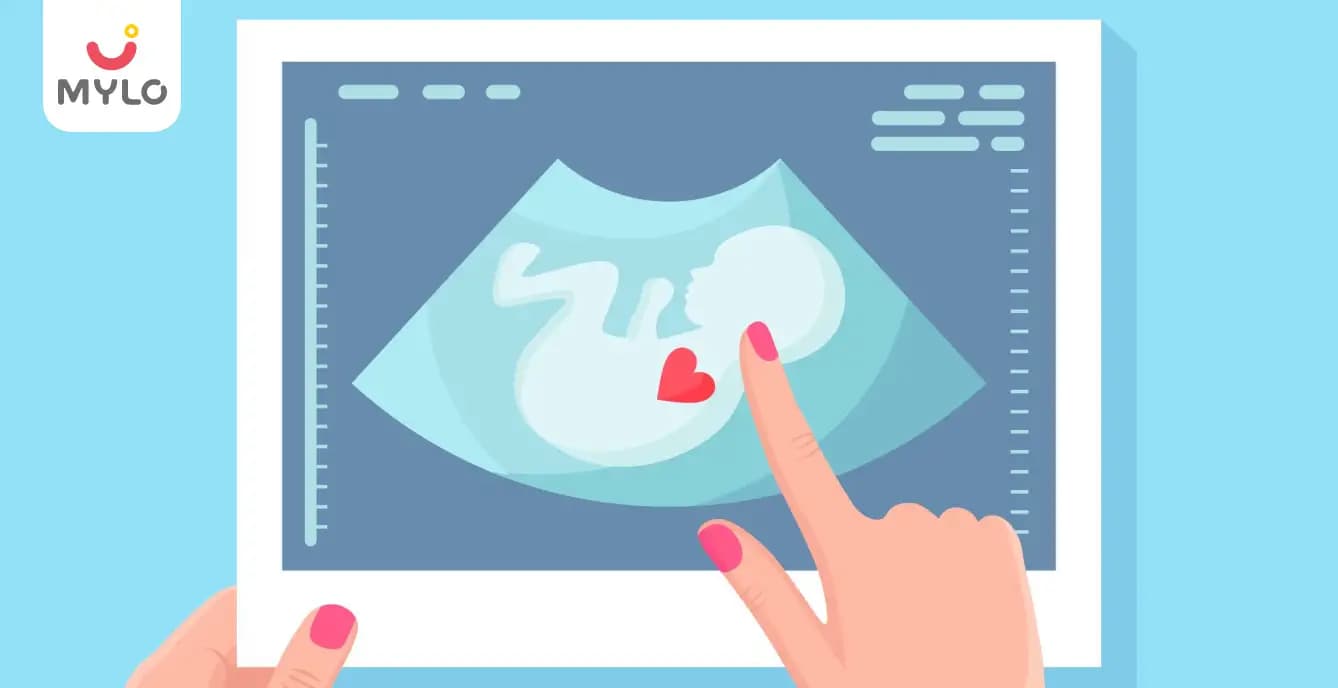
A follicular study is a specialized ultrasound examination that provides valuable insights into a woman's menstrual cycle and fertility. During this procedure, a trained healthcare professional uses ultrasound technology to monitor the ovaries' growth and development of follicles closely.
Follicles are tiny, fluid-filled sacs within the ovaries that contain immature eggs. By tracking the size and number of these follicles, the healthcare provider can determine when ovulation is likely to occur. This information is crucial for couples trying to conceive, as it helps identify the most fertile period and optimize the chances of successful fertilization.
In addition to monitoring follicle growth, the scan also evaluates the thickness of the uterine lining (endometrium) and checks for any structural issues that may affect fertility. Overall, the follicular study scan is valuable in assessing female fertility and guiding personalized treatment plans.
The Follicular Study Procedure
The follicular study procedure is a specialized ultrasound examination in a medical facility or fertility clinic. Here is a brief overview of the steps involved:
1. Baseline Scan
The first step is usually a baseline scan, performed at the beginning of your menstrual cycle (usually on Day 2 or 3). This scan provides a reference point for the healthcare provider to assess the initial status of your ovaries and uterus.
2. Subsequent Scans
Following the baseline scan, you will undergo a series of scans regularly throughout your menstrual cycle. These scans' exact timing and frequency will depend on your specific situation and treatment plan. Typically, scans are conducted every few days leading up to ovulation.
3. Ultrasound Examination
During each scan, you will lie on an examination table, and a trained sonographer or healthcare provider will use a small ultrasound probe (transducer) to perform the examination. The probe gently moves across your lower abdomen to visualize the ovaries and uterus.
4. Follicle Monitoring
The primary focus of the follicular study is to monitor the growth and development of follicles within the ovaries. The doctor will measure the size of the follicles and track their progress to determine the dominant follicle, which will most likely release an egg during ovulation.
5. Endometrial Assessment
Besides follicle monitoring, the procedure may also involve assessing the thickness and quality of the uterine lining (endometrium). This is important for determining its readiness to support embryo implantation.
6. Documentation and Analysis
The healthcare provider will document and analyze the findings from each scan. They will track the changes in follicle size, monitor the endometrial thickness, and identify any abnormalities or irregularities that may require further attention or intervention.
When is Follicular Study Done? - Frequency and Timing
The timing and frequency of follicular study scans are crucial for obtaining accurate and helpful information about a woman's fertility. Here's an overview of when the follicular study is typically done:
Frequency
-
The number of follicular study scans can vary depending on the specific situation and treatment plan.
-
Generally, multiple scans are conducted throughout a menstrual cycle to track the development of follicles and the uterine lining.
-
The number of scans may range from three to five, but it can be more or less depending on individual needs.
Timing
-
Baseline Scan: The first scan, known as the baseline scan, is performed at the beginning of the menstrual cycle, usually on Day 2 or 3.
-
Subsequent Scans: Additional scans are scheduled at regular intervals leading up to ovulation, typically every few days.
-
The timing of subsequent scans may vary based on factors such as the length of the menstrual cycle and the follicle growth rate.
Important Timing Considerations
-
The initial few scans establish a baseline and track the early stages of follicular development.
-
As the cycle progresses, the scans become more frequent to closely monitor the growth and maturation of the dominant follicle.
-
The timing of the final scan is crucial as it helps determine the optimal time for ovulation and the timing of intercourse or fertility treatments.
You may also like: Recurrent Implantation Failure in IVF
What Can Follicular Study Tell You About Your Fertility?
A follicular study scan is a valuable tool in assessing and monitoring female fertility. It provides crucial insights into the status of ovarian follicle development and the timing of ovulation. Here's what a follicular study can tell you about your fertility:
1. Follicle Growth
The study allows for the measurement and tracking of follicle growth, fluid-filled sacs in the ovaries containing eggs.
2. Dominant Follicle Identification
During each menstrual cycle, one follicle becomes dominant and matures, ready for ovulation. The follicular study helps identify this dominant follicle, essential for successful conception.
3. Ovulation Timing
By monitoring the growth and maturation of the dominant follicle, the study helps predict the timing of ovulation.
4. Endometrial Lining Evaluation
The study also assesses the thickness and quality of the endometrial lining, which is crucial for implantation and pregnancy.
5. Assessment of Ovarian Reserve
Follicular study scans can provide insights into a woman's ovarian reserve, which refers to the quantity and quality of her remaining eggs.
6. Monitoring Fertility Treatments
Follicular study plays a critical role for women undergoing fertility treatments like ovulation induction or assisted reproductive techniques. They help monitor follicle development, assess response to medication, and determine the optimal timing for procedures such as intrauterine insemination (IUI) or in vitro fertilization (IVF).
You may like: Everything You Need to Know About Conception Cycle
What are the Next Steps After Follicular Study?
It’s natural to wonder, after follicular study what are the next treatments taken. Depending on the specific findings and your fertility goals, here are some possible scenarios and the corresponding next steps:
1. Natural Conception
If the follicular study indicates that you are in the fertile window and have a mature follicle ready for ovulation, the next step is to plan intercourse during this time. Timing is crucial, so you should engage in sexual intercourse within the recommended timeframe to maximize the chances of conception.
2. Fertility Medications
In some cases, the follicular study may reveal suboptimal follicle development or irregular ovulation. Your healthcare provider may recommend fertility medications such as oral ovulation inductors (Clomid or Letrozole) or injectable gonadotropins to stimulate follicle growth and enhance ovulation.
3. Assisted Reproductive Techniques
If fertility medications alone do not yield the desired results or if there are underlying fertility issues, your healthcare provider may recommend assisted reproductive techniques. These may include intrauterine insemination (IUI) or in vitro fertilization (IVF).
4. Consultation with a Fertility Specialist
If you have been undergoing follicular studies without achieving successful conception or have concerns about your fertility, it may be beneficial to consult a fertility specialist. They can provide a comprehensive evaluation, discuss your options, and guide you through advanced fertility treatments if needed.
Alternatives to Follicular Study
The doctor may suggest the below-mentioned procedures in place of follicular study based on your condition and individual needs:
- Basal Body Temperature (BBT) charting involves tracking daily temperature to detect subtle changes indicating ovulation.
- Ovulation predictor kits (OPKs) use urine samples to identify the luteinizing hormone (LH) surge before ovulation occurs.
- Cervical mucus monitoring involves observing changes in vaginal discharge to determine fertile days.
- Hormone blood tests, such as progesterone levels, can help assess ovulation and hormonal balance.
- Hysterosalpingography (HSG) is a radiologic procedure that examines the fallopian tubes and uterus.
- Laparoscopy is a surgical procedure to visualize the pelvic organs and diagnose conditions affecting fertility.
FAQs
1. What is a Normal Follicular Study Range?
The dominant follicle measures 18-25 millimeters before ovulation and the endometrium should have a thickness of 8-12 millimeters in a normal follicular study range.
2. How does Follicular Study help in Conceiving?
The follicular study allows tracking the growth of follicles and measuring their size, indicating eggs' maturation and determining the optimal time for sexual intercourse or fertility treatments.
3. After Follicular Study What are the Next Treatments Taken?
Some possible next steps may include timed intercourse, ovulation induction, intrauterine insemination (IUI) and assisted reproductive technologies (ART).
Final Thoughts
In conclusion, understanding follicular study is crucial for women trying to conceive or assessing their fertility. By monitoring the growth and development of ovarian follicles, the study helps identify the optimal time for conception and guides subsequent fertility treatments. With this knowledge, individuals can take proactive steps toward realizing their dreams of starting or expanding their families.
References
1. DEBNATH, J., SATIJA, L., SURI, A., RASTOGI, V., DHAGAT, P., SHARMA, R., SINGH, H., & KHANNA, S. (2000). FOLLICULAR MONITORING: COMPARISON OF TRANSABDOMINAL AND TRANSVAGINAL SONOGRAPHY. Medical Journal Armed Forces India, 56(1), 3–6.
2. Komatsu, K., & Satoru Masubuchi. (2017). Observation of the dynamics of follicular development in the ovary. 16(1), 21–27.
 Yes
Yes
 No
No
Your parenting partner
in your pocket.
supportive community.

Your parenting partner
in your pocket.
supportive community.


Article Posted Under
Helpful Tools & Calculators
.webp&w=32&q=75)










Dr. Shruti Tanwar is well qualified and competent Obstetrician and Gynecologist with more than 4 years of experience. She is well updated and has worked and gained experience from the most prime institute of Delhi-Safdarjung Hospital. She has innate ability to listen and understand your problem and give detailed personalized advice and evidence-based treatment. She specializes in treatment for high-risk pregnancy, vaginal discharge, endometriosis, fibroids, ovarian cysts etc.
Related Articles
How to Lose Weight After Pregnancy: The Complete 2026 Guide for New Moms (Diet, Exercise and Real Results)
19 min 60+ Gen Z & Gen Alpha Slangs Indian Parents Must Know in 2026: A Complete Decoder Guide
18 min The Floor Toddlers Live on and Why Keeping It Clean and Safe Matters
5· 4 min
4 min Home Hygiene and the Importance of Clean Floors During Pregnancy
6·4 min
Questions about this article
- Asked when 38 weeks pregnant
Hello frnds..still no pain...doctor said head fix nhi hua hai..bt vagina me pain hai aur back pain bhi... anyone having same issues??
- Asked when 23 weeks pregnant
Kon kon c chije aisi hai jo pregnancy mei gas acidity jalan karti hain... Koi btayega plz bcz mujhe aksar khane ke baad hi samagh aata hai ki is chij se gas acidity jalan ho gyi hai. Please share your knowledge
- 14 weeks pregnant
I am 13 week pregnancy. Anyone having Storione-xt tablet. It better to have morning or night ???
- Asked when 10 weeks pregnant
Hlo to be moms....i hv a query...in my 9.5 wk i feel body joint pain like in ankle, knee, wrist, shoulder, toes....pain intensity is high...i cnt sleep....what should i do pls help....cn i cosult my doc.
- Asked when 33 weeks pregnant
Influenza and boostrix injection kisiko laga hai kya 8 month pregnancy me and q lagta hai ye plz reply me
Related Topics
.webp&w=32&q=75)
Recently Published Articles
Your body needs extra nutrition this trimester - these can help.
Congenital Heart Disease: Symptoms, Causes & Treatment

Postpartum Insomnia: Symptoms, Treatment & Tips For Relief

Erectile Dysfunction: What Causes It and How to Treat It
Top 7 Secrets of your baby's behavior

Breast Cancer: Types, Causes, Symptoms
Medical Disclaimer
This content is for informational purposes only and should not replace professional medical advice. Consult with a physician or other health care professional if you have any concerns or questions about your health. If you rely on the information provided here, you do so solely at your own risk.


AWARDS AND RECOGNITION

Mylo wins Forbes D2C Disruptor award

Mylo wins The Economic Times Promising Brands 2022
AS SEEN IN












- Mylo Care: Effective and science-backed personal care and wellness solutions for a joyful you.
- Mylo Baby: Science-backed, gentle and effective personal care & hygiene range for your little one.
- Mylo Community: Trusted and empathetic community of 10mn+ parents and experts.


Product Categories
Baby Carrier | Baby Soap | Baby Wipes | Stretch Marks Cream | Baby Cream | Baby Shampoo | Baby Massage Oil | Baby Hair Oil | Stretch Marks Oil | Baby Body Wash | Baby Powder | Baby Lotion | Diaper Rash Cream | Newborn Diapers | Teether | Baby Kajal | Baby Diapers Pants | Cloth Diapers | Laundry Detergent | Lactation Granules |