


Orders

Profile

Home

Pregnancy Best Foods
Plum (Aloo Bukhara) in Pregnancy: Benefits, Risks & Recipes
In this Article
Pregnancy Best Foods
Plum (Aloo Bukhara) in Pregnancy: Benefits, Risks & Recipes
Updated on 24 April 2026


Medically Reviewed by
Palak Mittal
clinical nutrition - M.Sc in Food & Nutrition| Post Graduation Diploma in Dietetics
View Profile

Pregnancy is a beautiful and transformative time in a woman's life, but it can also be a time of uncertainty and apprehension. As an expectant mother, you want to ensure that you are doing everything you can to provide the best possible environment for your growing baby. One food that has gained attention for its potential benefits is plum in pregnancy. This sweet and juicy fruit is packed with vitamins and minerals, but what are its risks and side effects?
In this article, we will explore the benefits, risks, and side effects of consuming plum during pregnancy, so that you can make informed decisions about your diet and the health of your baby.
What are plums and are they good during pregnancy?
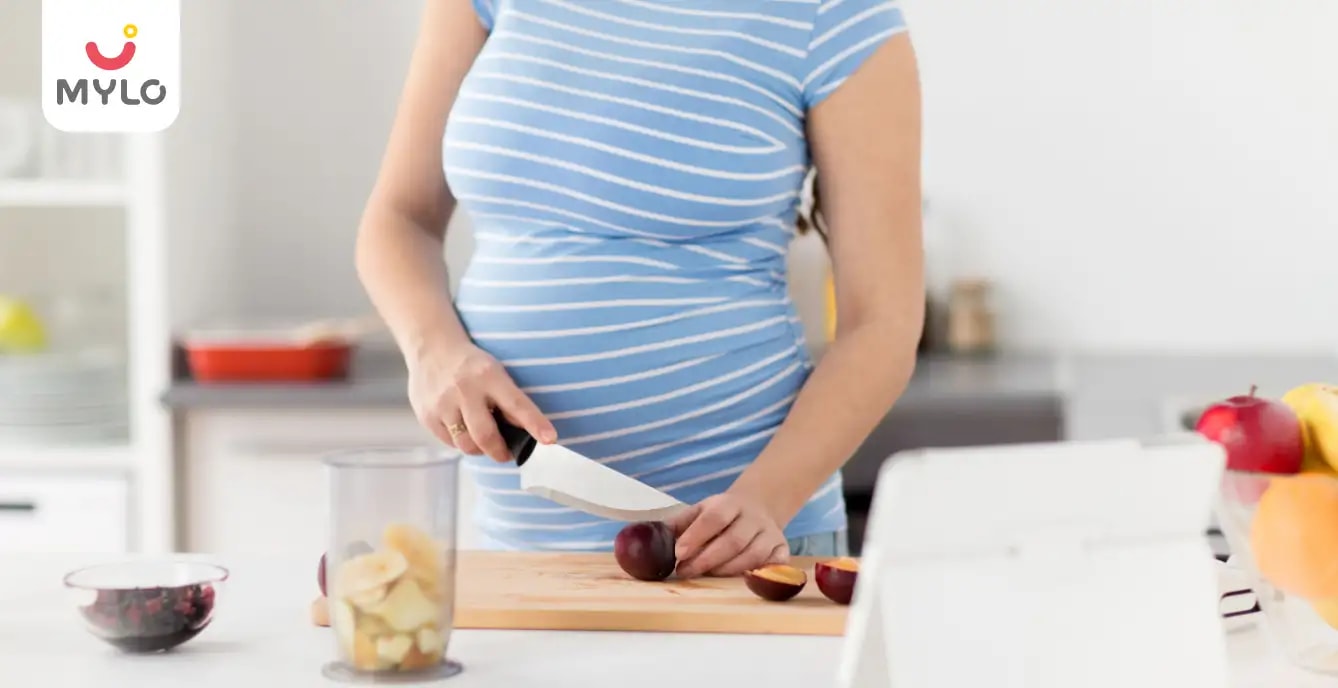
Plums (aloo bukhara) are juicy stone fruits from the Prunus genus, available in red, purple, and yellow varieties. Rich in vitamin C, vitamin K, fibre, and antioxidants, plums contain just 46 calories per 100g. They are widely grown in India's Himachal and Kashmir regions and are a healthy, nutrient-dense fruit choice for pregnant women.
Plum is a member of the same family as the peach, the nectarine, and the apricot. However, plums have a wider variety of cultivars than their stone-fruit relatives. They come in many shapes and sizes, with skin colours like red, purple, green, yellow, and orange and flesh colours like pink, yellow, and orange. There are numerous benefits of plums in pregnancy.
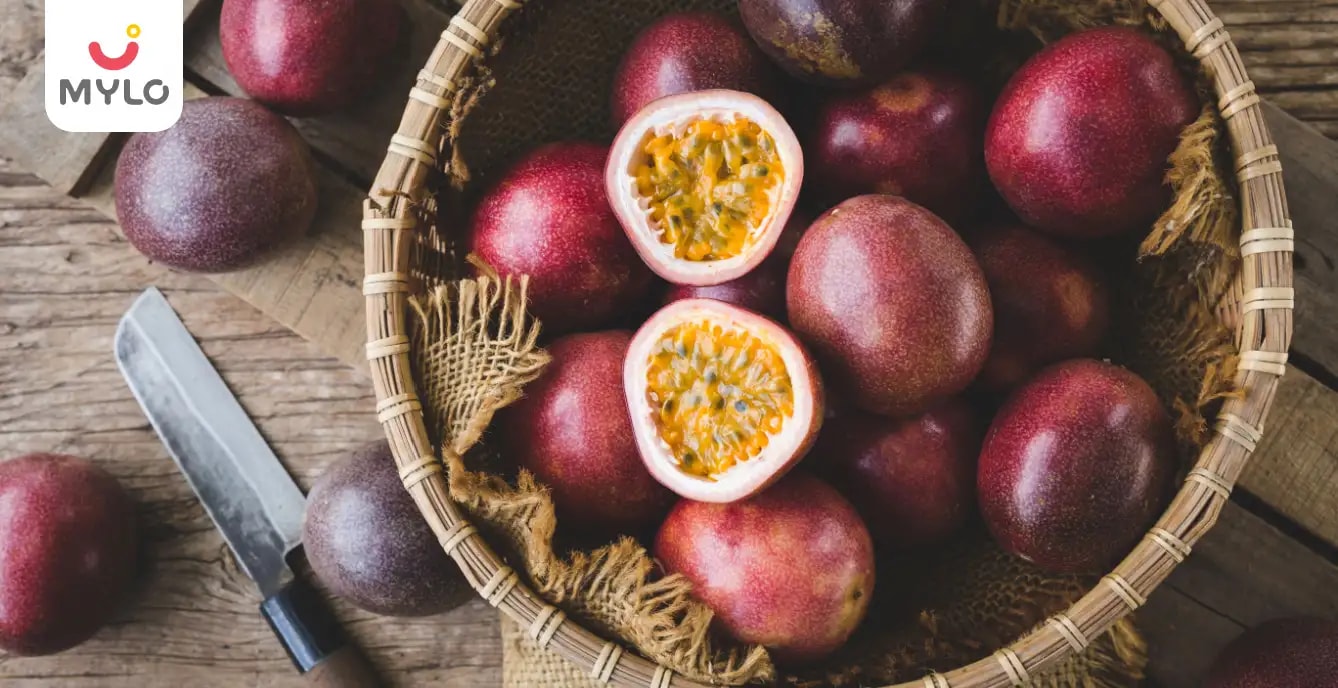
You may also like: Passion Fruit During Pregnancy: Benefits & Side Effects
Is it safe to eat plums during pregnancy?
Yes, plums are safe and beneficial during pregnancy when eaten in moderation, about 2-3 plums per day. They provide 9.5mg vitamin C, 6.4mcg vitamin K, and 1.4g fibre per fruit, supporting immunity, bone development, and digestion. Always wash plums thoroughly and avoid overripe ones to prevent stomach upset or foodborne infection.
If you're wondering, can we eat plum during pregnancy, then, yes, you can. Plums are a safe and nutritious addition to a well-balanced pregnancy diet. They are rich in various essential nutrients like potassium, phosphorus, vitamins A and C, fiber, and antioxidants. Pregnant women should aim to consume five to seven servings of fresh fruits daily, with two plums considered one serving.
However, excessive consumption may aggravate blood sugar issues, and women who are prone to kidney stones should avoid them. Pregnant women should eat fresh plums instead of dried ones for better nutrient content.
What are the health benefits of eating plums during pregnancy?
Plums offer seven pregnancy benefits: vitamin C boosts iron absorption and immunity, fibre eases constipation, vitamin K supports blood clotting, potassium prevents leg cramps, antioxidants reduce oxidative stress, natural sugars fight fatigue, and low calories aid healthy weight gain. Just 2 plums daily can keep haemoglobin stable and support fetal bone development during the second trimester.
There are several plum fruit benefits during pregnancy including benefits of plums during pregnancy first trimester:
1. Helps fight anaemia
Most pregnant women experience some form of anaemia, but iron deficiency anaemia is more common. Eating iron-rich meals like plum during pregnancy can help stave off this illness. Plums are beneficial to eat during pregnancy because they contain iron, which can produce new blood cells. Eat them regularly to ward off anaemia.
2. Helps with constipation
Plums are great for your digestive health because of the high fibre content they contain. This fruit has been shown to have a laxative effect, easing the symptoms of constipation by encouraging the smooth passage of stool through the digestive system.
3. Prevents preterm labor
Plums are rich in magnesium and because magnesium aids in the relaxing of cervical muscles, eating plums in pregnancy may reduce the likelihood of premature contractions and delivery.
4. Strengthens the bones
Vitamin A, which is abundant in plums, has been shown to promote healthy bone growth and development. Plus, plums have the minerals and vitamins necessary for strong bones, including potassium, vitamin K, calcium, and phosphorus.
5. Reduces anxiety and fatigue
Pregnancy-related stress and exhaustion are common concerns. Plums include vitamins, minerals, and antioxidants that work together to support various biological processes and increase energy, which can mitigate negative side effects.
How many plums can a pregnant woman safely eat per day?
Pregnant women can safely eat 2 to 3 fresh plums per day, or about 5-6 prunes (dried plums). Exceeding this amount may cause diarrhoea, bloating, or blood sugar spikes due to natural sorbitol and fructose content. Spread intake across the day, pair with other fruits, and consult your obstetrician if you have gestational diabetes before increasing servings.
A pregnant woman can safely consume between 150 to 200 gms of fresh plum during pregnancy every day i.e. 2 to 3 plums. You should eat fresh plums exclusively, not dried ones, and in moderation. Plums are tasty and healthy but eating too many of them at once can cause some unpleasant effects.
What are the risks of eating plums during pregnancy?
Eating too many plums during pregnancy can trigger diarrhoea due to sorbitol, a natural laxative. High oxalate content may worsen kidney stones, and the fruit's sugar level can raise blood glucose in gestational diabetes. Unwashed plums also carry listeria and pesticide risks. Limit intake to 2-3 plums daily and always rinse under running water before eating.
Eating plums during pregnancy can have risks, especially for women who have or had kidney stones, due to the oxalate content in plums. It is advised that such women avoid eating plums during pregnancy. Additionally, swallowing the pit of a plum can cause injury or choking, so it's important to remove it before consuming the fruit.
However, plums can be a good source of nutrients such as potassium, magnesium, calcium, vitamins A and C, and can provide various benefits during pregnancy when consumed in moderation.
You may also like: Cherry in Pregnancy: Benefits & Side Effects
What are the side effects of eating too many plums during pregnancy?
Overeating plums during pregnancy may cause loose stools, stomach cramps, acidity, and excessive weight gain. The high fibre and sorbitol can lead to dehydration through diarrhoea. Some mothers also report allergic reactions like itching or hives. Stick to 2-3 plums a day, avoid plums on an empty stomach, and stop if you notice digestive discomfort.
Actually, there are no known side effects of eating plum for pregnancy. In fact, plums are considered safe and beneficial for pregnant women, as they are rich in nutrients that can help fight anaemia, constipation, and fatigue, prevent preterm labor, and strengthen bones.
However, pregnant women with kidney problems should avoid plums due to their link to kidney stone production. Also, it is important to be cautious not to swallow the pit and to avoid crushing or chewing it due to the presence of cyanide.
Why do pregnant women crave plums?
A plum craving during pregnancy often signals your body needs extra vitamin C, iron, or hydration. Hormonal surges of hCG and estrogen heighten sensitivity to tangy, sour flavours, especially in the first trimester. Plums' tart taste also eases nausea. Indulge the craving moderately, 2-3 plums a day, and pair with curd or chaat masala for extra flavour.
Although there is no conclusive evidence, some theories suggest that pregnant women may crave plums due to hormonal changes or a deficiency in vitamin C. However, cravings for plums or any other fruit during pregnancy are normal and harmless.
What are safe ways to eat plums during pregnancy?
Enjoy plums safely by washing them under running water for 20 seconds to remove pesticides. Eat them fresh and ripe, add to smoothies, mix into curd, or slice into fruit chaat. Avoid unpasteurised plum juice, canned plums in syrup, and overripe fruit. Dried prunes (5-6 pieces) are also safe and excellent for easing pregnancy constipation.
Here are some delicious and safe ways to eat plums and reap plum fruit benefits during pregnancy:
- Always wash plums before eating or using them in a recipe.
- Blend plums into a sauce. Plum sauce goes well with toast, pancakes, and waffles
- Combine plums with berries like blueberries, strawberries, or raspberries for a delicious salad. Adding mint and honey can improve the flavour.
- Plums are a nutritious addition to a bowl of cereal or a trail mix for breakfast.
- Enjoy a delicious drink by blending fresh plums.
- This fruit can also be used to make jams and jellies.
- Plums, when used in moderation, may be a wonderful and beneficial part of a healthy pregnancy diet.
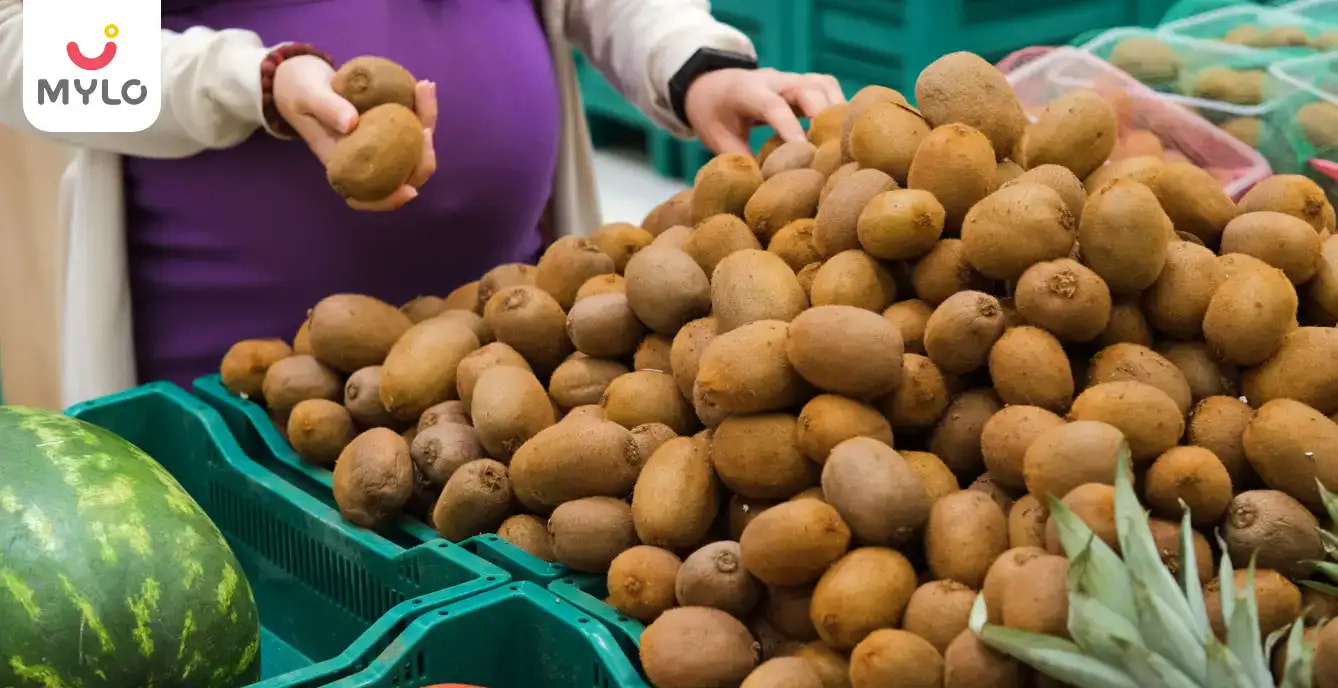
You may also like: Benefits of Eating Kiwi Fruit During Pregnancy
Frequently asked questions
1. What are the benefits of black plum during pregnancy?
Magnesium (mg), which is found in black plums (also known as Jamun), is crucial in preventing preterm births. It also aids in fetal growth and development.
2. Can I eat plums every day while pregnant?
As long as your doctor doesn't object to it, you can eat plums every day. Just make mix and match them with a variety of other fruits and give a gap every now and then to minimise your risk of kidney stones.
Final thoughts
In conclusion, plum in pregnancy can be a healthy addition to your diet. They are packed with nutrients such as fiber, vitamins, and minerals that are essential for a healthy pregnancy. However, it is important to consume them in moderation and to consult with a healthcare professional before making any significant changes to your diet during pregnancy. With the right precautions and a balanced diet, plums can be a tasty and nutritious snack for expectant mothers.
References
1. Monsefi M, Parvin F, Farzaneh M. (2013). Effects of plum extract on skeletal system of fetal and newborn mice. Med Princ Pract.
2. Igwe EO, Charlton KE. (2016). A Systematic Review on the Health Effects of Plums (Prunus domestica and Prunus salicina). Phytother Res.
Tags
Is plum safe in first trimester?
Yes, plums are safe and beneficial in all trimesters. Rich in folate which is critical in first trimester.
How many plums per day during pregnancy?
2-3 medium plums per day is safe. Excess may cause diarrhea due to high fibre content.
Are dried plums (prunes) safe in pregnancy?
Yes, prunes help with constipation. Limit to 3-4 per day to avoid excess sugar intake.
Can plum cause miscarriage?
No scientific evidence links plums to miscarriage. They are considered safe throughout pregnancy.
Is aloo bukhara good for pregnancy?
Yes, aloo bukhara (Indian plum) is rich in iron and helps prevent pregnancy anaemia.
 Yes
Yes
 No
No
Medically Reviewed by
Palak Mittal
clinical nutrition - M.Sc in Food & Nutrition| Post Graduation Diploma in Dietetics
View Profile

Written by
Mylo Care
Happiness starts with you!
Read MoreGet baby's diet chart, and growth tips
Related Articles

Related Questions
Hello frnds..still no pain...doctor said head fix nhi hua hai..bt vagina me pain hai aur back pain bhi... anyone having same issues??

Kon kon c chije aisi hai jo pregnancy mei gas acidity jalan karti hain... Koi btayega plz bcz mujhe aksar khane ke baad hi samagh aata hai ki is chij se gas acidity jalan ho gyi hai. Please share your knowledge
I am 13 week pregnancy. Anyone having Storione-xt tablet. It better to have morning or night ???
Hlo to be moms....i hv a query...in my 9.5 wk i feel body joint pain like in ankle, knee, wrist, shoulder, toes....pain intensity is high...i cnt sleep....what should i do pls help....cn i cosult my doc.
Influenza and boostrix injection kisiko laga hai kya 8 month pregnancy me and q lagta hai ye plz reply me
RECENTLY PUBLISHED ARTICLES
our most recent articles
Pregnancy Best Foods
Corn During Pregnancy: Is It Safe? Benefits, Risks & How Much to Eat

Announcements & Celebrations
100+ Newborn Baby Wishes, Messages & Congratulations (2026)

Growth Charts
Baby Growth Stages: Month-by-Month Development Guide (0-12 Months)
TV & OTT
Underrated Web Series to Watch - Mom Squad's Hidden Gems
Best Prime Video Crime Series in India - Mom's Guide
TV & OTT
Most Awaited OTT Series - A Mom's Upcoming Watchlist
- Best Netflix Thriller Series for Moms Who Love a Good Scare
- Best Netflix Series in India - Mom-Ranked Binge Guide
- Top 10 Thriller Movies on Netflix 2023 - Moms' Catch-Up Picks
- Top 10 Action Movies on Netflix 2023 - A Mom's Catch-Up List
- 10 Best Netflix Movies of 2023 Moms Are Still Streaming
- Top 10 Bollywood Movies of 2022 - Still Worth Watching for Moms
- Top 10 Hindi Movies on Hotstar - A Mom's Picks
- Best Bollywood Movies on Amazon Prime - Mom's Picks
- Best Action Movies on Amazon Prime for Mom's Me-Time
- 10 Best Animated Movies for Kids on Hotstar (Mom-Approved List)
- Trending Human-Story Web Series on Hotstar Moms Are Watching
- Top 10 Movies on Hotstar Premium - Mom's Must-Watch List
- 10 Hollywood Movies on Hotstar Worth a Mom's Me-Time
- 10 Best Hindi Web Series on Hotstar - Mom-Tested


AWARDS AND RECOGNITION

Mylo wins Forbes D2C Disruptor award

Mylo wins The Economic Times Promising Brands 2022
AS SEEN IN












- Mylo Care: Effective and science-backed personal care and wellness solutions for a joyful you.
- Mylo Baby: Science-backed, gentle and effective personal care & hygiene range for your little one.
- Mylo Community: Trusted and empathetic community of 10mn+ parents and experts.


Product Categories
Baby Carrier | Baby Soap | Baby Wipes | Stretch Marks Cream | Baby Cream | Baby Shampoo | Baby Massage Oil | Baby Hair Oil | Stretch Marks Oil | Baby Body Wash | Baby Powder | Baby Lotion | Diaper Rash Cream | Newborn Diapers | Teether | Baby Kajal | Baby Diapers Pants | Cloth Diapers | Laundry Detergent | Lactation Granules |