


Orders
.png&w=48&q=75 "login")
Profile


Wallet

Placenta Position: How It Affects Your Pregnancy and Delivery
 59 Likes|
 7 min
7 minAI-Generated Summary
Quick overview in 30 seconds.webp&w=32&q=75)
Summary
- The placenta is a vital lifeline between mother and baby, and its position in the uterus, whether anterior, posterior, or low-lying, can significantly affect pregnancy and delivery outcomes.
- Factors like uterine shape, previous cesarean sections, multiple pregnancies, advanced maternal age, and smoking can influence placenta position and increase risks of complications like placenta previa.
- An abnormal placenta position may lead to bleeding, preterm labor, cesarean delivery, placental abruption, fetal growth restriction, and postpartum hemorrhage, requiring close monitoring throughout pregnancy.
- Looking for trusted prenatal care essentials for your journey? Explore our Pregnancy Massage Oil + Coconut Oil - 200 ml each.

 4.4
4.4 4.1
4.1The placenta, a remarkable organ, acts as a lifeline between the mother and her developing baby during pregnancy. Positioned within the womb, this vital connection facilitates the exchange of essential nutrients and oxygen, ensuring the baby's growth and well-being. However, the placenta position can have a significant impact on the health of both the mother and the baby throughout pregnancy.
In this article, we will explore the different positions of the placenta, understand how it can influence the journey of pregnancy and delivery and find out which placenta position is best for normal delivery.
What Is a Normal Placenta Position?
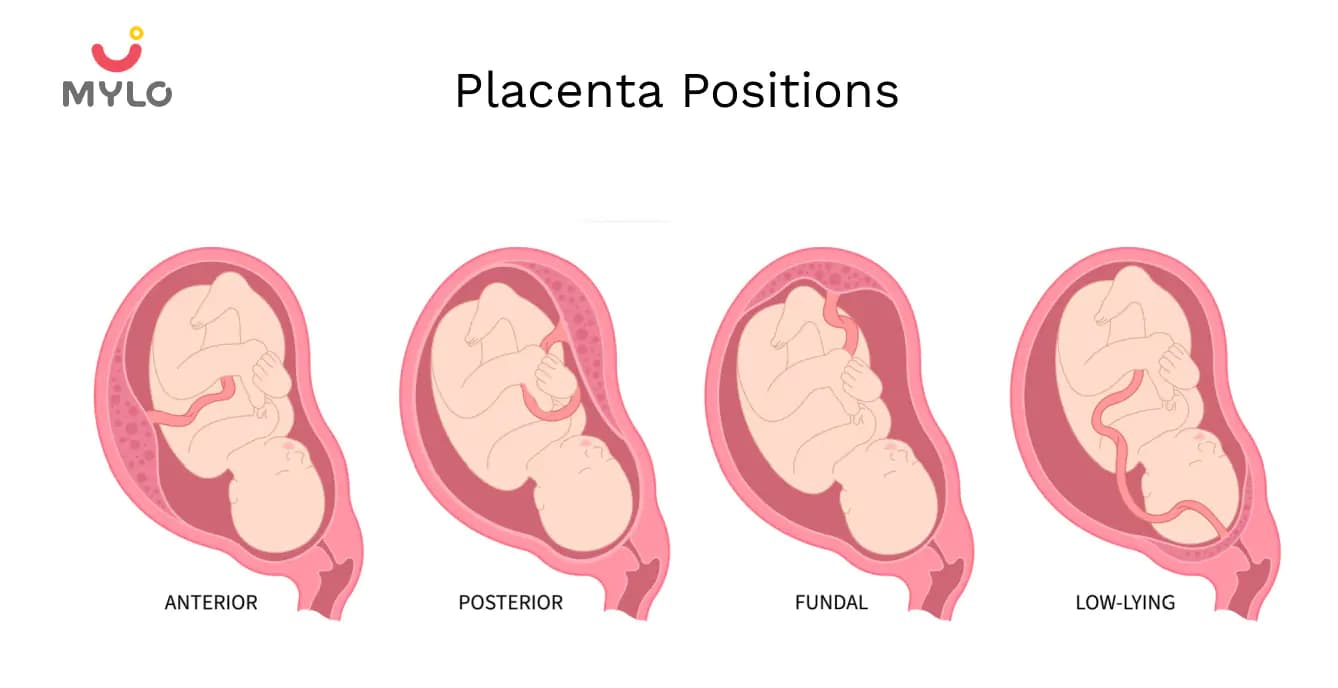
A normal position refers to the location of the placenta within the uterus. In most pregnancies, the placenta attaches to the uterine wall and is positioned either on the front (anterior) or back (posterior) wall of the uterus. This is considered a normal position for the placenta and does not pose any significant risks to the pregnancy or delivery.
However, in some cases, the placenta may implant in an abnormal position. For instance, it could attach too low in the uterus, partially or completely covering the cervix. This condition is known as placenta previa and can lead to complications during pregnancy and delivery.
You may also like : Placenta: What is Placenta and How Does it Work?
What are the Factors Affecting Placenta Position in Pregnancy?
Several factors can influence the position of the placenta during pregnancy. Understanding these factors can help expectant mothers and healthcare providers anticipate potential complications and provide appropriate care. Here are five key factors that can affect the position of your placenta during pregnancy:
1. Uterine shape
The shape of the uterus can impact where the placenta attaches. Irregularly shaped or abnormally tilted uteruses may increase the likelihood of the placenta implanting in an abnormal position.
2. Previous cesarean sections
Women who have had previous cesarean sections are more likely to have a placenta that implants in an abnormal position. This is because scar tissue from the previous incisions can interfere with the normal attachment of the placenta.
3. Multiple pregnancies
In cases of multiple pregnancies, such as twins or triplets, the position of the placenta can be affected. The placenta may implant in different locations for each fetus, leading to variations in placenta position.
4. Maternal age
Advanced maternal age has been associated with an increased risk of placenta previa, where the placenta partially or completely covers the cervix. This condition requires careful monitoring throughout pregnancy.
5. Smoking
Smoking during pregnancy has been linked to a higher risk of placenta previa. It is advisable for expectant mothers to quit smoking to reduce the chances of placenta-related complications.
You may also like : Placenta Abruption: Causes, Symptoms and Treatment
Which Placental Position Is Best for Normal Delivery?
The best placenta position for normal delivery is when the placenta is located away from the cervix and does not cover it. This allows for a smooth progression of labor and a vaginal delivery. When the placenta is positioned correctly, it minimizes the risk of bleeding and other complications during childbirth.
However, each pregnancy is unique, and the position of the placenta can vary. In some cases, the placenta may be located near or partially covering the cervix, which can increase the risk of bleeding and necessitate a cesarean delivery. Healthcare providers closely monitor the placenta throughout pregnancy to determine the best course of action for a safe delivery.
You may also like : Low Lying Placenta Precautions: How to Protect Yourself and Your Baby
How Does the Placenta Position Affect Pregnancy and Delivery?
The position of the placenta can have significant effects on both the mother and the developing baby throughout pregnancy. Here are seven ways in which it can impact pregnancy and delivery:
1. Bleeding
Placenta previa, where the placenta partially or completely covers the cervix, can lead to bleeding during pregnancy. This requires close monitoring and may necessitate medical intervention.
2. Preterm labor
Certain positions, such as a low-lying placenta, can increase the risk of preterm labor. Healthcare providers will closely monitor the position of the placenta to prevent premature birth.
3. Cesarean delivery
Placenta previa and other abnormal placenta positions often require a cesarean delivery instead of a vaginal birth. This decision is made to ensure the safety of both the mother and the baby.
4. Placental abruption
Placental abruption occurs when the placenta separates from the uterine wall before delivery. Certain positions, such as a posterior position, can increase the risk of placental abruption.
5. Fetal growth restriction
An abnormal placenta position can restrict the flow of nutrients and oxygen to the developing baby, leading to fetal growth restriction. Regular monitoring and appropriate medical interventions are necessary in such cases.
6. Increased monitoring
Women with abnormal positions of the placenta require more frequent prenatal visits and ultrasounds to monitor the baby's growth and ensure the placenta is functioning properly.
7. Postpartum hemorrhage
Placenta previa and other abnormal positions can increase the risk of postpartum hemorrhage, which is excessive bleeding after delivery. Close monitoring and medical interventions are essential to address this potential complication.
Does Placenta Position Change?
In some cases, the position of the placenta can change during pregnancy. As the uterus expands and grows, the placenta may shift to a different location. This change in placenta position can occur naturally and is often not a cause for concern.
However, if the placenta is initially positioned abnormally, it is less likely to correct itself and move to a normal position. Healthcare providers will closely monitor the placenta throughout pregnancy to ensure a safe outcome for both the mother and the baby.
You may also like : A Comprehensive Guide to Understanding Placenta Accreta
Tips for Achieving a Normal Placenta Position
While the position of the placenta is largely influenced by factors beyond an expectant mother's control, there are some measures that can be taken to promote a normal position of the placenta:
1. Maintain a healthy lifestyle
Eating a balanced diet, exercising regularly, and avoiding harmful substances such as smoking and excessive alcohol consumption can contribute to a healthy placenta position in pregnancy.
2. Attend regular prenatal check-ups
Regular prenatal check-ups with healthcare providers are essential to monitor the position of the placenta and address any potential concerns.
3. Manage previous cesarean sections
If you have had previous cesarean sections, discuss the potential impact on position of the placenta with your healthcare provider. They can provide guidance on managing any associated risks.
4. Avoid unnecessary interventions
Minimizing unnecessary interventions during pregnancy, such as multiple ultrasounds or invasive procedures, can reduce the risk of placenta-related complications.
5. Stay informed
Educate yourself about the importance of placental position and its impact on pregnancy and delivery. This knowledge will empower you to make informed decisions and seek appropriate medical care.
You may also like : Eating Placenta: Is it Safe or Not
Final Thoughts
The placenta position is a critical aspect of a healthy pregnancy and successful delivery. By following the tips mentioned and maintaining regular prenatal care, you can increase the chances of achieving a normal placenta position and ensure the well-being of both you and your baby. Remember to consult with your healthcare provider for personalized guidance throughout your pregnancy journey.
References
1. Zia S. Placental location and pregnancy outcome. (2013). J Turk Ger Gynecol Assoc.
2. Jansen CHJR, Kastelein AW, Kleinrouweler CE, Van Leeuwen E, De Jong KH, Pajkrt E, Van Noorden CJF. (2020). Development of placental abnormalities in location and anatomy. Acta Obstet Gynecol Scand.
Trusted by Mamas Navigating Every Pregnancy Milestone
From prenatal nutrition to gentle care, these essentials support a healthy pregnancy journey alongside regular check-ups.
Organic Aloe Vera (300 ml)
Nurtures Skin & Hair | Reduces Suntan | Soothes Burns | Enhances Hair Resilience



Baby Wellness Kit | Skincare Gift Set for Newborns


Article Posted Under
Related Articles
Pregnancy Test Positive or Negative? How to Read Your Result Correctly (2026 Guide)
 15 min
 Pregnancy Test Positive or Negative? How to Read Your Result Correctly (2026 Guide)
 14 min
 Craving Something Sweet? Guilt-Free Diskette Desserts (Kheer, Ladoo and No-Bake Bites)
 11 min
 Homemade Kajal vs Store-Bought: The Honest Truth (Dadi, Read This)
 12 min
Related Topics
.webp&w=32&q=75)
Medical Disclaimer
This content is for informational purposes only and should not replace professional medical advice. Consult with a physician or other health care professional if you have any concerns or questions about your health. If you rely on the information provided here, you do so solely at your own risk.


AWARDS AND RECOGNITION

Mylo wins Forbes D2C Disruptor award

Mylo wins The Economic Times Promising Brands 2022
AS SEEN IN












- Mylo Care: Effective and science-backed personal care and wellness solutions for a joyful you.
- Mylo Baby: Science-backed, gentle and effective personal care & hygiene range for your little one.
- Mylo Community: Trusted and empathetic community of 10mn+ parents and experts.


Product Categories
Baby Carrier | Baby Soap | Baby Wipes | Stretch Marks Cream | Baby Cream | Baby Shampoo | Baby Massage Oil | Baby Hair Oil | Stretch Marks Oil | Baby Body Wash | Baby Powder | Baby Lotion | Diaper Rash Cream | Newborn Diapers | Teether | Baby Kajal | Baby Diapers Pants | Cloth Diapers | Laundry Detergent | Lactation Granules |