


Orders
.png&w=48&q=75 "login")
Profile


Wallet

PCOS Tests: The Power of Diagnostic Tests in Your Health Journey
.webp&w=96&q=75)

MBBS, MS (OBS & Gynae) · 4 years experience
 7 min
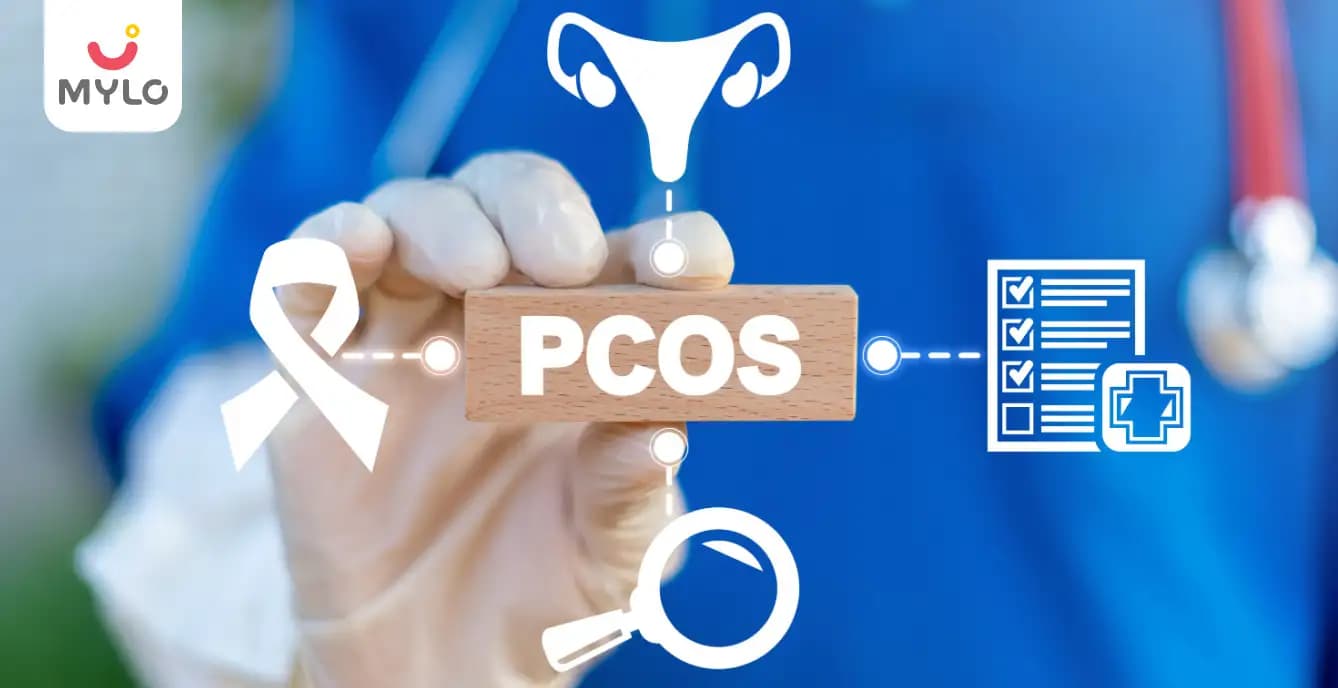
7 minIn today's fast-paced world, our health often takes a backseat amidst the chaos of our daily lives. When it comes to women's health, one condition that often goes undiagnosed and untreated is Polycystic Ovary Syndrome (PCOS). In this article, we will understand how PCOS tests can aid in an early diagnosis of this condition, how to prepare for them and how to interpret their results.
How to Know If You Have PCOS?
How do I know if I have PCOS has become a common question among women noticing PCOS symptoms. To determine if you have PCOS, you should consult with a healthcare professional who will evaluate your symptoms and conduct certain tests. The diagnostic process typically involves a comprehensive medical history review, physical examination, and laboratory tests.
These tests may include blood tests to measure hormone levels, an ultrasound to check for cysts on the ovaries, and sometimes a pelvic exam. It's important to remember that only a healthcare professional can provide a definitive diagnosis of PCOS.
What Tests are Done to Diagnose PCOS?
When it comes to diagnosing PCOS, several tests are employed to assess hormone levels, evaluate physical symptoms, and rule out other conditions. The primary tests used to diagnose PCOS include:
1. Hormone Tests
Blood tests are conducted to measure hormone levels, including testosterone, luteinizing hormone (LH), follicle-stimulating hormone (FSH), and insulin. These tests help identify hormonal imbalances that are characteristic of PCOS.
2. Ultrasound
A transvaginal ultrasound is performed to examine the ovaries for the presence of multiple small cysts. This imaging test helps in confirming the diagnosis of PCOS.
3. Physical Examination
The doctor may conduct a physical examination to assess signs of PCOS such as excessive hair growth, acne, and skin discoloration.
You may like : PCOS Food List: Your Guide to Eating Smart with PCOS
How to Prepare for PCOS Profile Test?
If your doctor recommends a PCOS profile or panel test, it is essential to prepare adequately to ensure accurate results. Here are some important steps to follow before undergoing the test:
1. Consultation with the Doctor
Schedule a consultation with your doctor to discuss the test and any concerns you may have. They will provide specific instructions based on your medical history and current medications.
2. Fasting
Some PCOS panel tests require fasting before the blood draw. Typically, you will be advised to fast for at least 8-12 hours before the test. This ensures that the results are not influenced by recent food intake.
3. Medication Review
Inform your doctor about any medications or supplements you are currently taking. Certain medications can affect the test results, so your doctor may advise you to temporarily discontinue them.
Can PCOS Blood Test Timing Affect the Results?
The timing of a PCOS blood test can indeed impact the results, particularly for hormone levels. It is recommended to schedule the test during the follicular phase of your menstrual cycle, which is usually between days 2 and 5. This phase is characterized by low hormone levels and provides a more accurate baseline for hormone evaluation.
If the blood test is performed during other phases of the menstrual cycle, such as the luteal phase, the hormone levels may be higher and could lead to a misdiagnosis or inaccurate interpretation. Therefore, timing plays a crucial role in obtaining reliable results from blood tests.
You may like: How to Get Regular Periods in PCOS: A Comprehensive Guide for Women
What Should Be the Ideal Results of Hormone Test for PCOS?
When it comes to hormone tests for PCOS, ideal results can vary depending on the specific hormone being measured. Here are some general guidelines for hormone levels in PCOS diagnosis:
1. Testosterone
Elevated levels of testosterone are commonly observed in women with PCOS. The ideal range for testosterone levels is typically less than 55 ng/dL.
2. LH and FSH
Women with PCOS often have a higher LH to FSH ratio. A ratio of 2:1 or greater is suggestive of PCOS.
3. Insulin
Insulin resistance is a common feature of PCOS. Elevated fasting insulin levels or an abnormal glucose tolerance test may indicate insulin resistance.
It is important to note that these levels may vary depending on the laboratory reference ranges. Interpretation should always be done in consultation with a healthcare professional.
You may also like: Inositol for PCOS: How This Supplement Can Help Regulate Your Hormones
Besides PCOS Blood Test, What Other PCOS Test Can the Doctor Recommend?
Apart from blood tests and ultrasound, your doctor may recommend additional tests to gain a comprehensive understanding of your condition and rule out other potential causes of your symptoms. Some of these additional tests may include:
1. Glucose Tolerance Test
This test helps to assess insulin resistance and blood sugar control. It involves consuming a sugary drink and monitoring blood sugar levels over a period of time.
2. Thyroid Function Tests
Thyroid disorders often coexist with PCOS. Testing thyroid-stimulating hormone (TSH), free thyroxine (FT4), and thyroid antibodies can help detect any abnormalities.
3. Lipid Profile
PCOS is associated with an increased risk of cardiovascular disease. A lipid profile test measures cholesterol and triglyceride levels to assess cardiovascular health.
You may also like: PCOD Problem After Marriage: Debunking Common Misconceptions and Finding Solutions
FAQs
1. How much does PCOS test cost?
The cost can vary depending on factors such as the type of test, location, and healthcare provider. Generally, the cost can range from Rs 1,500 to Rs 2,500. It is advisable to check with your insurance provider to determine coverage and out-of-pocket expenses.
2. Is PCOS test done during periods?
In most cases, hormone test for PCOS and ultrasound can be performed regardless of the menstrual cycle phase. However, for more accurate hormone evaluation, it is recommended to schedule blood tests during the early follicular phase (days 2-5) of the menstrual cycle.
3. Which all tests are included in PCOS panel test?
A PCOS profile test typically includes hormone tests such as testosterone, LH, FSH, and insulin. However, it is essential to consult with your doctor to determine the appropriate PCOS panel test for your situation.
Closing Thoughts
PCOS tests play a crucial role in diagnosing and managing this hormonal disorder. From hormone tests to ultrasounds, these diagnostic tools provide valuable insights into the underlying causes of PCOS and help healthcare professionals develop an effective treatment plan. By understanding the different tests involved, preparing appropriately, and discussing any concerns with your doctor, you can take control of your health journey and empower yourself to manage PCOS effectively. Remember to consult with a healthcare professional for personalized advice and guidance tailored to your specific needs.
References
1. Christ JP, Cedars MI. (2023). Current Guidelines for Diagnosing PCOS. Diagnostics (Basel).
2. Bani Mohammad M, Majdi Seghinsara A. (2017). Polycystic Ovary Syndrome (PCOS), Diagnostic Criteria, and AMH. Asian Pac J Cancer Prev.
3. Robinson S, Rodin DA, Deacon A, Wheeler MJ, Clayton RN. (1992). Which hormone tests for the diagnosis of polycystic ovary syndrome? Br J Obstet Gynaecol.
Article Posted Under
Related Articles
What Are the Developmental Red Flags From 1 to 3 Years? An Age-by-Age Checklist for Parents (2026)
17 min Punjabi Baby Boy Names: The Complete Guide With Meanings (ਪੰਜਾਬੀ ਮੁੰਡਿਆਂ ਦੇ ਨਾਮ)
 8 min
8 min Malayalam Baby Names: The Complete Guide With Meanings (മലയാളം കുഞ്ഞുങ്ങളുടെ പേരുകൾ)
 10 min
 Marathi Baby Names: The Complete Guide With Meanings (मराठी बाळांची नावे)
 9 min
9 min
Related Topics
.webp&w=32&q=75)
Medical Disclaimer
This content is for informational purposes only and should not replace professional medical advice. Consult with a physician or other health care professional if you have any concerns or questions about your health. If you rely on the information provided here, you do so solely at your own risk.


AWARDS AND RECOGNITION

Mylo wins Forbes D2C Disruptor award

Mylo wins The Economic Times Promising Brands 2022
AS SEEN IN












- Mylo Care: Effective and science-backed personal care and wellness solutions for a joyful you.
- Mylo Baby: Science-backed, gentle and effective personal care & hygiene range for your little one.
- Mylo Community: Trusted and empathetic community of 10mn+ parents and experts.


Product Categories
Baby Carrier | Baby Soap | Baby Wipes | Stretch Marks Cream | Baby Cream | Baby Shampoo | Baby Massage Oil | Baby Hair Oil | Stretch Marks Oil | Baby Body Wash | Baby Powder | Baby Lotion | Diaper Rash Cream | Newborn Diapers | Teether | Baby Kajal | Baby Diapers Pants | Cloth Diapers | Laundry Detergent | Lactation Granules |