


Orders
.png&w=48&q=75 "login")
Profile


Wallet

Painful Nipples During Breastfeeding: A Step-by-Step Approach for Managing Discomfort

 16 Likes|
 8 min
8 minKey Takeaways
Quick overview in 30 seconds.webp&w=32&q=75)
Summary
- Painful nipples during breastfeeding affect nearly 80% of new mothers, often due to improper latch, engorgement, thrush, mastitis, blocked ducts, or tongue-tie in the baby.
- Prevention tips include ensuring a proper latch, gently breaking suction, keeping breasts clean and dry, avoiding harsh soaps, and applying lanolin or nipple cream after feeds.
- Home remedies like warm or cold compresses, breast milk application, nipple creams, and comfortable breastfeeding positions such as cradle, football, or side-lying can ease nipple pain.
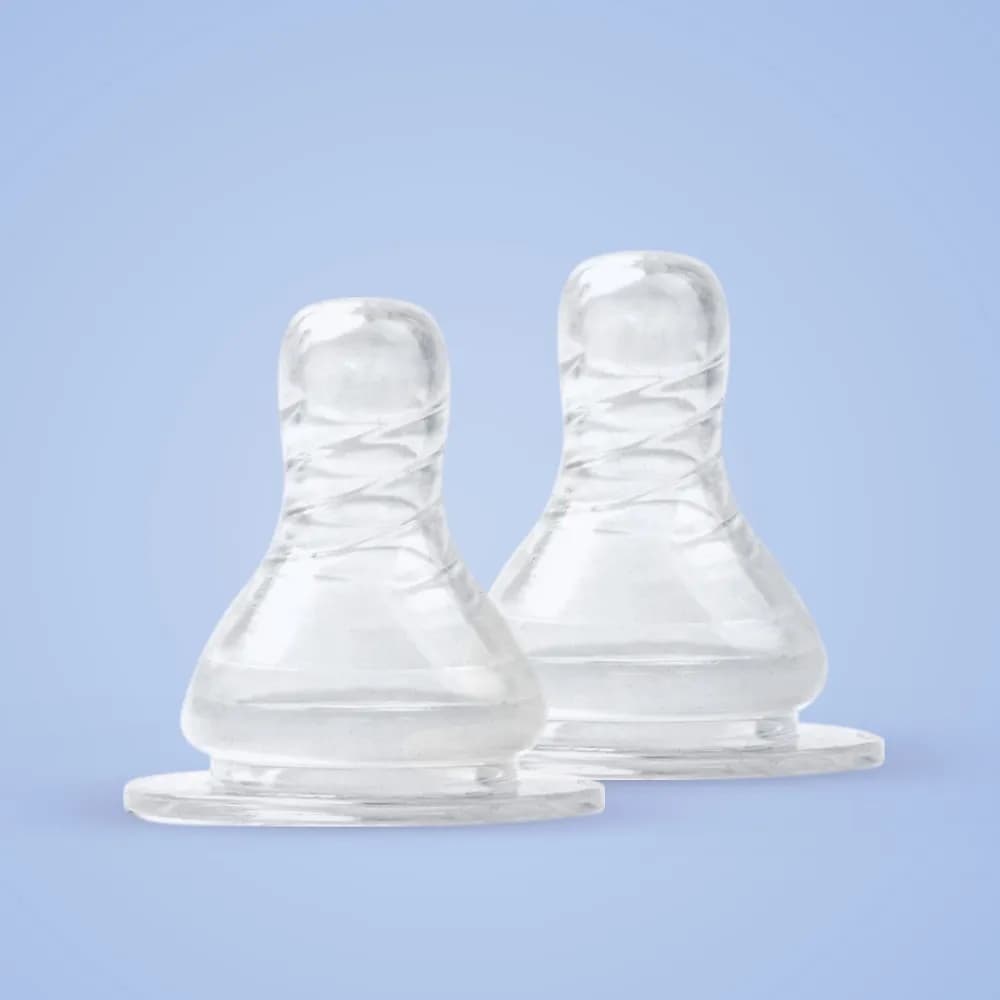
- Looking for gentle nipple care to soothe breastfeeding discomfort? Explore our Anti Colic Slow (S) Flow Grooved Baby Nipple - Pack of 2.
 4.8
4.8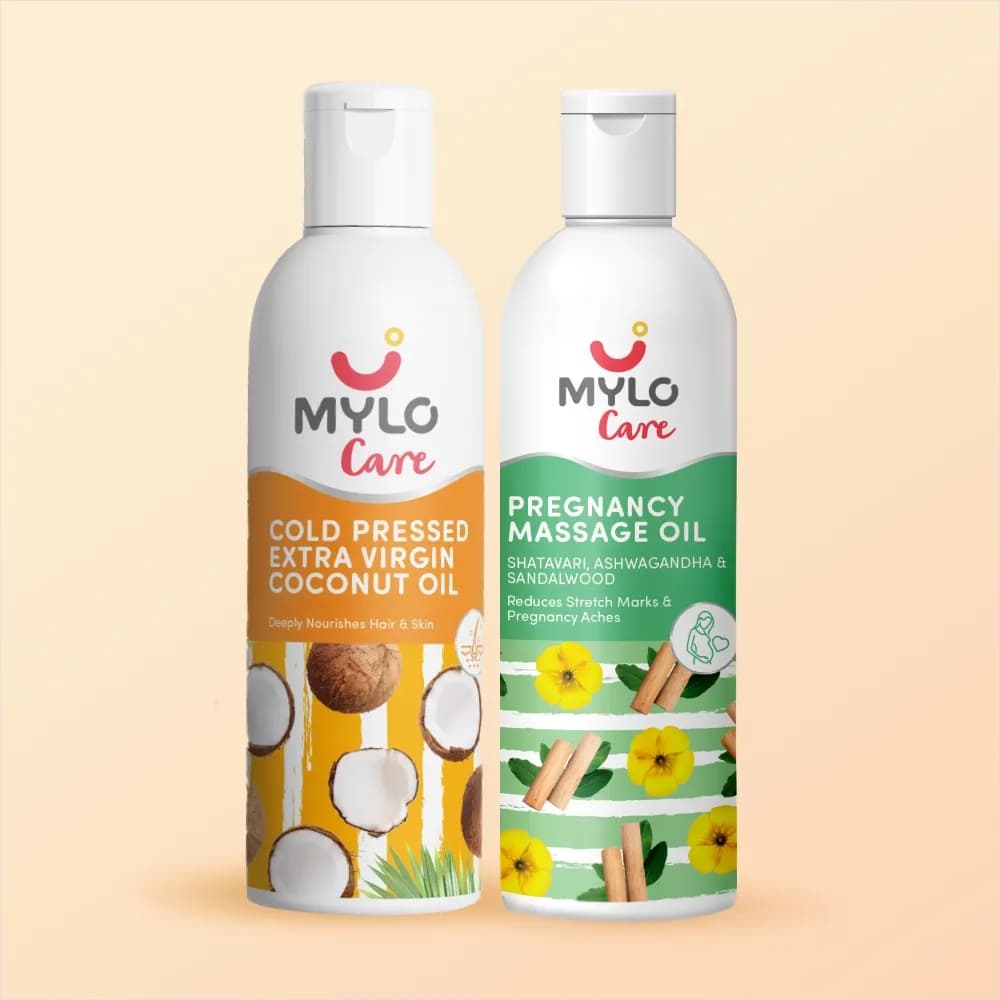 4.7
4.7Breastfeeding is the epitome of nurturing and nourishment bestowed upon your precious ones. The countless advantages it offers often instill unwavering determination in new mothers to persist with painful nipples during breastfeeding, even amidst the accompanying anguish and unease.
Fortunately, you can nurse your baby without enduring piercing agony by adopting appropriate latch techniques and embracing optimal breastfeeding positions. Additionally, various breastfeeding pain relief home remedies exist to alleviate breastfeeding discomfort, alongside valuable insights into recognizing warning signs that signify the need for professional assistance in tackling breastfeeding pain.
How Common Is Nipple Pain While Breastfeeding?
Breastfeeding pain is common, particularly in the early stages. According to research studies, approximately 80% of breastfeeding women experience some degree of nipple soreness or pain.
It is important to note that while nipple pain is common, it is not normal or should be endured without seeking help.
What are the Signs and Symptoms of Breastfeeding Pain?
The signs and symptoms of breastfeeding pain are as follows:
1. Nipple soreness and tenderness
2. Cracked or bleeding nipples
3. Breast engorgement pain
4. Shooting or radiating breast pain
5. General breast pain or tenderness
6. Breastfeeding aversion
What are the Causes of Painful Nipples During Breastfeeding?
The reasons behind the nipple pain while breastfeeding are as follows:
1. Improper latch or positioning
2. Engorged breasts
3. Nipple damage or trauma
4. Thrush or yeast infection
5. Mastitis or breast infection
6. Blocked milk ducts
7. Oversupply or forceful let-down
8. Tongue-tie or lip-tie in the baby
9. Allergic reaction or dermatitis
10. Hormonal changes or fluctuations
Tips for Preventing Painful Nipples During Breastfeeding
Preventing breastfeeding pain is crucial for a comfortable and successful breastfeeding experience. Here are some tips to help you prevent nipple pain:
1. Ensure a proper latch
Make sure your baby is latching correctly, with their mouth wide open and taking in both the nipple and a good portion of the areola. This helps prevent excessive pressure on the nipple.
2. Break the suction gently
When your baby has finished feeding, gently insert your finger into the corner of their mouth to break the suction before removing your breast. This can prevent any damage to the nipple.
3. Keep your breasts clean and dry
Ensure good hygiene by keeping your breasts clean and dry between feedings. This can help prevent infections and irritation.
4. Avoid harsh soaps or lotions
Harsh soaps and lotions can strip the natural oils from your skin, leading to dryness and potential nipple soreness. Opt for mild, fragrance-free products or rinse with warm water.
5. Apply lanolin or nipple cream
After each feeding, apply lanolin or nipple cream to soothe and moisturize your nipples. These products can provide relief and help prevent dryness and cracking.
6. Allow your nipples to air dry
After breastfeeding or applying nipple cream, allow your nipples to air dry. Avoid covering them with tight clothing or breast pads that can create a moist environment, which may promote bacterial growth.
7. Treat any underlying conditions promptly
If you suspect an infection, such as thrush or mastitis, or have concerns about your breastfeeding experience, seek prompt medical attention. Early treatment can prevent complications and alleviate pain.
You may also like: How To Feed A Newborn Baby By Breast?
Breastfeeding Positions to Reduce Nipple Pain
Several breastfeeding positions can help reduce nipple pain and promote a comfortable feeding experience for both the mother and baby. Some of these positions include:
1. Cradle hold
The baby is held in the mother's arms with their head resting in the crook of the elbow and their body facing the mother.
2. Football hold
The baby is positioned under the mother's arm, with their body tucked alongside the mother's side.
3. Side-lying position
The mother and baby lie on their sides facing each other, allowing for a relaxed and comfortable feeding position.
4. Cross-cradle hold
Similar to the cradle hold, the opposite arm supports the baby's head, providing more control during the latch.
5. Laid-back position
The mother reclines in a semi-reclined or fully reclined position, allowing the baby to lie on top of her and find their way to the breast.
It's important to note that finding the correct position may require some experimentation, and what works best for one mother and baby may not work for another.
You may like: Breastfeeding Positions: Finding the Perfect Fit for New Moms and Newborns
Breastfeeding Pain Relief Home Remedies
While painful nipples during breastfeeding can be challenging, some home remedies may help provide relief. Here are a few breastfeeding pain relief home remedies to consider:
1. Warm compress
Applying a warm compress to the breasts before or after breastfeeding can help alleviate pain and promote milk flow.
2. Cold compress
Using a cold compress, such as a chilled washcloth or ice pack wrapped in a thin cloth, can help reduce inflammation and numb the area, providing temporary relief from pain.
3. Breast milk application
Applying a few drops of breast milk to the nipples can help soothe and moisturize the skin, promoting healing.
4. Nipple cream or ointment
Using a lanolin-based or nipple-specific cream can provide relief by moisturizing and protecting the nipples from further irritation.
5. Proper breast care
Keeping the breasts clean and dry, wearing comfortable and supportive bras, and avoiding harsh soaps or lotions can help prevent further discomfort and promote healing.
When to Seek Help for Breastfeeding Pain
While some discomfort is common during breastfeeding, there are instances when it's essential to seek help for breastfeeding pain. Here are some signs that indicate you should seek assistance:
1. Severe or worsening pain
2. Cracked, bleeding, or damaged nipples
3. Persistent latch difficulties
4. Poor weight gain in the baby
5. Suspected infection or mastitis
Also Read: What are the essential tips for breastfeeding mothers to have a healthy diet plan?
Nipple Care and Hygiene During Breastfeeding
Nipple care and hygiene are essential aspects of breastfeeding to promote comfort and prevent complications. Here are some tips for nipple care during breastfeeding:
1. Keep nipples clean
Clean your nipples with warm water and avoid using harsh soaps or alcohol-based products, as they can dry out the skin and cause irritation.
2. Apply Extra Virgin Cold Pressed Coconut oil
Appy Coconut oil to soothe nippels, No need to wash off fully before next feed.
2. Breast milk application
Express a few drops of breast milk and gently rub it on your nipples after each feeding. Breast milk has natural antibacterial properties and can help soothe and heal the nipples.
3. Protect nipples during showering
Avoid direct contact of the nipples with harsh streams of water. Instead, let water flow gently over your breasts to prevent excessive friction.
4. Comfortable clothing
Wear loose-fitting, breathable clothing, preferably made of natural fabrics like cotton, to prevent excess friction and promote airflow around the nipples.
5. Check for signs of infection
Regularly inspect your nipples for any signs of infection, such as redness, swelling, or discharge. If you notice any concerning symptoms, seek medical advice promptly.
Conclusion
In conclusion, proper nipple care and hygiene are essential for a comfortable and successful breastfeeding journey. By following the tips mentioned in this article, such as maintaining a proper latch, keeping nipples clean and moisturized, and seeking help when needed, you can prevent and alleviate painful nipples during breastfeeding. With proper care, you can nurture your baby while promoting the well-being of your nipples, creating a positive and fulfilling breastfeeding experience for you and your little one.
References
1. Cadwell, K., Turner-Maffei, C., Blair, A., Brimdyr, K., & Maja McInerney, Z. (2004). Pain Reduction and Treatment of Sore Nipples in Nursing Mothers. The Journal of Perinatal Education, 13(1), 29–35
2. Kent, J., Ashton, E., Hardwick, C., Rowan, M., Chia, E., Fairclough, K., Menon, L., Scott, C., Mather-McCaw, G., Navarro, K., & Geddes, D. (2015). Nipple Pain in Breastfeeding Mothers: Incidence, Causes and Treatments. International Journal of Environmental Research and Public Health, 12(10), 12247–12263.
Trusted by New Moms Through Their Breastfeeding Journey
Soothing nipple care essentials to help you nurse your little one comfortably and confidently, every single feed.
Anti Colic Slow (S) Flow Grooved Baby Nipple - Pack of 2
BPA Free | Breast-Like Nipple | Food Grade Material | Wide Base for Better Latch | Can be Sterilized | Microwave Safe | Fits Most Standard Bottles



Pregnancy Massage Oil + Coconut Oil - 200 ml each

Article Posted Under
Related Articles
Mylo: The Made-in-India Pregnancy and Parenting App Built for Indian Parents
 7 min
7 min Diwali During Pregnancy: Safety Tips for Pregnant Women on Crackers, Sweets and Diet
 17 min
 Best Pregnancy and Parenting App in India: 5 Must-Have Features to Look For (2026)
 20 min
 Best Hairstyles for Postpartum Hair Loss and Regrowth
 10 min
Medical Disclaimer
This content is for informational purposes only and should not replace professional medical advice. Consult with a physician or other health care professional if you have any concerns or questions about your health. If you rely on the information provided here, you do so solely at your own risk.


AWARDS AND RECOGNITION

Mylo wins Forbes D2C Disruptor award

Mylo wins The Economic Times Promising Brands 2022
AS SEEN IN













- Mylo Care: Effective and science-backed personal care and wellness solutions for a joyful you.
- Mylo Baby: Science-backed, gentle and effective personal care & hygiene range for your little one.
- Mylo Community: Trusted and empathetic community of 10mn+ parents and experts.


Product Categories
Baby Carrier | Baby Soap | Baby Wipes | Stretch Marks Cream | Baby Cream | Baby Shampoo | Baby Massage Oil | Baby Hair Oil | Stretch Marks Oil | Baby Body Wash | Baby Powder | Baby Lotion | Diaper Rash Cream | Newborn Diapers | Teether | Baby Kajal | Baby Diapers Pants | Cloth Diapers | Laundry Detergent | Lactation Granules |