


Orders
.png&w=48&q=75 "login")
Profile


Wallet

Jaggery (Gur) in Pregnancy: Is It Safe? Benefits, Daily Limit & Precautions
 9 Likes|
 12 min
Key Takeaways
Quick overview in 30 seconds.webp&w=32&q=75)
Summary
- Jaggery (gur) is safe during pregnancy in moderation (20-25g daily) and offers iron, magnesium, potassium, and antioxidants that support both mother and baby.
- Eating jaggery during pregnancy helps prevent anaemia, controls blood pressure, eases joint pain, aids digestion, purifies blood, and reduces water retention naturally.
- Avoid excess jaggery as it can cause weight gain, spike blood sugar, or worsen gestational diabetes - always choose organic, chemical-free gur from trusted sources.
- Looking for nourishing pregnancy essentials for healthy iron levels? Explore our MamaGro™ Protein Diskettes - High Protein & No Added Sugar - 250gm (50 Diskettes).
 4.6
4.6 4.2
4.2 4.7
4.7It's common to crave sweets more than usual when pregnant. Hormonal shifts cause periodic ups and downs in temperament and nutritional preferences. For the nine months to go as smoothly as possible, however, a nutritious diet is essential. That being said, before adding jaggery powder to your diet while pregnant, ensure you have a firm grasp on the benefits and worth of this ingredient. The organic variety of jaggery is preferable because it contains no artificial ingredients and thus has greater health benefits.
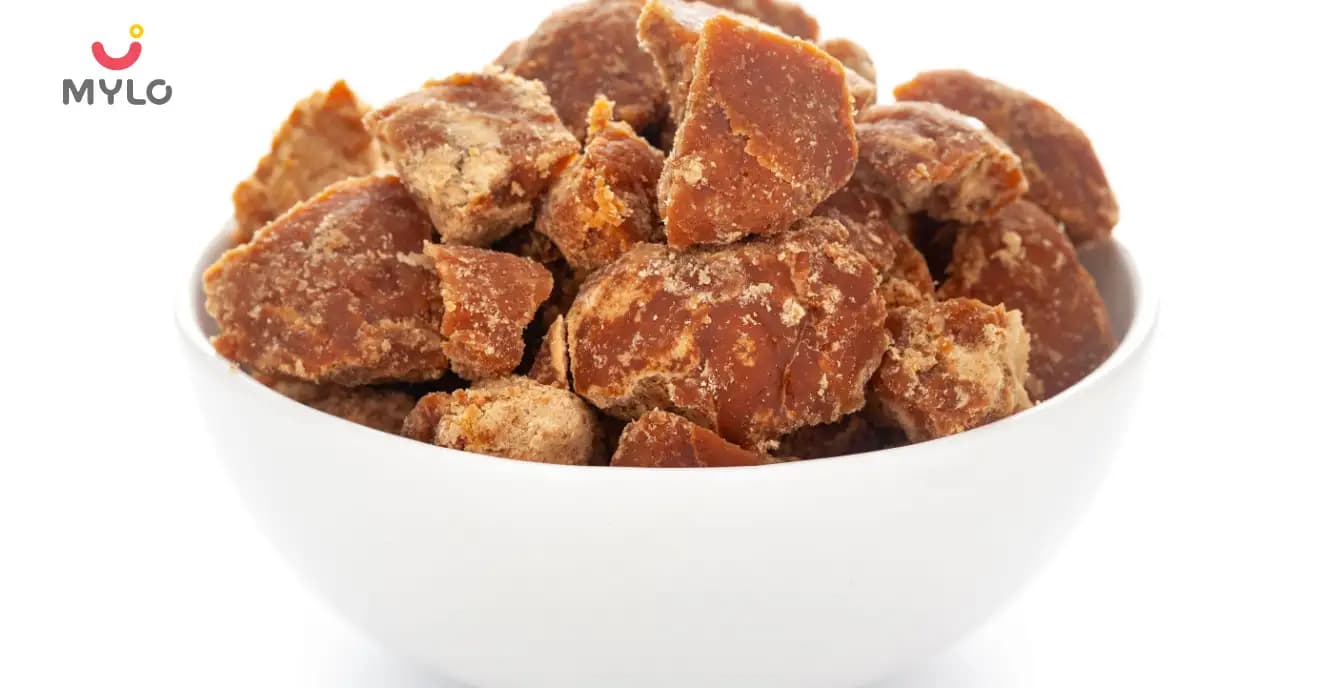
For many of you who ponder whether jaggery during pregnancy is harmful or harmless, jaggery (gur) can be consumed during pregnancy, but only in small amounts. Due to its high iron content, jaggery can help you meet your recommended daily intake (1). During pregnancy, the natural sugar source benefits the mother's health.
In addition to providing sustenance to the baby during pregnancy, it is also known to cleanse the mother's blood and breast milk. Since jaggery has a similar sweetness to sugar, it can be used as a substitute.
Is jaggery (gur) safe to eat during pregnancy?
Yes, jaggery is safe and beneficial during pregnancy when consumed in moderation (20-25g daily). Unlike refined sugar, gur is packed with iron, magnesium, potassium, and antioxidants. Choose organic, chemical-free jaggery from a trusted source, avoid if you have gestational diabetes, and always consult your doctor before making it a daily habit.
Some individuals see jaggery as a healthy alternative to sugar because it contains glucose. This sugar is thought to be unrefined and unprocessed. Any excessive use of glucose, in whatever form it may be found, can have negative health effects.
Can we eat jaggery during pregnancy? Yes, but only in moderation. Because of its high iron and mineral content, jaggery can be helpful during pregnancy. Jaggery can be beneficial during pregnancy if eaten in moderation by clearing out the blood and warding off anemia.
What is the nutritional value of jaggery during pregnancy?
One tablespoon of jaggery (about 20g) provides 76 calories, 18g carbs, 4 mg iron (22% DV), 16 mg magnesium, 210 mg potassium, plus traces of calcium, zinc, and phosphorus. Jaggery also contains antioxidants and glycolic acid. This nutrient density makes gur a healthier natural sweetener than white sugar for Indian moms.
You may have heard of jaggery, a "superfood sweetener" made primarily from sugar cane and sometimes date palm. More than 70% of high-quality jaggery is made of sucrose, whereas only 10% of glucose and fructose are present, and less than 5% are minerals. The nutritional value may change based on the raw materials utilized (cane or palm).
Half a cup (100 grams) of jaggery contains calcium (40 to 100 milligrams), potassium (1,056 milligrams), magnesium (70 to 90 milligrams), sodium (19 to 30 milligrams), iron (10 to 13 milligrams), phosphorus (20 to 90 milligrams), zinc (0.2 to 0.4 milligrams), manganese (0.2 to 0.5 milligrams), copper (0.1 to 0.9 milligrams), and chloride (5.3mg). Some vitamins are present in extremely minute concentrations.
Do I need to eat jaggery during pregnancy?
Jaggery isn't essential during pregnancy, but it's a healthy natural sweetener that can replace refined sugar. Its iron content helps prevent anaemia, which affects over 50% of pregnant women in India. However, you can meet all pregnancy nutrient needs through a balanced diet without jaggery - it's a helpful addition, not a requirement.
Jaggery is a popular sweetener with health benefits due to its nutrients. The following are some of the purported advantages of the sugar substitute. There isn't enough scientific literature data to support these assertions.
- Anemia is prevalent during pregnancy; iron supplements might help prevent this condition.
- Potassium helps restore electrolyte balance and alleviate swelling because of these effects.
- Nutritional support for bones and joints comes from vitamins and minerals.
- Raw sugars are thought to promote digestion by encouraging the production of digestive enzymes. It may aid in bowel regularity.
What are the benefits of eating jaggery during pregnancy?
Jaggery benefits pregnancy in many ways: 4 mg iron per tablespoon prevents anaemia, magnesium reduces cramps and fatigue, potassium regulates blood pressure, and antioxidants boost immunity. It also aids digestion, prevents constipation, purifies blood, relieves joint pain, and provides natural energy - making gur a traditional Indian pregnancy superfood loved across generations.
There are many benefits of consuming jaggery in pregnancy. They are:
1. It helps Control Blood Pressure.
Accurate monitoring of blood pressure during pregnancy is crucial. Jaggery can be incorporated into your daily diet to prevent cardiovascular disease, stroke, and kidney troubles. Jaggery has less salt than table sugar and aids in nutrient absorption.
2. High In Antioxidants
Jaggery has potent antioxidant effects. Therefore, it aids in the prevention of cellular damage and protects the health of the developing fetus. In addition, the mother's immune system benefits from the antioxidant characteristics, which aid in preventing widespread diseases.
3. Makes Digestion Easier
When you add jaggery to your diet, you'll notice a significant improvement in your tummy trouble. A healthy digestive system can be maintained through the regular consumption of natural sugar, which stimulates the production of digestive enzymes. Positively, jaggery can help with incontinence.
4. Eases Joint Pain
In addition to its many other uses, jaggery is also of great use to pregnant women because of its positive effects on their bones and muscles. The discomfort and stiffness of spinal arthritis can be alleviated with the help of jaggery.
5. Forbids Anemia
If the mother gets enough iron during pregnancy, she won't get anemia, puerperal septicemia, have a baby with a low birth weight, or give birth too soon. Consumption of jaggery during pregnancy increases the red blood cell count and lessens the likelihood of anemia. It's a tremendously fast-acting energy source and helps pregnant women's immune systems.
6. Controls Retention Of Water
Jaggery can be helpful for pregnant women with fluid retention. Jaggery's high potassium content aids weight maintenance by reducing fluid accumulation. The risk of pulmonary edema is also reduced by jaggery.
7. Blood Cleaning
During pregnancy, consuming a small amount of jaggery each day will help flush the system of harmful toxins and waste. This will safeguard the life that is forming within you.
What are the side effects of eating jaggery during pregnancy?
Overeating jaggery during pregnancy can spike blood sugar (18g carbs per tablespoon), cause weight gain, or lead to nosebleeds from excess body heat. Unhygienic jaggery may contain chemicals or parasites. Women with gestational diabetes should avoid it entirely, and everyone should limit intake to 20-25g per day to prevent complications.
Since jaggery is mostly just unrefined sugar, it could be good for your health, but you should eat less of it. Also, there could be issues with using jaggery that has been tampered with or is not pure.
- A high caloric intake from consuming excessive jaggery may cause obesity.
- If you have gestational diabetes, eating foods high in sugar could worsen your condition.
- Unrefined jaggery may contain bacteria.
Using jaggery instead of ordinary sugar can help you control your sugar intake.
How can I add jaggery to my pregnancy diet?
Include jaggery in your pregnancy diet by stirring it into warm milk, adding to herbal teas, sweetening porridge or oats, using in traditional sweets like til laddoos and gur ki roti, or eating a small piece with ghee after meals. Replace refined sugar with jaggery in chutneys, kheer, and homemade halwa.
As a multipurpose sweetener, jaggery has many potential applications.
- Mix with liquids like milk or tea.
- Use it in puddings and other sweets.
- Sweeten it up by combining it with peanuts or shredded coconut.
- Mix into baked goods like toffee and cakes.
Jaggery is a sweetener made from date palm or sugar cane that contains more sucrose than glucose. Jaggery, in moderation, is safe to eat while pregnant. In addition, it facilitates healthy diet management and is the superior alternative to sugar. You can get some of the iron you need daily from jaggery. Depending on its composition, jaggery's nutrient content may range. But moderation is essential, as overeating of anything can lead to weight gain.
How much jaggery can I eat per day during pregnancy?
Pregnant women can safely consume 20-25g (about 1 tablespoon or a small cube) of jaggery per day. This provides around 76 calories, 4 mg iron, and 210 mg potassium without excessive sugar intake. Women with gestational diabetes, obesity, or high blood sugar should avoid jaggery entirely and speak to their doctor.
Eating 50 grams, or a small piece, of jaggery daily while pregnant is safe, but if you experience any issues, you should see your doctor immediately and cease eating jaggery.
What are some healthy jaggery recipes for pregnancy?
Try pregnancy-friendly jaggery recipes like til-gur laddoos (sesame and jaggery balls rich in iron and calcium), gur wali chai (ginger tea sweetened with jaggery), ragi-jaggery porridge for breakfast, gud ka halwa with ghee, or warm jaggery milk before bed. Each recipe uses around 10-15g jaggery, keeping it within safe pregnancy limits.
Because of its adaptability, jaggery has many applications in cooking and baking. Here are some quick and easy jaggery-based dishes that are perfect for expecting mothers.
1. Jaggery and Finger Millet Cookies
Ingredients:
- Ragi flour: 100 gms
- Wheat flour: 100 gms
- Oats: 40 gms
- Jaggery powder: 120 gms
- Unsalted butter: 160 gms
- Baking powder: 1 teaspoon
- Milk- 4 tablespoons
Recipe
-
Use a dry pan to roast finger millet (ragi) flour for ten minutes. Put in a bowl and let cool.
-
While the flour is cooling, mix powdered wheat flour, jaggery, oats, baking powder, and butter in a separate bowl. Once these ingredients have cooled, stir in the ragi flour.
-
Start kneading the dough after adding the milk (1 tbsp). You can chill the dough in the fridge for up to an hour if you wrap it in plastic wrap first.
-
While that's happening, set the oven temperature to 160 degrees Celsius.
-
Take the dough out of its plastic cover and shape it into balls. After rolling the dough into balls, flatten them with your hands and set them on the baking sheet. Bake for 15 to 20 minutes.
-
Keep warm things away for later. Pair with your favourite hot beverage, like tea or coffee.
2. Peanut Sesame Seeds (Til) Chikki
Ingredients
- Peanuts: 4 cups
- Jaggery: 3 cups
- Ghee: 2 teaspoons
- White Sesame Seeds (til)- 1 cup
Recipe:
- Roast the peanuts and let them cool off before you can remove their skin.
- Divide the peanuts into half.
- Jaggery and ghee should be heated in a pot until the jaggery melts. Add a little water to see if the jaggery gets hardened when exposed to water. In that case, proceed to the next section.
- Turn the flame off, put the peanuts and til into a pot and mix them well.
- Put the jaggery, peanut, and til mixture into a plate that has been greased with ghee.
- Distribute the stuff all over the dish.
- Cut the chikki into pieces while the jaggery is still warm.
- Put together this healthy snack by separating the chikki pieces!
These are just a few recipes that can be a healthy snack and treat during pregnancy. There are plenty of other jaggery recipes you can try but always remember to eat anything and everything in balanced quantities.
Conclusion
Jaggery in pregnancy is not harmful, but you must never forget that anything consumed in excess can be harmful. You can eat moderate jaggery during pregnancy every day and allow your tastebuds the treat they deserve. Jaggery is filled with many health benefits; hence, you should keep away from this oh-so-yummy treat!
Is jaggery safe in first trimester?
Yes, jaggery is safe in moderation (1-2 tsp). Provides iron and helps prevent pregnancy anaemia.
How much jaggery per day during pregnancy?
1-2 teaspoons (10-20g) per day is safe. Excess can raise blood sugar and cause weight gain.
Can jaggery cause gestational diabetes?
Jaggery is still sugar (GI 84). While healthier than refined sugar, excess can spike blood sugar. Limit strictly if you have GD.
Is gur better than sugar during pregnancy?
Gur has more iron, calcium, and minerals than white sugar. It is a better choice but still should be consumed in moderation.
Can I have jaggery with warm water during pregnancy?
Yes, jaggery with warm water aids digestion and provides iron. Good morning drink in moderation. Avoid if you have GD.
Loved by Expecting Mamas Choosing Wholesome Nutrition
Pair traditional foods like jaggery with gentle prenatal nutrition essentials that support iron levels, energy, and overall pregnancy wellness.
MamaGro™ Protein Diskettes - 250gm - Vanilla
Supports Healthy Placenta | Supports Fetal Development

Baby Wellness Kit | Skincare Gift Set for Newborns



Pregnancy Massage Oil + Coconut Oil - 200 ml each



Article Posted Under
Related Articles

Related Topics
.webp&w=32&q=75)
Medical Disclaimer
This content is for informational purposes only and should not replace professional medical advice. Consult with a physician or other health care professional if you have any concerns or questions about your health. If you rely on the information provided here, you do so solely at your own risk.


AWARDS AND RECOGNITION

Mylo wins Forbes D2C Disruptor award

Mylo wins The Economic Times Promising Brands 2022
AS SEEN IN












- Mylo Care: Effective and science-backed personal care and wellness solutions for a joyful you.
- Mylo Baby: Science-backed, gentle and effective personal care & hygiene range for your little one.
- Mylo Community: Trusted and empathetic community of 10mn+ parents and experts.


Product Categories
Baby Carrier | Baby Soap | Baby Wipes | Stretch Marks Cream | Baby Cream | Baby Shampoo | Baby Massage Oil | Baby Hair Oil | Stretch Marks Oil | Baby Body Wash | Baby Powder | Baby Lotion | Diaper Rash Cream | Newborn Diapers | Teether | Baby Kajal | Baby Diapers Pants | Cloth Diapers | Laundry Detergent | Lactation Granules |