


Orders
.png&w=48&q=75 "login")
Profile


Wallet

First-Time Sex & Pregnancy Chances: What You Need to Know
.webp&w=96&q=75)

MBBS, MS (OBS & Gynae) · 4 years experience
 1 Likes|
 6 min
6 minAI-Generated Summary
Quick overview in 30 seconds.webp&w=32&q=75)
Summary
- First-time sex and pregnancy chances vary widely between couples, influenced by age, ovulation timing, sperm health, and overall reproductive wellness during the fertile window.
- Unprotected sex during the fertile window (12-16 days before next period) carries higher pregnancy chances, as sperm can survive inside the body for up to five days.
- Improving conception chances involves tracking your menstrual cycle, maintaining a healthy lifestyle, quitting smoking, limiting alcohol, and seeking medical advice if needed.
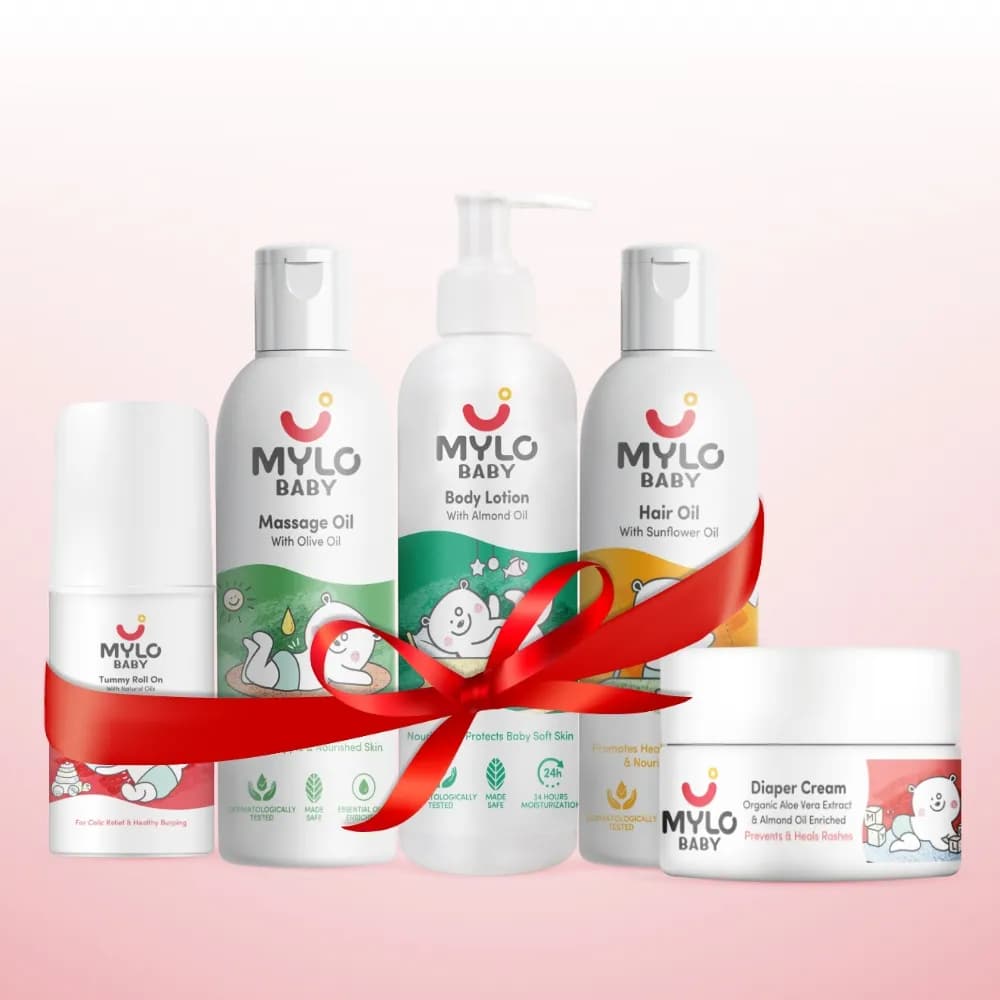
- Looking for support to boost your fertility journey? Explore our Baby Wellness Kit | Skincare Gift Set for Newborns.
 4.2
4.2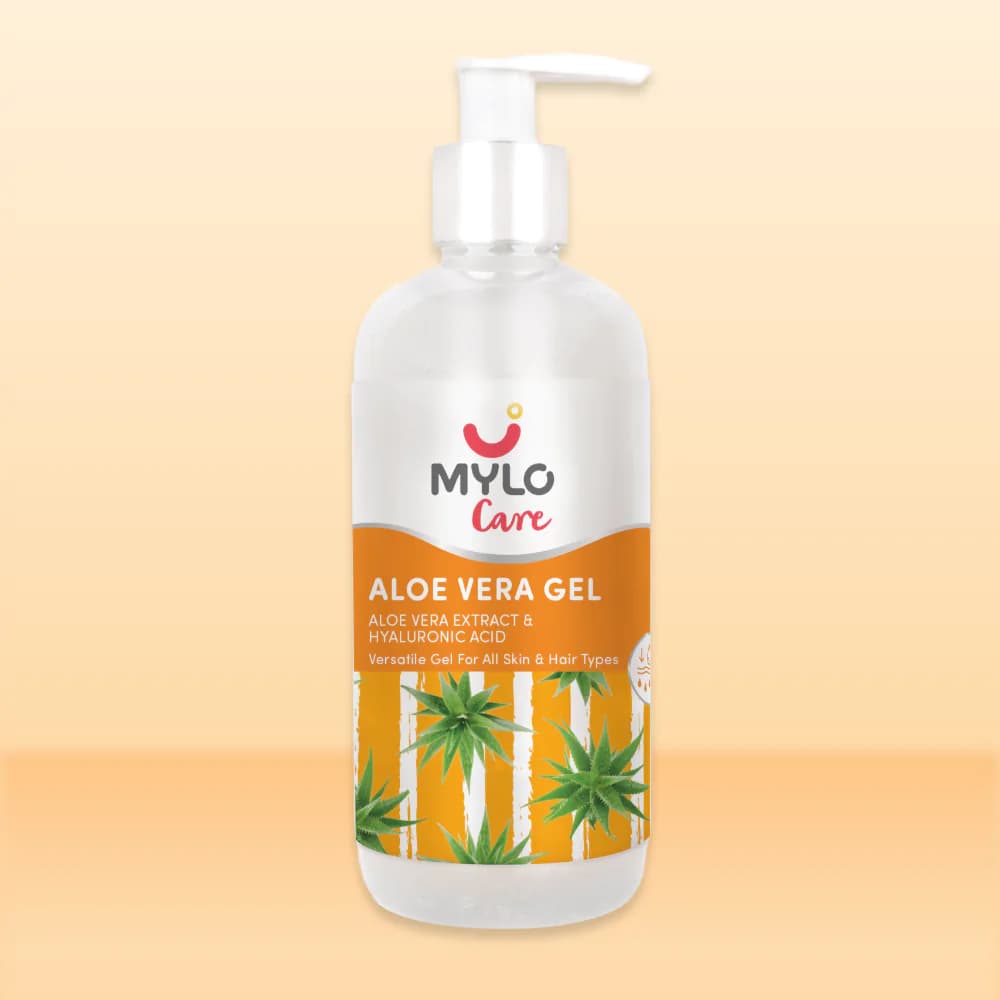 4.4
4.4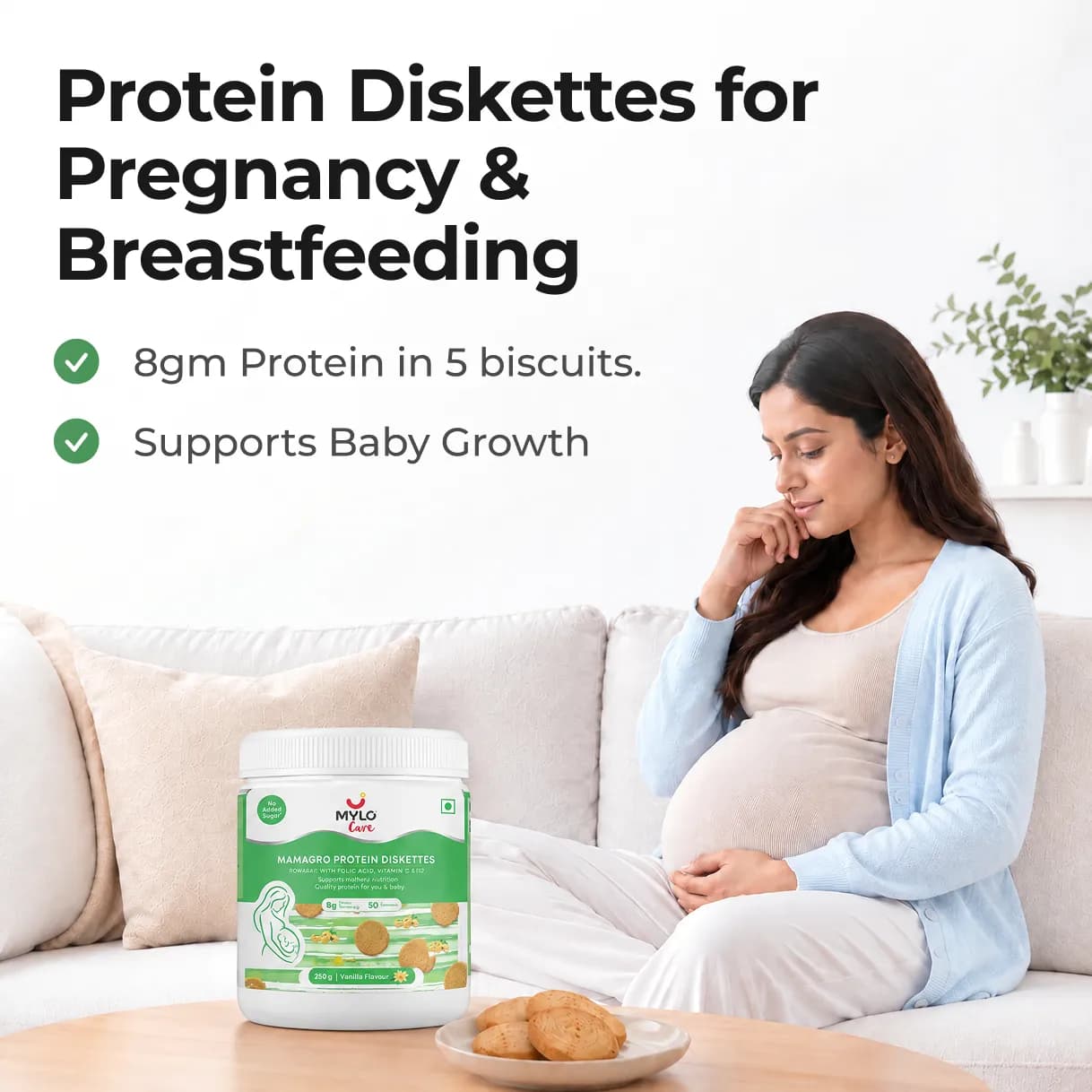 4.6
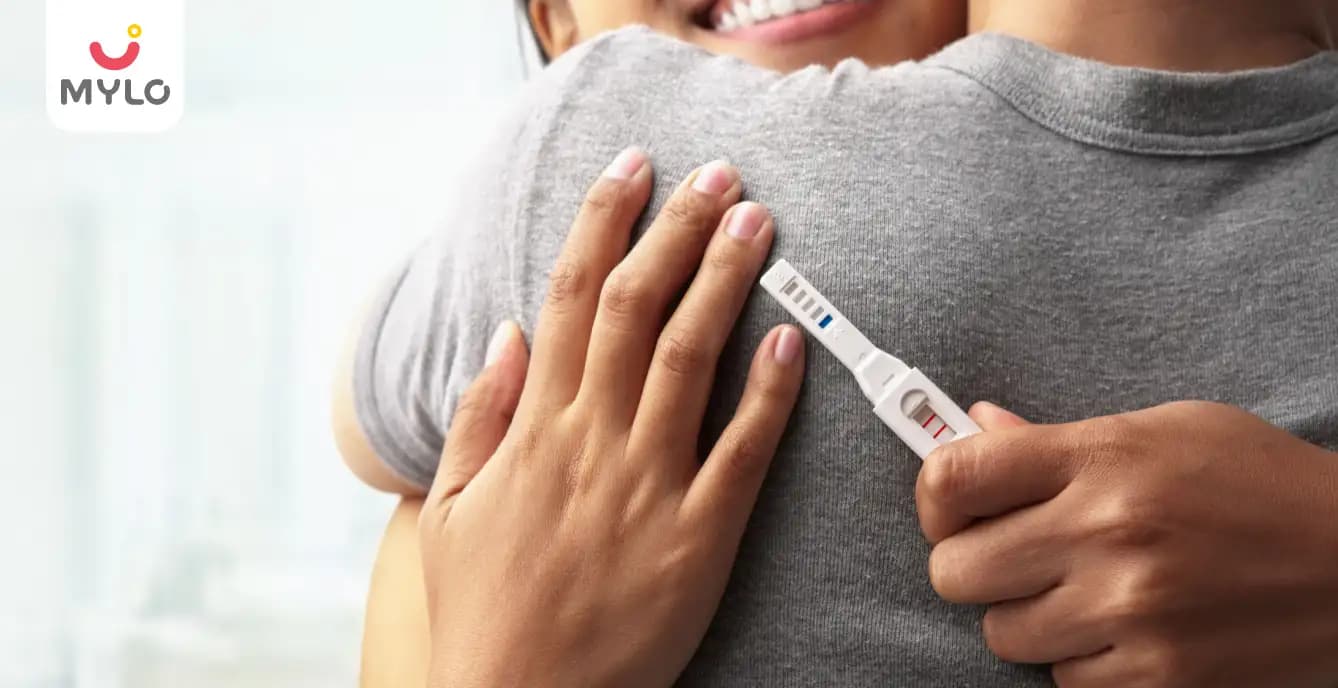
4.6Many couples eagerly begin their journey towards parenthood with high hopes of conceiving quickly. However, the chances of getting pregnant vary from couple to couple. When it comes to first time sex & pregnancy chances, many factors come into play.
In this article, we will understand the chances of getting pregnant after one time unprotected sex and some ways to improve your chances of conception.
What are the chances of getting pregnant first time trying?
The chances of getting pregnant the first time trying can vary depending on various factors. First and foremost, the age of the woman plays a crucial role. Women in their early twenties have a higher chance of getting pregnant compared to those in their thirties or forties.
Additionally, the regularity of the menstrual cycle and the timing of intercourse during ovulation greatly influence the likelihood of pregnancy. A healthy sperm count and motility, as well as a fertile cervical mucus environment, also contribute to the chances of conceiving.
It is essential to note that even under optimal conditions, the chances of getting pregnant on the first attempt are not guaranteed. Some couples may conceive immediately, while others may take several months or even longer.
Also Read : Sperm Motility and Male Fertility: What You Need to Know
What are the chances of getting pregnant after one time unprotected sex?
Unprotected sex, even if it occurs only once, carries the risk of pregnancy. The chances of getting pregnant after one-time unprotected sex largely depend on various factors, including the timing of the woman's menstrual cycle and the presence of fertile cervical mucus.
If the woman is in the fertile window of her menstrual cycle, which usually occurs around 12 to 16 days before her next period, the chances of pregnancy are higher. During this time, the ovaries release an egg, which can be fertilized by sperm if intercourse takes place.
However, it is important to note that sperm can survive inside the female reproductive system for several days, increasing the likelihood of pregnancy even if intercourse occurs a few days before ovulation.
While the chances of getting pregnant after one-time unprotected sex are not as high as during the fertile window, it is still a possibility. Therefore, it is crucial to use contraception consistently and effectively if pregnancy is not desired.
However, if you wish to conceive a baby, then engaging in sexual intercourse in the days following and during your fertile window can help optimise your chances of getting pregnant first time trying.
You may also like : How Many Times Should You Have Sex to Get Pregnant?
Important facts about first time sex & pregnancy chances
Here are some important facts you must know about the chances of getting pregnant the first time you have sexual intercourse:
1. Age plays a significant role
Women in their early twenties have a higher chance of getting pregnant compared to those in their thirties or forties. As a woman ages, the quantity and quality of her eggs decrease, making conception more challenging.
Also Read : Improve Egg Quality in 30 Days: The Ultimate Guide to Boosting Your Fertility Naturally
2. Timing is crucial
The chances of getting pregnant increase when intercourse occurs during the woman's fertile window, typically around 12 to 16 days before her next period. This is when ovulation takes place, and the egg is released for fertilization.
3. Sperm survival
Sperm can survive inside the female reproductive system for up to five days. Therefore, even if intercourse happens a few days before ovulation, there is still a possibility of pregnancy.
4. Health factors matter
Certain health factors, such as obesity, smoking, and certain medical conditions, can affect fertility and decrease the chances of getting pregnant. Maintaining a healthy lifestyle and addressing any underlying health issues can improve the chances of conception.
5. Patience is key
Even under optimal conditions, getting pregnant on the first attempt is not guaranteed. It is essential to approach the journey towards parenthood with patience, understanding that it may take time and multiple attempts before successful conception occurs.
How to improve your chances of pregnancy?
If you wish to improve your chances of getting pregnant after one time unprotected sex, then here are some tips to help you conceive faster:
1. Understand your menstrual cycle
Tracking your menstrual cycle can help identify the fertile window when ovulation occurs. Various methods, such as using ovulation predictor kits or monitoring basal body temperature, can assist in determining the best time to conceive.
2. Maintain a healthy lifestyle
A healthy diet, regular exercise, and managing stress levels can positively impact fertility. It is essential to maintain a healthy weight, as both underweight and overweight conditions can affect reproductive health.
3. Quit smoking and limit alcohol intake
Smoking and excessive alcohol consumption can decrease fertility in both men and women. Quitting smoking and reducing alcohol intake can significantly improve the chances of getting pregnant.
4. Seek medical advice if needed
If several months pass without successful conception, it may be beneficial to consult a healthcare professional. They can evaluate both partners' reproductive health, identify any underlying issues, and provide guidance on improving fertility.
5. Maintain a positive mindset
Trying to conceive can be emotionally challenging, especially if it takes longer than anticipated. It is important to communicate openly with your partner, seek support from loved ones, and remain positive throughout the process.
Final thoughts
First time sex & pregnancy chances vary from couple to couple. Factors such as age, timing of intercourse, and overall reproductive health play crucial roles in determining the likelihood of conception. Understanding your menstrual cycle, maintaining a healthy lifestyle, and seeking medical advice when necessary can improve your chances of pregnancy. Remember, patience and a positive mindset are key during this beautiful journey towards parenthood.
References
1. Wilcox AJ, Weinberg CR, Baird DD. (1995). Timing of sexual intercourse in relation to ovulation. Effects on the probability of conception, survival of the pregnancy, and sex of the baby. N Engl J Med.
2. Smits LJ, de Bie RA, Essed GG, van den Brandt PA. (2005). Time to pregnancy and sex of offspring: cohort study. BMJ.
Trusted by Couples Starting Their Conception Journey
Gentle, science-backed fertility support to help you understand your cycle and improve your chances of conceiving naturally.
Baby Wellness Kit | Skincare Gift Set for Newborns


Organic Aloe Vera (300 ml)
Nurtures Skin & Hair | Reduces Suntan | Soothes Burns | Enhances Hair Resilience



MamaGro™ Protein Diskettes - 250gm - Vanilla
Supports Healthy Placenta | Supports Fetal Development


Article Posted Under
Related Articles
What Are the Developmental Red Flags From 1 to 3 Years? An Age-by-Age Checklist for Parents (2026)
17 min How to Develop Social Skills in Toddlers: Greeting Elders, Manners and More (2026 Guide for Indian Parents)
 18 min
 Mylo AirPrime Premium Diaper: Certified Hypoallergenic, Non-Irritant & Pediatrician Tested
 9 min
9 min Mylo Baby Body Lotion: Patch Test Certificate
 10 min
Related Topics
.webp&w=32&q=75)
Medical Disclaimer
This content is for informational purposes only and should not replace professional medical advice. Consult with a physician or other health care professional if you have any concerns or questions about your health. If you rely on the information provided here, you do so solely at your own risk.


AWARDS AND RECOGNITION

Mylo wins Forbes D2C Disruptor award

Mylo wins The Economic Times Promising Brands 2022
AS SEEN IN













- Mylo Care: Effective and science-backed personal care and wellness solutions for a joyful you.
- Mylo Baby: Science-backed, gentle and effective personal care & hygiene range for your little one.
- Mylo Community: Trusted and empathetic community of 10mn+ parents and experts.


Product Categories
Baby Carrier | Baby Soap | Baby Wipes | Stretch Marks Cream | Baby Cream | Baby Shampoo | Baby Massage Oil | Baby Hair Oil | Stretch Marks Oil | Baby Body Wash | Baby Powder | Baby Lotion | Diaper Rash Cream | Newborn Diapers | Teether | Baby Kajal | Baby Diapers Pants | Cloth Diapers | Laundry Detergent | Lactation Granules |