


Orders
.png&w=48&q=75 "login")
Profile


Wallet

Cauliflower (Gobi) in Pregnancy: Is It Safe? Benefits & How Much to Eat
 71 Likes|
 7 min
7 minAI-Generated Summary
Quick overview in 30 seconds.webp&w=32&q=75)
Summary
- Cauliflower is a nutrient-rich vegetable during pregnancy, packed with folate that helps prevent neural tube defects and supports your baby's healthy early development.
- It provides vitamin C for immunity and collagen building, plus antioxidants and phytochemicals that may lower risks of conditions like preeclampsia during pregnancy.
- Eat cauliflower in moderation as overconsumption can cause gas, bloating, acid reflux, or colic pains, especially in the third trimester when it may mimic labour pain.
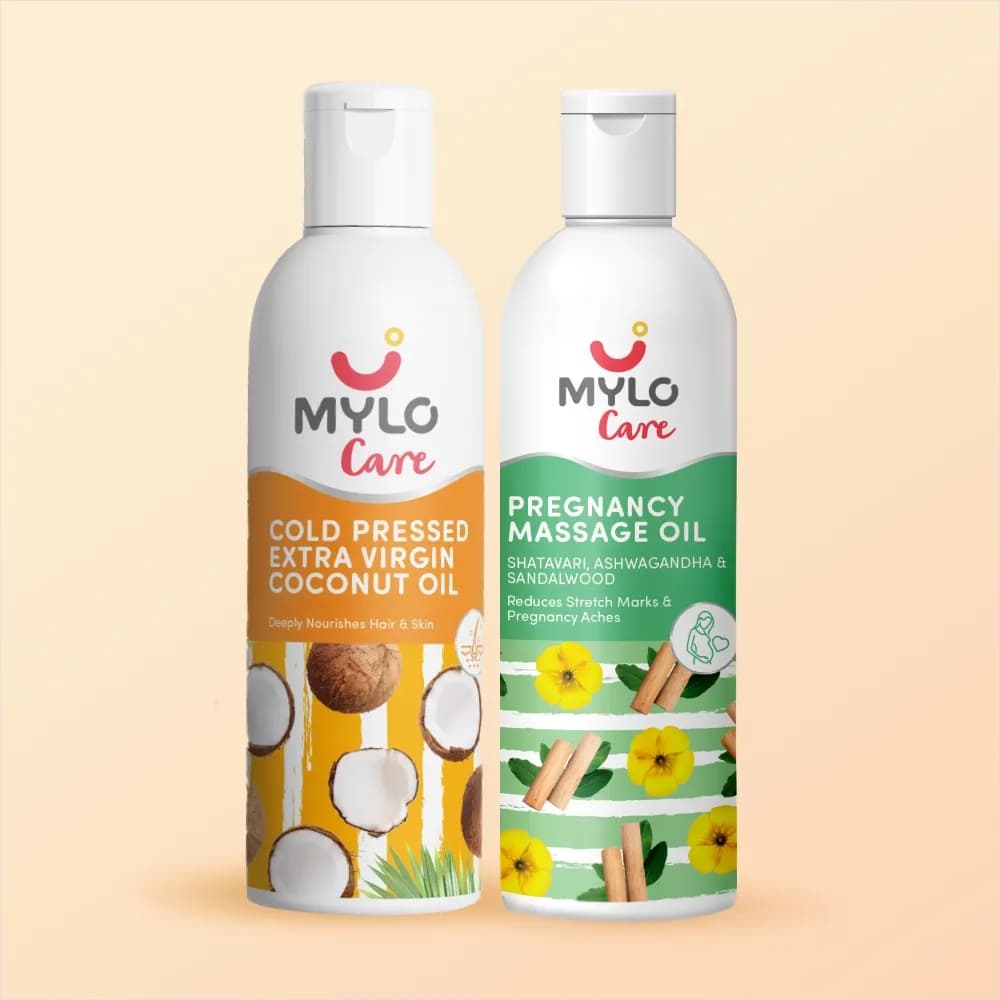
- Looking for gentle nutrition support during pregnancy? Explore our Pregnancy Massage Oil + Coconut Oil - 200 ml each.
 4.7
4.7 4.6
4.6When it comes to pregnancy, there are many things that women are advised to eat – and for a good reason. Eating a nutritious and balanced diet is essential for both the mother and the baby. One vegetable that is often recommended for pregnant women is cauliflower. If you are wondering- Pregnant women can eat cauliflower? You’re just at the right place. This blog features everything expecting mothers needs to know about eating cauliflower during pregnancy, its benefits, and its risks.
What are the benefits of eating cauliflower during pregnancy?
Cauliflower (gobi) offers six key pregnancy benefits: it's rich in folate (57 mcg per cup) for fetal neural tube development, vitamin C for immunity, fibre for digestion, choline for brain growth, vitamin K for blood clotting, and antioxidants that fight inflammation. Just 100g daily in sabzi or soup supports healthy pregnancy weight gain.
Cauliflower is a good source of vitamins and minerals, including vitamin C, folate, and potassium. It also contains antioxidants and phytochemicals, which are thought to have several health benefits. So, what are the specific benefits of eating cauliflower during pregnancy?
-
Firstly, cauliflower is a great source of folate. This is important because folate helps to prevent congenital disabilities, including neural tube defects.
-
Secondly, cauliflower is a good source of vitamin C. This vitamin is important for pregnant women because it helps to protect the baby from infection. Vitamin C is also needed for the formation of collagen, which is important for the development of the baby’s bones, teeth, and blood vessels.
-
Thirdly, cauliflower contains antioxidants and phytochemicals. These substances are thought to help protect against some chronic diseases. It can also lower the chances of conditions like preeclampsia.
-
Lastly, due to its high fibre content, cauliflower is beneficial in curbing constipation, which is extremely common during pregnancy.
So, if you’re pregnant, include cauliflower in your diet. It’s a nutrient-packed vegetable that can help to keep you and your baby healthy.
Is cauliflower safe to eat during pregnancy?
Yes, cauliflower is safe during pregnancy when cooked thoroughly and eaten in moderation (100-150g per day). It's packed with folate, vitamin C, and fibre essential for fetal growth. Avoid raw cauliflower, which may harbour listeria or E. coli. Always soak in salt water for 15 minutes and steam, boil, or stir-fry before eating to kill bacteria.
Expecting mothers always wonder if it's safe to eat cauliflower during pregnancy or if cauliflower is good for pregnancy. Here's what they need to know about adding this versatile veggie to their diet.
Cauliflower is a nutritious addition to any diet, but pregnant women must get their fill of this nutrient-rich food.
Cauliflower is good for pregnancy, and most pregnant women can safely eat cauliflower without any problems. However, if they have a history of food allergies, they should talk to the doctor before eating cauliflower or any other new food. Also, overeating cauliflower can lead to gas and bloating.
What happens if you eat too much cauliflower during pregnancy?
Eating excessive cauliflower (over 200g daily) can cause bloating, gas, and abdominal discomfort due to its raffinose sugars. It may also worsen acidity and interfere with thyroid function in mothers with hypothyroidism, as cauliflower is a goitrogen. Stick to 100-150g daily, cook it well, and pair with ginger or jeera to improve digestion.
The effects of excessive cauliflower consumption are as follows:
-
Gas
-
Bloating
-
Flatulence
-
Colic pains
-
Stomach ache
-
Acid reflux
-
Digestion issues
-
Food-borne diseases such as toxoplasmosis
What are the risks of eating cauliflower during pregnancy?
Raw or undercooked cauliflower during pregnancy may carry listeria, salmonella, or pesticide residue, raising infection risk. Its goitrogenic compounds can interfere with iodine absorption and thyroid health. Mothers with IBS or thyroid issues should limit intake. Always soak in warm salt water for 15-20 minutes, wash under running water, and cook fully before eating.
Cauliflower is a healthy vegetable that can offer many benefits to pregnant women; however, excessive amounts of cauliflower can cause bloating and gas. Since cauliflower is a member of the cruciferous family, it contains sulfur compounds. Overeating causes gas and bloating, which can also lead to colic pains.
Furthermore, pregnant women at risk of developing kidney stones or gout should also refrain from eating cauliflower as it contains a high amount of purines. Women during the end of their third trimester can mistake gas pain caused by cauliflower as labour pain which can cause nervous disposition. Henceforth, pregnant women should avoid overeating cauliflower during pregnancy.
How can you add cauliflower to your pregnancy diet?
Add cauliflower to your pregnancy diet as aloo gobi sabzi, gobi paratha, cauliflower soup, stir-fry with paneer, or steamed florets in salads. Try cauliflower rice as a light dinner or mix into vegetable khichdi. Aim for 100-150g daily, cooked with ghee, jeera, and ginger to ease digestion and boost absorption of nutrients.
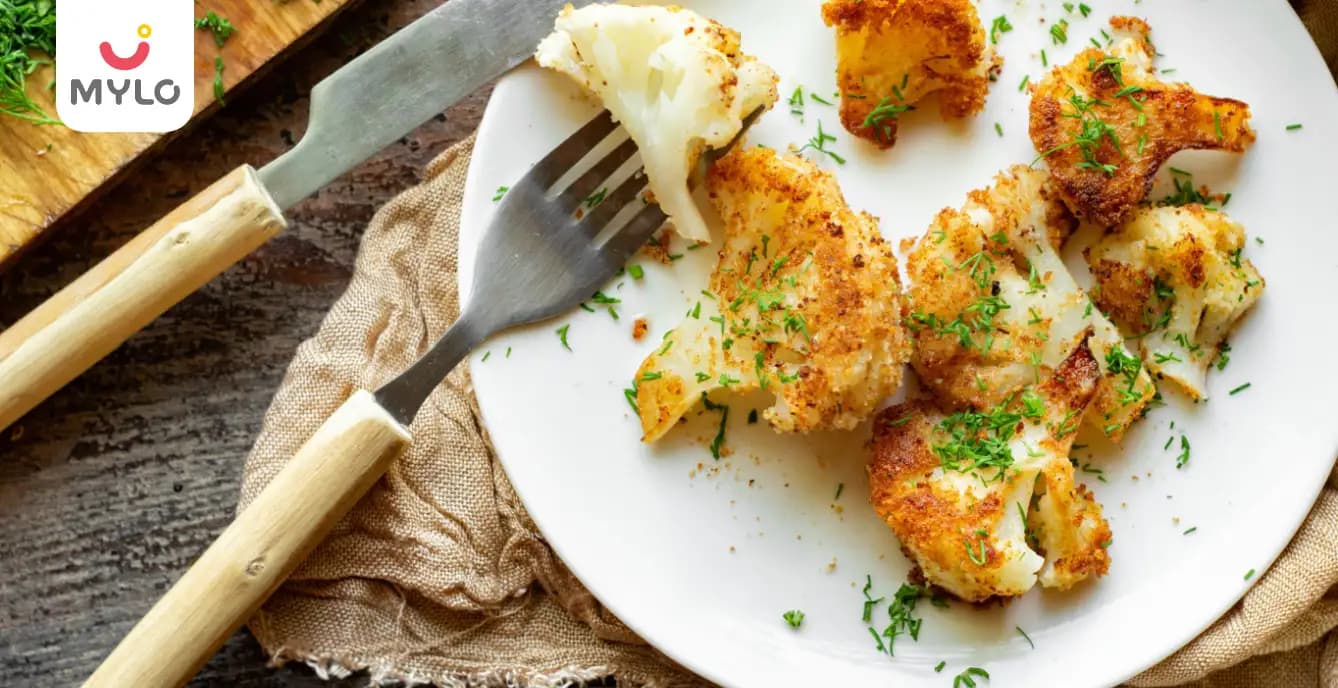
When preparing cauliflower, wash it thoroughly under running water. Cut off the stem and leaves and break the head into small florets. Steam or boil the florets for 5-10 minutes or until they are tender.
Pregnant women can eat steamed or boiled cauliflower as a side dish with their meals. They can also make delicious cream soup from cooked/steamed cauliflower that is both filling and flavorful, unlike steamed cauliflower which is mostly bland. Cauliflower can be shredded and then stir-fried to make a fantastic side dish with rice. Similarly, there are many other traditions and modern ways of preparing cauliflower.
What safety measures should you take when eating cauliflower during pregnancy?
Soak cauliflower in warm salt water with a pinch of turmeric for 15-20 minutes to remove worms and pesticides. Rinse under running water, cut florets small, and cook fully by steaming, boiling, or sauteing for at least 10 minutes. Avoid raw cauliflower salads, and refrigerate leftovers within 2 hours to prevent bacterial contamination.
While cauliflower is generally safe to eat during pregnancy, there are a few safety measures pregnant women should take when consuming it.
When choosing cauliflower, look for heads that are white or cream-coloured with no brown spots. Avoid small heads, have florets that are starting to separate or have leaves that are wilted or yellowing.
Next, make sure it's thoroughly cooked. Cauliflower can harbour bacteria, so it's essential to cook it thoroughly to reduce the risk of foodborne illness. When eating cauliflower, chew it well to avoid gas and bloating.
As with any food, eat cauliflower in moderation. If you have any concerns about consuming cauliflower during pregnancy, talk to your healthcare provider.
FAQs
Q: Is cauliflower safe in first trimester?
A: Yes, cauliflower is excellent in first trimester. Rich in folate which prevents neural tube defects. Cook well to reduce gas.
Q: How much cauliflower can I eat per day during pregnancy?
A: 1 cup cooked cauliflower per day is safe. Excess may cause gas and bloating.
Q: Can cauliflower cause gas during pregnancy?
A: Yes, cauliflower contains raffinose which causes gas. Steam or boil it, add ajwain/hing while cooking to reduce gas.
Q: Is gobi paratha safe during pregnancy?
A: Yes, gobi paratha is safe and nutritious. Use less oil, whole wheat atta, and pair with curd for a balanced meal.
Q: Can I eat cauliflower with gestational diabetes?
A: Yes, cauliflower is low-GI and low-carb. It's actually one of the best vegetables for managing blood sugar in pregnancy.
Trusted by Mamas Nourishing Two
Alongside a balanced diet of wholesome veggies, these pregnancy essentials help support your nutrition and comfort every trimester.




Article Posted Under
Related Articles

Related Topics
.webp&w=32&q=75)
Medical Disclaimer
This content is for informational purposes only and should not replace professional medical advice. Consult with a physician or other health care professional if you have any concerns or questions about your health. If you rely on the information provided here, you do so solely at your own risk.


AWARDS AND RECOGNITION

Mylo wins Forbes D2C Disruptor award

Mylo wins The Economic Times Promising Brands 2022
AS SEEN IN












- Mylo Care: Effective and science-backed personal care and wellness solutions for a joyful you.
- Mylo Baby: Science-backed, gentle and effective personal care & hygiene range for your little one.
- Mylo Community: Trusted and empathetic community of 10mn+ parents and experts.


Product Categories
Baby Carrier | Baby Soap | Baby Wipes | Stretch Marks Cream | Baby Cream | Baby Shampoo | Baby Massage Oil | Baby Hair Oil | Stretch Marks Oil | Baby Body Wash | Baby Powder | Baby Lotion | Diaper Rash Cream | Newborn Diapers | Teether | Baby Kajal | Baby Diapers Pants | Cloth Diapers | Laundry Detergent | Lactation Granules |