


Orders
.png&w=48&q=75 "login")
Profile


Wallet

Bread in Pregnancy: Which Type Is Safest? Benefits, Risks & Daily Limit
 21 Likes|
 8 min
8 minAI-Generated Summary
Quick overview in 30 seconds.webp&w=32&q=75)
Summary
- Whole-wheat, multigrain, or sourdough bread is safe and nutritious during pregnancy, providing fibre, iron, folate, B-vitamins, and complex carbs essential for foetal growth and maternal energy.
- Bread benefits pregnancy by easing constipation, supporting digestion, controlling blood pressure, lowering cholesterol, and supplying calcium and vitamin C for stronger immunity and steady metabolism.
- Avoid refined white bread and maida-based pav as they spike blood sugar, worsen constipation, increase weight gain, and may trigger gestational diabetes or bloating in pregnant women.
- Looking for nutritious foods to support your pregnancy? Explore our Pregnancy Wellness Super Saver Combo - Stretch Marks Cream for Women 100g + Long Grain Pure Saffron for Pregnant Women (Kesar) - 2g.
 4.7
4.7 4.2
4.2 4.4
4.4Are you expecting a little bundle of joy? Congratulations! As an expecting mother, you must take good care of yourself while carrying your baby. One aspect of a healthy pregnancy is maintaining a balanced diet. And when it comes to diet, bread is a common food item that many of us just can't do without. But have you ever wondered whether it's safe to eat bread during pregnancy?
In this article, we'll explore the benefits and side effects of eating bread in pregnancy. So, let's delve in and find out whether you can have your bread and eat it too!
Is eating bread healthy during pregnancy?
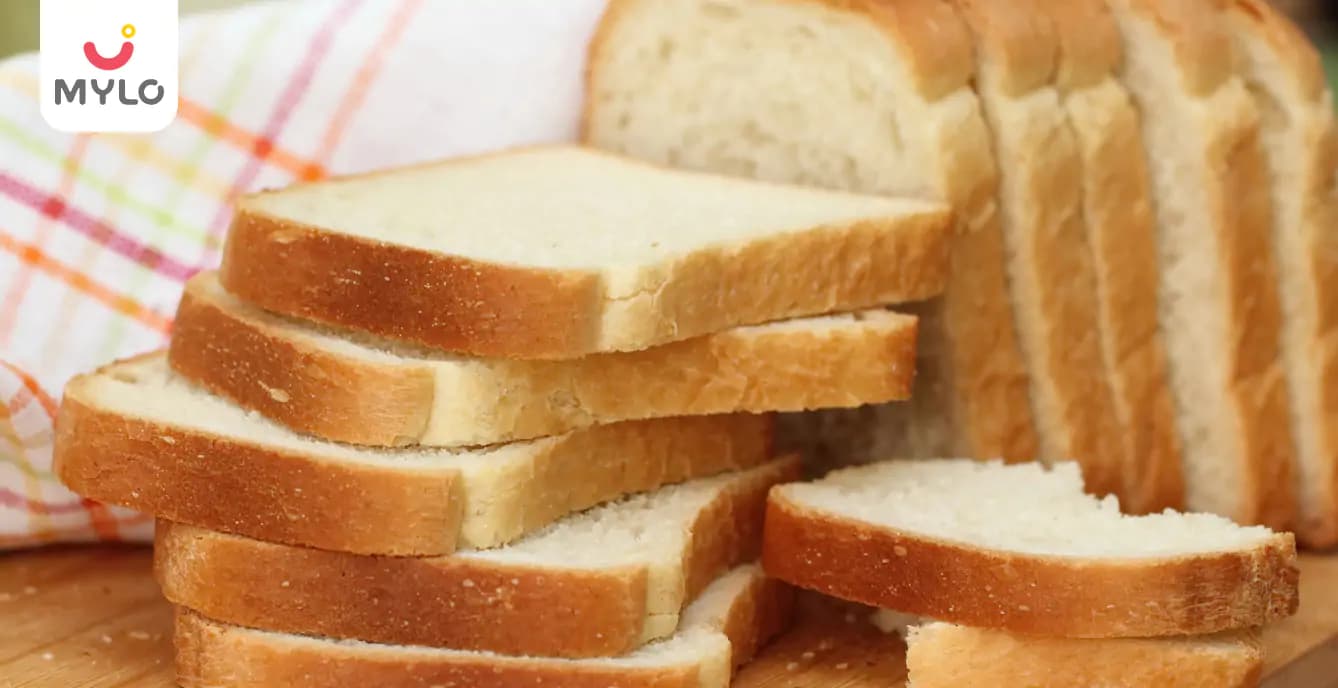
Bread can be healthy during pregnancy if you choose whole-wheat, multigrain, or sourdough variants - not refined white bread. 2 slices of whole-wheat bread provide 160 calories, 6g protein, 4g fibre, and 2mg iron. Avoid maida-based pav and buns daily, as they spike sugar and offer empty calories - a common issue in Indian city diets.
All-purpose flour (maida) makes the usual white bread that most people buy at the store. Most of the time, this has a significant portion of gluten. When pregnant, eating this bread all the time can worsen constipation, which is already a problem for pregnant women. All the gluten ends up settling in the stomach, making it feel full and swollen, making it hard for nutrients to be absorbed properly.
Brown bread, on the other hand, is made from flour made from wheat. Consuming brown bread in pregnancy is much better than white bread because it contains vitamins and proteins that white bread does not. These are important for strengthening and energizing pregnant women with the necessary energy and nutrients.
You may also like : Prunes During Pregnancy: Benefits & Risks
What is the nutritional value of bread during pregnancy?
One slice (30g) of whole-wheat bread contains around 80 calories, 3g protein, 1g fat, 14g carbs, 2g fibre, 1mg iron, 40mg calcium, and folate. Multigrain adds omega-3 from flax and pumpkin seeds. Fortified Indian brands now supply 15% of daily iron and folate per slice - useful for meeting pregnancy's extra 400mcg folate and 27mg iron demands.
Most loaves of bread contain more than one ingredient, but there are a few main ones that constitute bread:
1. Wheat germ
Bread made from whole wheat has much wheat germ. Wheat germ constitutes Vitamin E, omega-3 acids, folate, and other nutrients directly affecting how well the heart works.
2. Carbohydrates
Loaves of bread are carbohydrates. This vital nutrient is essential because pregnant women can get energy from it.
3. Protein
Most of the protein in wheat bread comes from wheat gluten. Gluten is a significant source of proteins, essential for the baby's healthy development in a pregnant woman's womb.
4. Fibre
Surprisingly, bread is known to be a healthy food that has a lot of bran and other dietary fibres. These affect the heart and keep it healthy and lower lipoprotein cholesterol, which is good for the mother and the baby.
You may also like : Makhana In Pregnancy: All You Need To Know
What are the benefits of eating bread during pregnancy?
Whole-grain bread offers 4 key benefits: complex carbs for steady energy through 9 hours of overnight fasting, fibre to tackle constipation faced by 40% of Indian pregnant women, B-vitamins including folate for foetal brain development, and iron to support haemoglobin. A 2-slice breakfast with peanut butter and banana delivers 15g protein - a quick, balanced start.
Bread's many healthy ingredients help provide many benefits for the expecting mother. Here are some of benefits of eating bread in pregnancy:
1. Prevention of gallstones
Bread has a lot of fibre and is easy to obtain. In addition, consuming whole wheat products, including cereals, improves the digestive tract and prevents gallstone formation.
2. Reduces the risk of asthma
If an expecting mother has breathing troubles or is at risk of asthma, eating whole wheat bread helps reduce asthma symptoms and respiratory discomfort.
3. Maintains good metabolism
Whole wheat bread provides vitamin B, niacin, riboflavin, and thiamine. All of these B-complex vitamins help regulate biological processes and metabolism.
4. Excellent source of vitamin C
Not all bread has vitamin C. Some ingredients of bread that constitute vitamins or ascorbic acid powder include vitamin C. Such bread is high in calcium and vitamin C. These boost the immune system and prevent deficits.
5. Contains adequate calcium
Calcium is essential for pregnancy and newborn growth. Whole wheat bread's calcium content is excellent for pregnant mothers.
6. Controls blood pressure
Anxiety and stress during pregnancy can raise the mother's and baby's blood pressure. Check for salt before buying bread. Bread's salt can raise blood pressure. Whole wheat bread helps control cholesterol and triglycerides.
7. Lowers cholesterol
Dietary fibre in whole-grain bread and brown bread during pregnancy is vital for heart health because it lowers blood cholesterol.
8. Aids digestion
Food fibres provide the roughage needed for a healthy digestive tract. Bread's fibres help regulate bowel motions and decrease constipation and diarrhea.
What are the side effects of eating bread during pregnancy?
Excess or refined bread can cause blood-sugar spikes (white bread has a 75+ GI), weight gain, bloating from gluten sensitivity, acid reflux, and constipation when fibre is low. Preservatives like potassium bromate (banned in India but still occasionally found) and high sodium (around 170mg per slice) may worsen water retention and third-trimester swelling in pregnant women.
Even though bread is suitable for pregnant women and has many health benefits, a few things could go wrong if a woman consumes bread in pregnancy.
- Consuming bread on a regular basis during pregnancy can worsen constipation, which is already a problem for pregnant women. This is due to the high gluten content found in all-purpose white bread.
- Consuming too much bread made from wheat can lead to elevated blood sugar levels due to amylopectin A content. As a result, women with gestational diabetes or who are at risk should avoid eating bread during pregnancy.
- For some women, gluten in bread can be a problem because their bodies can't process and digest a protein as complex as gluten. Women who have celiac disease and can't eat gluten shouldn't eat bread.
- Eating all purpose white bread may also lead to excessive weight gain during pregnancy, so it's best to avoid consuming bready regularly.
It is advised to cut back on consuming bread in pregnancy and replace it with other foods and to consume brown bread in pregnancy rather than white bread.
Conclusion
In conclusion, bread can be a healthy and nutritious addition to a pregnant woman's diet, providing essential nutrients such as fiber, iron, and folic acid. However, it is important to choose whole grain, fortified and brown bread in pregnancy to maximize these benefits. Overconsumption of refined bread may lead to weight gain and gestational diabetes, so moderation is key. Consult with a healthcare provider for personalized nutrition recommendations during pregnancy.
References
1. Amezcua-Prieto C, Martínez-Galiano JM, Cano-Ibáñez N, Olmedo-Requena R, Bueno-Cavanillas A, Delgado-Rodríguez M. (2019). Types of Carbohydrates Intake during Pregnancy and Frequency of a Small for Gestational Age Newborn: A Case-Control Study. Nutrients.
2. Mousa A, Naqash A, Lim S. (2019). Macronutrient and Micronutrient Intake during Pregnancy: An Overview of Recent Evidence. Nutrients.
Tags
Bread During Prengancy in Hindi, Bread During Prengancy in Tamil, Bread During Prengancy in Telugu, Bread During Pregnancy in Bengali
Is bread safe in first trimester?
Yes, bread is safe in all trimesters. Whole wheat bread is the best choice — more fibre, vitamins, and lower GI.
How much bread per day during pregnancy?
2-3 slices of whole wheat bread per day is safe as part of a balanced diet.
Can bread cause gestational diabetes?
White bread has high GI and can spike blood sugar. Whole wheat/multigrain bread is much better for GD management.
Which bread is best during pregnancy?
Whole wheat > multigrain > brown bread > white bread. Look for 'whole wheat flour' as first ingredient, not 'maida'.
Is store-bought bread safe during pregnancy?
Yes, but check for preservatives (calcium propionate is common and safe). Fresh bakery bread has fewer additives. Homemade is best.
Trusted by Mamas Eating Mindfully Through Pregnancy
Wholesome nutrition during pregnancy needs the right support - gentle prenatal essentials to keep you and baby healthy and energised.
Pregnancy Massage Oil + Coconut Oil - 200 ml each



Baby Wellness Kit | Skincare Gift Set for Newborns


Organic Aloe Vera (300 ml)
Nurtures Skin & Hair | Reduces Suntan | Soothes Burns | Enhances Hair Resilience



Article Posted Under
Related Articles
Related Topics
.webp&w=32&q=75)
Medical Disclaimer
This content is for informational purposes only and should not replace professional medical advice. Consult with a physician or other health care professional if you have any concerns or questions about your health. If you rely on the information provided here, you do so solely at your own risk.


AWARDS AND RECOGNITION

Mylo wins Forbes D2C Disruptor award

Mylo wins The Economic Times Promising Brands 2022
AS SEEN IN












- Mylo Care: Effective and science-backed personal care and wellness solutions for a joyful you.
- Mylo Baby: Science-backed, gentle and effective personal care & hygiene range for your little one.
- Mylo Community: Trusted and empathetic community of 10mn+ parents and experts.


Product Categories
Baby Carrier | Baby Soap | Baby Wipes | Stretch Marks Cream | Baby Cream | Baby Shampoo | Baby Massage Oil | Baby Hair Oil | Stretch Marks Oil | Baby Body Wash | Baby Powder | Baby Lotion | Diaper Rash Cream | Newborn Diapers | Teether | Baby Kajal | Baby Diapers Pants | Cloth Diapers | Laundry Detergent | Lactation Granules |