


Orders
.png&w=48&q=75 "login")
Profile


Wallet

Aspirin in Pregnancy: Can It Harm You or Your Baby?

 11 min
Quick answer
It depends on the dose. Low-dose aspirin (75 to 150mg, often called baby aspirin or sold in India as Ecosprin) is safe and is actively prescribed by doctors to prevent pre-eclampsia and to manage certain clotting conditions, ideally started before 16 weeks and continued until close to delivery. Full-dose aspirin used as a painkiller is different and is generally avoided in pregnancy, especially after 20 weeks. Never start or stop aspirin on your own. If your doctor has prescribed low-dose aspirin, keep taking it as directed.
Key takeaways
Low-dose and full-dose aspirin are not the same thing. Most safety fears you read about relate to full painkiller doses, not the low dose doctors prescribe in pregnancy.
Low-dose aspirin (75 to 150mg) is recommended for women at higher risk of pre-eclampsia. Guidelines advise starting it before 16 weeks and continuing until about 36 weeks or delivery.
The FDA's warning to avoid NSAIDs after 20 weeks does not apply to low-dose 81mg aspirin used for pregnancy conditions.
Full-dose aspirin as a painkiller is best avoided in pregnancy. For pain or fever, paracetamol is the preferred choice.
If you took a normal aspirin before you knew you were pregnant, try not to panic. A one-off dose is unlikely to cause harm. Tell your doctor.
Always take aspirin in pregnancy only on medical advice, and do not stop a prescribed dose without speaking to your doctor.
What is aspirin, and what is "baby aspirin" or Ecosprin?
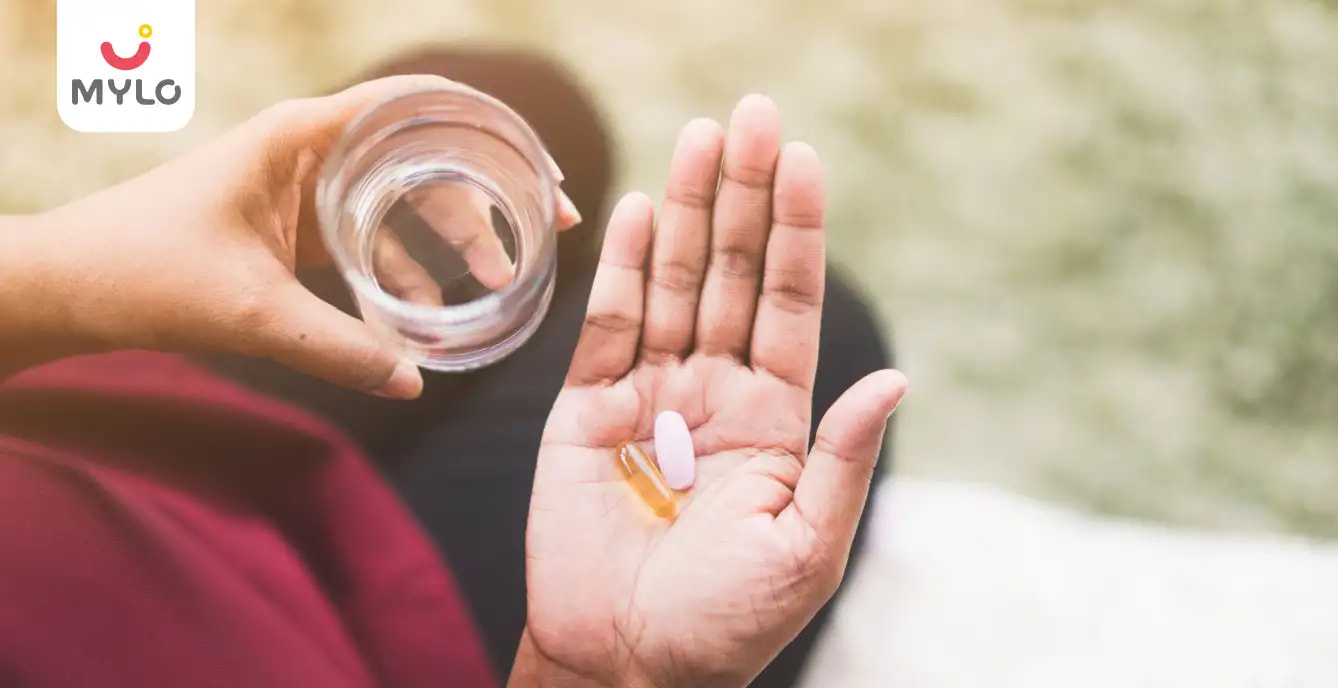
Aspirin (acetylsalicylic acid) is a medicine that relieves pain and fever and, at low doses, thins the blood slightly by making platelets less sticky. That blood-thinning effect is exactly why a small daily dose is useful in some pregnancies.
In India, low-dose aspirin is most commonly sold under the brand Ecosprin, usually as a 75mg tablet. Internationally it is often called baby aspirin (75 to 81mg). This is completely different from the 300 to 500mg tablets people take for a headache or fever. Throughout this article, "low-dose" means roughly 75 to 150mg a day, and "full-dose" means the larger painkiller doses.
The key difference: low-dose versus full-dose aspirin
This single distinction clears up most of the confusion and fear around aspirin in pregnancy.
Low-dose aspirin (75 to 150mg) | Full-dose aspirin (300mg and above) | |
|---|---|---|
Also known as | Baby aspirin, Ecosprin 75 | Regular or adult-dose aspirin |
Purpose in pregnancy | Prevent pre-eclampsia, manage clotting disorders | Pain and fever relief (not recommended) |
Prescribed by a doctor? | Yes, deliberately | No, generally avoided |
Safety in pregnancy | Considered safe, benefits proven | Best avoided, especially after 20 weeks |
FDA 20-week NSAID warning | Does not apply | Applies |
If you remember only one thing: the scary risks attached to "aspirin in pregnancy" almost always describe full painkiller doses, not the low dose your doctor may prescribe.
Why do doctors prescribe low-dose aspirin in pregnancy?
To prevent pre-eclampsia
This is the main reason. Pre-eclampsia is a serious condition of high blood pressure and organ stress that can endanger mother and baby. Strong evidence shows that low-dose aspirin lowers the risk in women who are at higher risk. ACOG recommends 81mg daily, started between 12 and 28 weeks, ideally before 16 weeks, and continued until delivery. A review of 45 trials in over 20,000 women found the benefit is greatest when aspirin is started before 16 weeks.
You may be offered low-dose aspirin if you have one or more risk factors, such as:
A previous pregnancy with pre-eclampsia
Chronic (long-standing) high blood pressure
Kidney disease or an autoimmune condition such as lupus
Type 1 or type 2 diabetes
A first pregnancy, carrying twins or more, a BMI over 30, being over 40, or a family history of pre-eclampsia (when combined, moderate risk factors may also prompt aspirin)
To reduce clotting and miscarriage risk in Hughes' syndrome (APS)
Hughes' syndrome, also called antiphospholipid syndrome (APS), is a condition where the blood clots too easily and which can cause recurrent miscarriage. Here a doctor may prescribe low-dose aspirin, often together with heparin injections, to reduce clot formation and lower the risk of pregnancy loss.
To support babies at risk of poor growth
In some higher-risk pregnancies, low-dose aspirin is also used to reduce the risk of fetal growth restriction, as part of the same pre-eclampsia prevention strategy.
Is low-dose aspirin safe for the baby?
Yes, when prescribed. Daily low-dose aspirin is associated with a low likelihood of serious problems for mother or baby, which is precisely why guidelines recommend it for high-risk women. Crucially, the FDA has stated that its warning about avoiding NSAIDs after 20 weeks does not apply to low-dose 81mg aspirin prescribed for pregnancy conditions. So if your obstetrician has told you to take a 75mg tablet daily, that advice reflects the current evidence and is protecting you and your baby.
The most important safety rule with low-dose aspirin is simply this: take it exactly as prescribed, and do not stop it suddenly without checking with your doctor, as stopping may remove its protective effect.
When is aspirin NOT safe in pregnancy?
The concerns below apply mainly to full-dose (painkiller) aspirin, and to NSAIDs in general, not to prescribed low-dose aspirin.
Timing | Risk with full-dose aspirin / NSAIDs |
|---|---|
First trimester | Regular high-dose use may slightly raise the risk of miscarriage. Occasional low-dose use is not known to be harmful. |
From 20 weeks | Can affect the baby's kidneys and reduce amniotic fluid (oligohydramnios). This is the basis of the FDA warning. |
From 30 weeks (third trimester) | Can cause the ductus arteriosus (a blood vessel in the baby's heart) to close too early, which can lead to heart and lung problems. |
Any time, high dose and long term | Can increase bleeding risk for mother and baby, including, rarely, bleeding in a premature baby's brain, and may affect the placenta. |
For these reasons, full-dose aspirin should not be used as a painkiller in pregnancy unless a specialist specifically directs it. For everyday pain, fever or headache, paracetamol is the recommended and safer choice at the lowest effective dose.
What if I took aspirin before I knew I was pregnant?
Try not to worry. A single normal dose, or occasional use in early pregnancy before you realised you were pregnant, is unlikely to have caused harm. The risks above relate to regular, higher-dose use over time. The sensible step is to stop taking full-dose aspirin now and tell your doctor at your next visit, so they can advise you and, if appropriate, discuss whether you need low-dose aspirin for any risk factors.
How is low-dose aspirin taken in pregnancy?
If your doctor prescribes it, typical guidance is:
Dose: usually 75 to 150mg once a day (in India, commonly Ecosprin 75mg). Follow your doctor's exact instruction.
When to start: ideally before 16 weeks of pregnancy, as this is when it works best for preventing pre-eclampsia. It may still be started up to 28 weeks in some cases.
Time of day: many doctors advise taking it at night, which some evidence suggests may work better, and with or after food to protect the stomach.
How long: usually continued until about 36 weeks, or as your doctor advises, sometimes right up to delivery.
Do not double up: avoid taking additional aspirin-containing painkillers on top of your prescribed dose.
Never adjust the dose or stop early on your own. If you have side effects, call your doctor first.
Safe alternatives for pain and fever in pregnancy
If you need relief from a headache, fever or general aches, paracetamol (acetaminophen) is the preferred option in pregnancy, at the lowest effective dose for the shortest time. Avoid aspirin and other NSAIDs such as ibuprofen for pain in pregnancy, particularly from 20 weeks onwards, unless a doctor specifically advises otherwise. Always check with your doctor or pharmacist before taking any medicine while pregnant.
When should you call your doctor?
Contact your doctor promptly if, while taking any aspirin in pregnancy, you notice:
Unusual bruising, nosebleeds, or bleeding that does not stop easily
Blood in your urine or stools, or black, tarry stools
Vomiting blood or material that looks like coffee grounds
Severe stomach pain or persistent heartburn
Signs of an allergic reaction, such as rash, swelling or wheezing
Any vaginal bleeding, severe headache, vision changes or sudden swelling (these need urgent review regardless of aspirin)
Also speak to your doctor before your due date about whether and when to stop low-dose aspirin, so there is a clear plan for labour and delivery.
Mylo Parents Asked
Is Ecosprin 75 safe in pregnancy?
Yes, when prescribed. Ecosprin 75 is low-dose aspirin, the same medicine doctors use to help prevent pre-eclampsia and manage certain clotting conditions. Take it exactly as your doctor directs and do not stop without asking them.
Can I take a normal aspirin for a headache while pregnant?
It is best not to. Full-dose aspirin as a painkiller is generally avoided in pregnancy, especially after 20 weeks. Use paracetamol instead, and check with your doctor if pain or fever persists.
Why does my doctor want me to start aspirin before 16 weeks?
Because low-dose aspirin prevents pre-eclampsia most effectively when started early, before 16 weeks. Starting later may still help in some cases but tends to work less well, which is why timing matters.
Does low-dose aspirin cause miscarriage?
No. Low-dose aspirin is prescribed in some situations, such as antiphospholipid syndrome, specifically to reduce the risk of miscarriage. The miscarriage concern relates to regular high-dose aspirin, not the prescribed low dose.
When should I stop taking low-dose aspirin in pregnancy?
Usually around 36 weeks, or as your doctor advises, and sometimes closer to delivery. Do not stop earlier on your own, and confirm the exact plan with your obstetrician.
Is low-dose aspirin the same as blood thinner injections?
No. Low-dose aspirin makes platelets less sticky, while heparin injections work differently. In conditions like APS, doctors sometimes use both together. Your doctor will decide what you need.
The bottom line
The word "aspirin" covers two very different things in pregnancy. Low-dose aspirin, the 75 to 150mg baby aspirin or Ecosprin your doctor may prescribe, is safe and genuinely protective, lowering the risk of pre-eclampsia and helping in certain clotting conditions, especially when started before 16 weeks. Full-dose aspirin taken as a painkiller is the version to avoid, particularly after 20 weeks, with paracetamol as the safer alternative. The golden rule is simple: take low-dose aspirin only if your doctor prescribes it, take it exactly as directed, and never start or stop full-dose or low-dose aspirin on your own without medical advice.
References
American College of Obstetricians and Gynecologists (ACOG). Low-dose aspirin use for the prevention of preeclampsia (Practice Advisory, 2021).
ACOG. Low-dose aspirin use during pregnancy (Committee Opinion).
US Food and Drug Administration. Avoid use of NSAIDs in pregnancy at 20 weeks or later (Drug Safety Communication).
Preeclampsia Foundation. Ask about aspirin.
Related reads on Mylo
This article is for information only and does not replace personalised advice from your doctor. Do not start, stop or change any medicine in pregnancy without medical guidance.
Article Posted Under
Related Articles




Related Topics
.webp&w=32&q=75)
Medical Disclaimer
This content is for informational purposes only and should not replace professional medical advice. Consult with a physician or other health care professional if you have any concerns or questions about your health. If you rely on the information provided here, you do so solely at your own risk.


AWARDS AND RECOGNITION

Mylo wins Forbes D2C Disruptor award

Mylo wins The Economic Times Promising Brands 2022
AS SEEN IN












- Mylo Care: Effective and science-backed personal care and wellness solutions for a joyful you.
- Mylo Baby: Science-backed, gentle and effective personal care & hygiene range for your little one.
- Mylo Community: Trusted and empathetic community of 10mn+ parents and experts.


Product Categories
Baby Carrier | Baby Soap | Baby Wipes | Stretch Marks Cream | Baby Cream | Baby Shampoo | Baby Massage Oil | Baby Hair Oil | Stretch Marks Oil | Baby Body Wash | Baby Powder | Baby Lotion | Diaper Rash Cream | Newborn Diapers | Teether | Baby Kajal | Baby Diapers Pants | Cloth Diapers | Laundry Detergent | Lactation Granules |