


Orders
.png&w=48&q=75 "login")
Profile


Wallet

Anencephaly: Causes, Symptoms, Risk & Treatment
 1 Likes|
 5 min
5 minIn every pregnancy, there is a chance of congenital disabilities. One of the most serious and rarest forms of congenital disability is Anencephaly. This disorder affects the development of the brain and the skull and is usually fatal. Babies born with this disability often die shortly after birth. A combination of genetic and environmental factors also causes the condition.
Anencephaly is surprisingly a quite rare condition. Awareness of the causes and risk factors is essential to preventing this disorder. Here, we will explain Anencephaly meaning, its causes, and symptoms, along with risk factors and treatments.
What is Anencephaly?
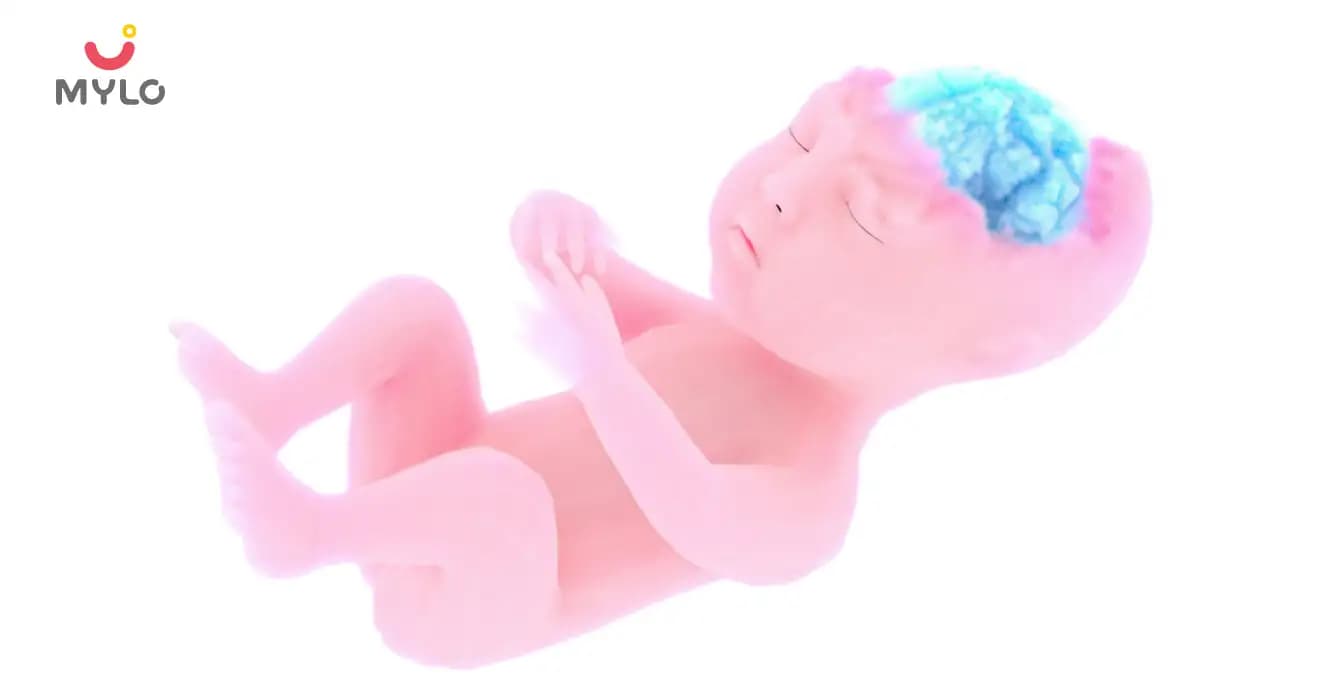
Anencephaly, also known as "open skull," is a developmental disorder of the neural tube that causes serious alterations in the growth of the fetus.
In Anencephaly, the brain and skull do not develop as expected. The neural tube fails to close completely, resulting in an absent or incomplete brain, skull bones, and scalp.
How common is Anencephaly?
This rare disorder occurs in only one out of every 5,000 to 10,000 births. It is more common among newborn baby girls than boys.
Anencephaly is a serious congenital disability. In most cases, it can be detected before delivery using prenatal tests.
Mothers aged 26-30 years and older are more likely to give birth to babies with the disorder.
Symptoms of Anencephaly
The symptoms of Anencephaly can vary from one baby to another. They may include:
-
Absent or incomplete brain development
-
Missing cranial bones
-
Incomplete scalp and skull formation
-
Small head circumference
-
Brain matter is exposed at the top of the head
-
No development of the frontal lobe
-
The cerebellum may be absent or underdeveloped
-
Subnormal reflexes and movements
-
Missing or deformed facial features
-
Absence of skull bones
Diagnosis & test anencephaly
Anencephaly can be diagnosed before the baby is born through prenatal tests. Ultrasound and amniocentesis are two common tests used to diagnose babies with Anencephaly.
Ultrasound is a non-invasive test that uses sound waves to create images of the baby in the womb. It can help to detect missing or deformed skull bones, an absence of brain tissue, and other anomalies.
A small sample of the amniotic fluid around the baby is collected and tested in amniocentesis. This test can detect the presence of a specific enzyme released by anencephalic babies.
Treatment for Anencephaly
Till now, there has been no known Anencephaly treatment available. Babies born with this condition usually die within a few hours or days after birth. However, supportive care can make the baby more comfortable for some time.
Sometimes, a baby born with Anencephaly may be kept alive on life support. This allows family members to spend time with the baby and say their goodbyes.
Who is at risk for Anencephaly?
Anyone can have a baby with Anencephaly, but certain risk factors increase the chances.
Below are the possible Anencephaly causes & risk factors:
-
Inherited genetic factors
-
Sometimes, Anencephaly can be inherited. It can be a genetic mutation of parents that affects the development of the baby.
-
Folic acid deficiency
-
Inadequate levels of folic acid (vitamin B9) in the body during pregnancy can increase the risk of Anencephaly.
-
Medication use
-
Certain medications, such as valproic acid, can increase the risk of this disability.
-
Maternal diabetes
-
Pregnant women with diabetes are at a higher risk of having a baby with this disability.
-
Maternal infection
-
Infections such as rubella during pregnancy can increase the risk of Anencephaly.
-
Exposure to environmental toxins
-
Exposure to hazardous materials such as radiation, alcohol, or drugs can increase the risk of this disability.
Prevention for Anencephaly
As there is no known treatment for Anencephaly, it is important to focus on prevention.
Here are a few steps that can help reduce the risk:
-
Take folic acid supplements before and during pregnancy
-
Folic acid can reduce the risk of neural tube defects. Speak to the doctor about the recommended dosage and when to begin taking folic acid.
-
Avoid drugs, alcohol, and smoking while pregnant.
-
These have all been linked to a higher risk of Anencephaly and other birth defects.
-
Maintain a healthy diet before, during, and after pregnancy
-
Eating a balanced diet with the recommended intake of vitamins and minerals can help reduce the risk of Anencephaly.
-
Avoid any hot, steamy environments.
-
High temperatures can increase the risk of Anencephaly and other neural tube defects. So, avoid any hot, steamy environments, such as hot tubs, saunas, or steam rooms.
-
Weight and health management
-
Health management and maintaining a healthy weight before and during pregnancy can help reduce the risk.
FAQs
1. Does stress cause anencephaly?
No scientific evidence suggests stress can increase the risk of Anencephaly in a fetus. One should reduce stress levels as much as possible during pregnancy. Stress can affect overall health, which can cause complications with pregnancy and delivery.
2. Can a child survive Anencephaly?
No, it is a fatal condition and babies with this condition do not survive long after birth.
Article Posted Under
Related Articles
Punjabi Baby Boy Names: The Complete Guide With Meanings (ਪੰਜਾਬੀ ਮੁੰਡਿਆਂ ਦੇ ਨਾਮ)
 8 min
8 min Malayalam Baby Names: The Complete Guide With Meanings (മലയാളം കുഞ്ഞുങ്ങളുടെ പേരുകൾ)
 10 min
 Marathi Baby Names: The Complete Guide With Meanings (मराठी बाळांची नावे)
 9 min
9 min Baby Names Starting With A for Boys & Girls: Meanings, Religion, Rashi & Nakshatra
 8 min
8 min
Related Topics
.webp&w=32&q=75)
Medical Disclaimer
This content is for informational purposes only and should not replace professional medical advice. Consult with a physician or other health care professional if you have any concerns or questions about your health. If you rely on the information provided here, you do so solely at your own risk.


AWARDS AND RECOGNITION

Mylo wins Forbes D2C Disruptor award

Mylo wins The Economic Times Promising Brands 2022
AS SEEN IN












- Mylo Care: Effective and science-backed personal care and wellness solutions for a joyful you.
- Mylo Baby: Science-backed, gentle and effective personal care & hygiene range for your little one.
- Mylo Community: Trusted and empathetic community of 10mn+ parents and experts.


Product Categories
Baby Carrier | Baby Soap | Baby Wipes | Stretch Marks Cream | Baby Cream | Baby Shampoo | Baby Massage Oil | Baby Hair Oil | Stretch Marks Oil | Baby Body Wash | Baby Powder | Baby Lotion | Diaper Rash Cream | Newborn Diapers | Teether | Baby Kajal | Baby Diapers Pants | Cloth Diapers | Laundry Detergent | Lactation Granules |